
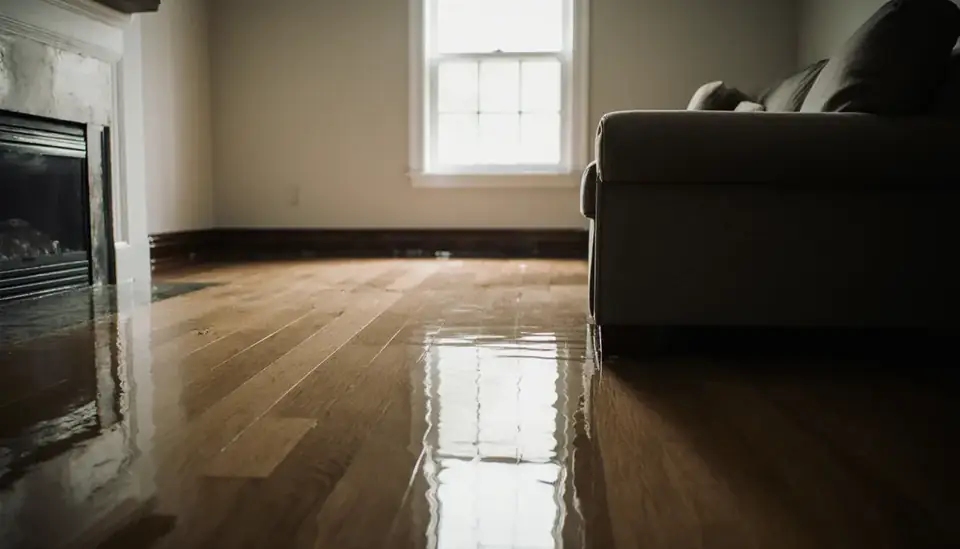
At about 1,014 feet, Clay sits higher than most of its Jefferson County neighbors, spread across 11 square miles of the county's northeast corner. Its population roughly doubled between 2000, when it incorporated as a city, and 2010, and it reached about 10,300 at the 2020 census. A lot of that growth came as subdivisions, and those newer houses, along with the high ground they sit on, shape the kind of water damage Clay residents typically face: less creek flooding, more roofs, attics, appliances and plumbing.
Calling (888) 317-9980 costs nothing, and the line is answered 24/7. We'll put you in touch with an independent restoration provider serving Clay and northeast Jefferson County. That provider, not The Restoration Job, does the work and sets the price.
How the call works: when you call (888) 317-9980, The Restoration Job connects you with an independent restoration provider that serves Clay. That provider inspects the damage, explains the scope and quotes the work. The Restoration Job doesn't perform restoration itself. Read our referral disclosure.
January 2012: When the Subdivisions Took the Hit
The EF3 tornado that tore through the area before dawn on January 23, 2012, damaged or destroyed 231 homes and businesses as it passed through several subdivisions in Clay and neighboring Center Point. The National Weather Service estimated peak winds at 150 mph along a path more than 15 miles long. Some houses were flattened; many more were left with missing shingles, broken windows and punctured roofs.
For homes on the edge of a storm path, rain is the slower threat. Water enters through small openings and soaks attic insulation, then ceiling drywall, often for days before it's visible. If a severe storm has passed nearby, check the attic and upper-floor ceilings even if the house looks undamaged from the street. Storm damage cleanup providers can tarp and dry before small leaks turn into ceiling collapses.
Leaks Typical of Newer Clay Homes
Houses built in the 1990s and 2000s fail in predictable ways, and many of the water calls in a growing suburb like this one involve equipment rather than weather:
- Clogged HVAC condensate lines in the attic overflowing the drain pan, especially during humid summers
- Water heaters reaching the end of a typical lifespan, sometimes located in an attic or upstairs closet
- Burst or loosened washing machine hoses and ice-maker lines
- PEX or CPVC fittings that loosen at connections
- Shower pans and tub surrounds leaking into the ceiling below
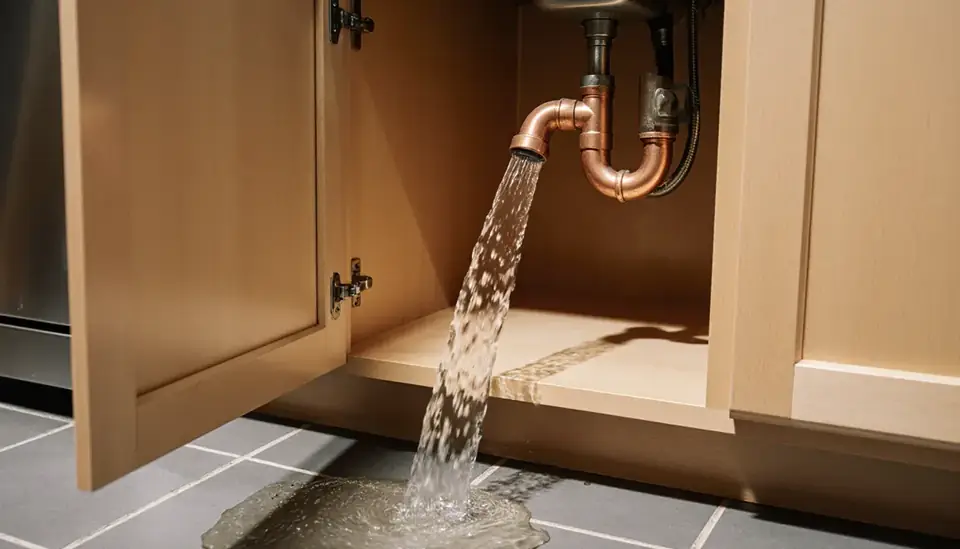
An overflow from an attic unit or upstairs water heater travels down, wetting ceiling drywall, wall cavities and flooring on the way. Installing a float switch on the condensate pan and a pan with a drain under the water heater are inexpensive ways to limit that.

What Water Damage Repair Looks Like Room by Room
In a two-story house, a provider usually works from the top down. Wet ceiling drywall is checked for sagging and either dried or cut out, insulation above it is removed if soaked, and walls are opened at the bottom if water ran inside them. Carpet can sometimes be dried and re-laid if the source was clean and the pad is replaced; laminate and engineered wood often swell and need replacement.
After drying is confirmed with moisture readings, water damage repair restores drywall, paint, trim and flooring. Ask for an itemized scope so you can compare it against what your insurance adjuster approves.
Mold in Attics and Upper Floors
Central Alabama's humidity, averaging roughly 66 to 75 percent across the months, keeps attics warm and damp through summer. A slowly dripping condensate line or a roof leak that wets insulation can grow mold on roof decking and ceiling drywall within days. Early signs are a musty smell in upstairs rooms, small dark spots on the ceiling around vents, or warped decking visible from the attic hatch. Addressing the leak and drying the space quickly usually keeps the job small.
Checking Flood Risk on Higher Ground
Being on high ground lowers the odds of river or creek flooding, but it doesn't eliminate surface water. Lots at the bottom of a slope, or houses where the driveway runs down toward the garage, can still take in runoff during a heavy storm. Searching your address on the FEMA Flood Map Service Center shows whether any mapped flood zone touches your property. Standard homeowners insurance usually won't cover water rising from outside, so the answer helps you decide whether a separate policy makes sense.
Neighborhoods and Nearby Communities
The same line also serves nearby communities such as:
- Center Point
- Pinson
- Trussville
- Grayson Valley
- Birmingham
- Tarrant
Clay Water Damage Questions
My attic AC unit overflowed into the ceiling. Is that covered by insurance?
Sudden overflow from a failed condensate line or pan is often covered under a homeowners policy, while damage from a slow leak over a long period may not be. Coverage depends on your policy. Shut off the unit, photograph the ceiling and attic, and call your insurer. A restoration provider can dry the area and document moisture readings for the claim.
Clay is on high ground. Do I need flood insurance?
It isn't required unless you have a federally backed mortgage on a property in a mapped high-risk zone. Many Clay homes are outside those zones, but Alabama's ADECA notes about a quarter of flood claims come from lower-risk areas, often from heavy rain and runoff. Policies generally take 30 days to start, so decide well before storm season.
How can I find someone to dry out my Clay home tonight?
Call (888) 317-9980. The line is free and staffed 24/7, and we'll connect you with an independent restoration company serving Clay. Many providers in the Birmingham area offer emergency service, though availability varies after big storms. Meanwhile, shut off the water source, move belongings out of wet rooms and take photos.