
Homewood sits just over Red Mountain from downtown Birmingham, in the valley where Shades Creek runs toward the Cahaba River. The city was incorporated in 1926 and grew by absorbing nearby developments, including the former town of Hollywood, which a developer once marketed with the slogan "Out of the Smoke Zone, Into the Ozone." That history left Homewood with a mix of 1920s houses, mid-century homes, Samford University's campus and a busy commercial core, all draining toward one creek.
The Restoration Job's free phone line is answered 24/7. Call (888) 317-9980 and we'll connect you with an independent restoration provider that serves Homewood for burst pipes, creek flooding, roof leaks and the drying and mold work that follows. We are a referral service; the provider you speak with performs the work.
How the call works: when you call (888) 317-9980, The Restoration Job connects you with an independent restoration provider that serves Homewood. That provider inspects the damage, explains the scope and quotes the work. The Restoration Job doesn't perform restoration itself. Read our referral disclosure.
Shades Creek Runs Through the Middle of Town
Shades Creek starts at Sadler Gap on Red Mountain and travels about 56 miles to the Cahaba, passing through Birmingham, Irondale, Mountain Brook, Homewood, Hoover and Bessemer. Its watershed is heavily built up, and roofs, parking lots and streets send rain into the channel quickly. Watershed groups have pointed to erosion, sedimentation and poor flood management as long-running problems along the creek. A century ago it was even dammed near Green Springs Highway to create Edgewood Lake, which was drained in 1946.
When the creek overtops its banks, the water that reaches buildings is surface water mixed with street runoff, so it should be treated as contaminated. Properties in the Special Flood Hazard Area can be checked on the floodplain map the city links through Jefferson County, or on FEMA's map service.
Homewood's Floodplain Rules and Insurance Discount
The city takes floodplain building seriously. Any development in a Special Flood Hazard Area requires a Floodplain Development Permit under the ordinance adopted in 2024, and that can include substantial repairs after a flood. Homewood also improved from Class 9 to Class 7 in the National Flood Insurance Program's Community Rating System, which can mean up to a 15 percent discount on flood insurance premiums for eligible policies.
Before rebuilding a flood-damaged home near the creek, call the city's Engineering and Zoning office to ask whether a permit applies. Restoration work such as extraction, demolition of wet materials and drying generally comes first; the permit question matters most when repairs begin.
Older Hollywood and Rosedale Homes: Crawl Spaces and Plaster
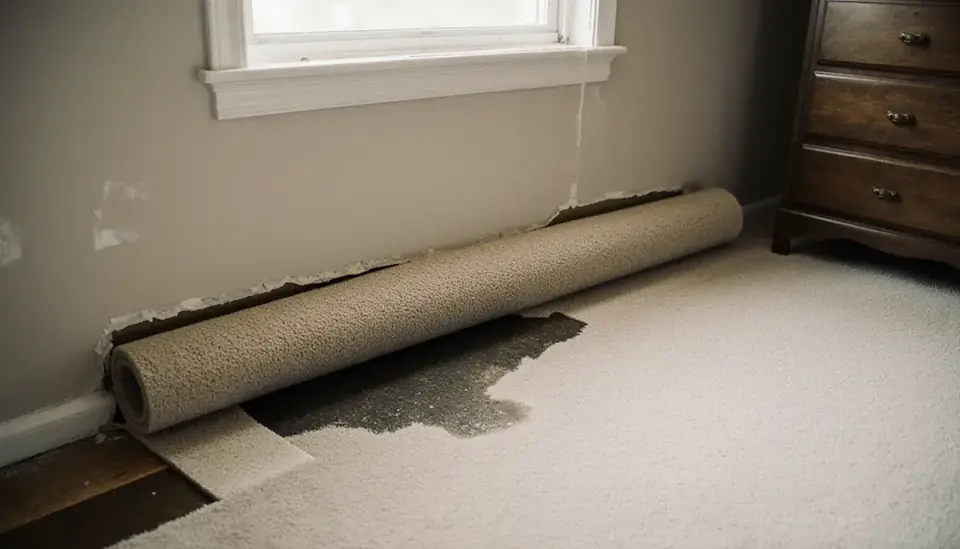
The Hollywood Historic District, listed on the National Register in 2002, covers 815 acres and more than 400 contributing buildings, many in Spanish Colonial Revival and English Tudor styles. Homes of that era and the decades after often have raised floors over crawl spaces, plaster walls and original plumbing that has been patched over the years. Water problems common in these houses include:
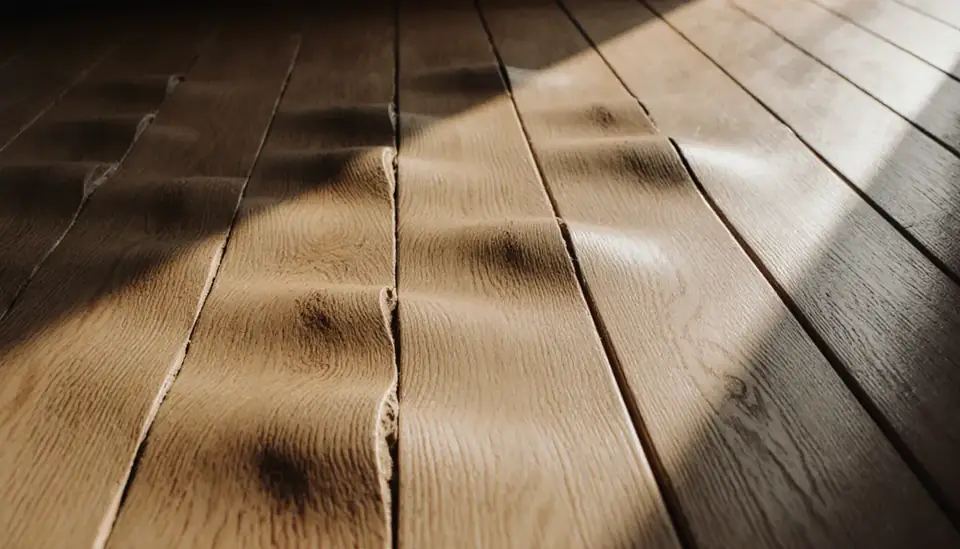
- Moisture trapped in crawl spaces after heavy rain, swelling hardwood floors above
- Old galvanized or cast-iron lines that leak inside walls
- Flat or low-slope roof sections on Spanish-style homes that pond water
- Wet insulation under the floor that holds moisture against joists
Plaster hides water well, so a moisture meter is the reliable way to tell how far a leak has traveled. Careful water extraction and crawl-space drying can save original hardwood that might otherwise cup and buckle.
Keeping Mold Out of a Damp Crawl Space
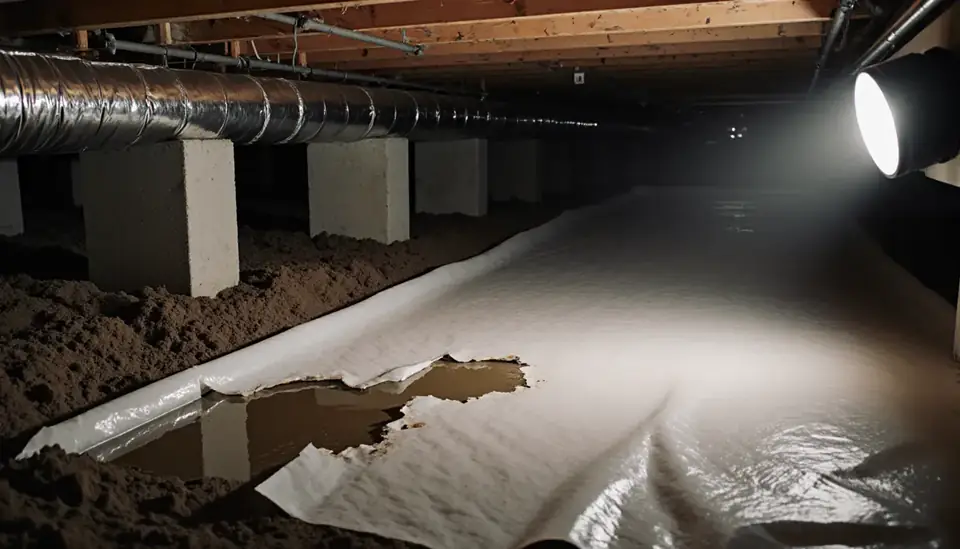
Crawl spaces in central Alabama rarely dry on their own after a flood or leak, especially in summer when outdoor air is warm and humid. Wood joists, sill plates and the paper facing on insulation are what mold feeds on. Once standing water is removed, the usual approach is to pull wet insulation, dry the soil and framing with dehumidifiers, and replace or repair the vapor barrier. If growth is already visible on joists, mold remediation can clean or treat the framing before new insulation goes back in.
First Hours After a Leak or Creek Flood
Shut off the water main if a pipe burst, and turn off power to any room where water is near outlets. Photograph the damage, including the source and the waterline. Move furniture off wet floors and put foil or blocks under legs. Report clogged storm drains or drainage problems to the city through its stormwater program. For warnings, Jefferson County EMA offers notifications, and the Alabama service area page covers statewide flood insurance basics.
Homewood Neighborhoods and Surrounding Towns
Calls come in from across Homewood, including:
- Hollywood
- Rosedale
- Downtown Homewood
The same line also serves nearby communities such as:
Questions From Homewood Property Owners
Do I need a permit to repair my Homewood home after a flood?
If the property is in a Special Flood Hazard Area, the city requires a Floodplain Development Permit for development, and substantial repair or rebuilding can fall under that. Emergency steps like removing water and wet materials typically come first. Before starting major repairs, contact the city's Engineering and Zoning office to confirm what applies to your address.
Does Homewood's Community Rating System class lower my flood insurance?
It can. The city moved from Class 9 to Class 7 in the National Flood Insurance Program's Community Rating System, which can bring a discount of up to 15 percent on premiums for eligible policies. Ask your insurance agent whether your policy reflects it, particularly if your home is in a mapped flood zone near Shades Creek.
My hardwood floors are cupping after a leak. Can they be saved?
Often, if drying starts quickly. Cupping happens when the underside of the boards is wetter than the top, which is common when moisture comes up from a crawl space. Drying the crawl space and the floor system together, with moisture readings taken over several days, gives the boards a chance to flatten. Sanding or replacing too early can lock in damage.