

McCalla only became a census-designated place in 2020, and it still reads more like a string of rural roads than a suburb. More than half of its roughly 13,000 residents live in areas the Census Bureau classifies as rural, spread across about 34 square miles that cross from Jefferson County into Tuscaloosa County southwest of Bessemer. This is where the Appalachian ridges finally run out, and the wooded hollows around Tannehill Ironworks show it.
That setting shapes what goes wrong when water gets inside. Homes sit on larger, tree-heavy lots, help can be a longer drive away, and there is no city hall to call because McCalla is unincorporated. The Restoration Job runs a free phone line answered 24/7: call (888) 317-9980 and we will connect you with an independent restoration provider that covers this side of the county. We are a referral service; the cleanup itself is done by third-party companies.
How the call works: when you call (888) 317-9980, The Restoration Job connects you with an independent restoration provider that serves McCalla. That provider inspects the damage, explains the scope and quotes the work. The Restoration Job doesn't perform restoration itself. Read our referral disclosure.
Dixie Alley Storms Over Wooded Lots Southwest of Bessemer
Central Alabama sits in what forecasters call Dixie Alley, an area with a high rate of tornadoes and strong spring and fall squall lines. In a place like McCalla, the most common damage from those storms is not the funnel itself but the trees around the house. A pine or oak that comes down across a roof opens a hole that rain keeps pouring through for hours, often overnight, before anyone can get a tarp on it.
Wind-driven rain also finds its way under lifted shingles, around chimney flashing and through soffit vents. The water then soaks attic insulation and runs along ceiling joists, so the stain inside may show up a room or two away from the actual entry point. A provider handling storm damage cleanup will usually dry in the roof first, then pull wet insulation and open ceilings where water pooled.
Living Unincorporated: Who to Call in McCalla
Because McCalla has no municipal government, county agencies fill that role. The Jefferson County Emergency Management Agency handles alerts and preparedness on the Jefferson side, while the portion of McCalla that reaches into Tuscaloosa County falls under that county. Knowing which county your address is in saves time when you need a building permit for repairs or want to check flood map status.
- Confirm your county and parcel before calling about permits or debris rules.
- Look up your address on the FEMA Flood Map Service Center; standard homeowners policies do not cover rising floodwater.
- If a fallen tree also took down a power line, report it to the utility before anyone works near the roof.
- Photograph every wet room and damaged item before cleanup starts, since adjusters may not arrive quickly in rural areas.
Crawl Spaces, Wells and Septic: Rural Water Problems
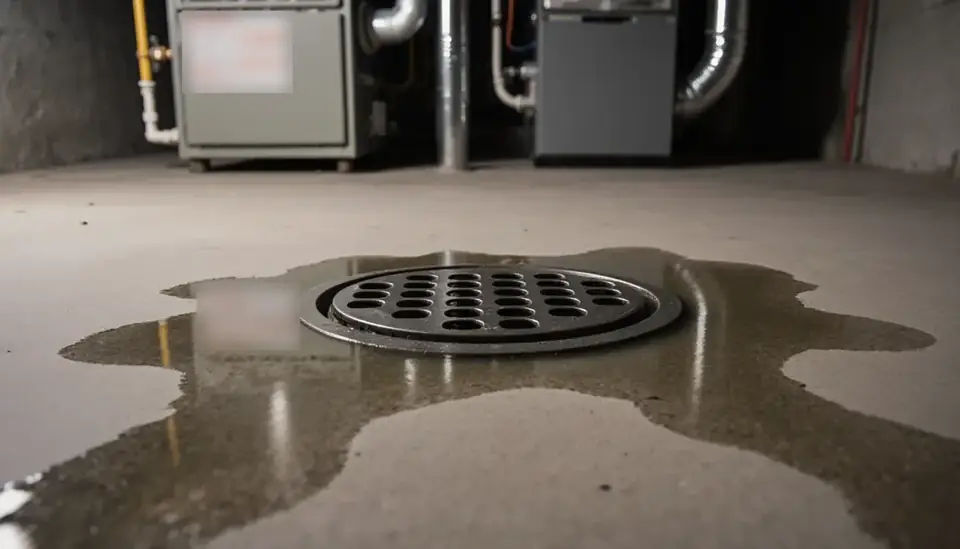
Plenty of homes in western Jefferson County are not tied into the same infrastructure as the dense suburbs closer to Birmingham. If your property relies on a well pump, a pressure tank or a septic system, those components add their own failure points. A pressure tank fitting can leak slowly into a utility room for weeks, and a septic system that backs up during prolonged rain pushes contaminated water into the lowest drains in the house.
Wastewater backups should be treated as a category of their own. Porous materials it touched, such as carpet pad and the bottom of drywall, generally need to be removed rather than dried in place. A provider offering sewage cleanup will disinfect hard surfaces and dry the structure afterward. For houses built over a crawl space, check underneath after any plumbing leak, because standing water there can go unnoticed until floors start to cup.
Humidity, Shade and Slow-Drying Wooded Lots
The Birmingham area averages about 56 inches of precipitation a year, and average relative humidity peaks near 75 percent in August. Shaded, wooded lots and low hollows dry out slowly, which gives mold more time to establish itself after a leak. Wet drywall or subfloor left for a couple of days in summer heat is often where problems begin.
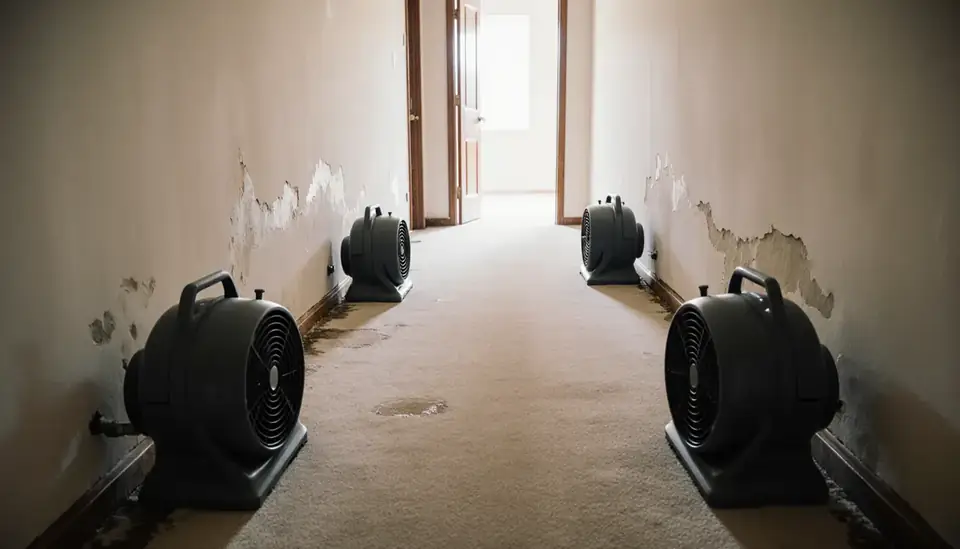
Moving air and pulling moisture out quickly is what prevents that. Restoration crews typically set dehumidifiers and air movers and take moisture readings daily until materials return to normal levels. If you already notice a musty smell or visible growth, ask the provider about mold remediation so the affected materials are contained and removed rather than just wiped.
What a Restoration Visit Out Here Usually Involves
Expect the first visit to start with a walk-through and moisture mapping, followed by water extraction if anything is still standing. Because travel distances are longer than in town, it helps to have a few things ready: the location of the main water shutoff, access to the crawl space or attic, and your insurance details. Mention whether the home is on a well or septic system, and whether trees or debris are still on the roof. Providers serving McCalla often offer emergency service, but schedules vary, so ask about timing when you are connected.
Drying a typical room usually takes several days with equipment running. Repairs such as replacing drywall, trim or flooring come after the structure tests dry.
Areas In and Around McCalla
The same line also serves nearby communities such as:
Frequently Asked Questions
McCalla is unincorporated. Who handles permits after water damage?
Permits and inspections for unincorporated areas go through the county rather than a city. Most of McCalla is in Jefferson County, but part of the CDP extends into Tuscaloosa County, so check your parcel record first. Your restoration provider or contractor can usually tell you which repairs need a permit, but verifying your county avoids delays once reconstruction starts.
A storm dropped a pine across my McCalla roof. What comes first?
Get everyone out of rooms under the damaged area and stay clear of any downed lines. Once it is safe, the priority is removing the tree and covering the opening so rain stops coming in. After that, wet insulation and ceiling drywall are checked with moisture meters. Take photos of the tree, the roof and interior damage before anything is moved, since your insurer will want them.
Does homeowners insurance cover a septic backup in McCalla?
It depends on your policy. Many standard homeowners policies exclude sewer or septic backup unless you added a specific endorsement, and flood damage requires separate flood insurance. Call your agent early, describe the source of the water, and keep receipts for any emergency work. A restoration provider can document the affected areas for your claim.
How do I know if my McCalla property is in a flood zone?
Enter your address on the FEMA Flood Map Service Center to see the effective flood map for your parcel. Many rural properties are outside mapped flood zones but can still take water from heavy rain running off nearby slopes. Being outside a mapped zone does not mean flood damage is covered by a standard homeowners policy.