
Vestavia Hills began as a mountainside. Its name comes from former Birmingham mayor George B. Ward's 1925 estate, built to resemble Rome's Temple of Vesta on the crest of Shades Mountain, and residential lots were first laid out on the mountain's southern slope in 1946. The city later grew east and south to take in Liberty Park and, in 2002, the former community of Cahaba Heights near the Cahaba River.
That terrain decides where water goes during a storm: downhill, fast, and often toward the back wall of a house. The Restoration Job runs a free line answered 24/7. Call (888) 317-9980 and we'll connect you with an independent restoration provider serving Vestavia Hills. We are a referral service, and the work itself is handled by the third-party company you are connected with.
How the call works: when you call (888) 317-9980, The Restoration Job connects you with an independent restoration provider that serves Vestavia Hills. That provider inspects the damage, explains the scope and quotes the work. The Restoration Job doesn't perform restoration itself. Read our referral disclosure.
Living on Shades Mountain: Runoff, Retaining Walls and Lower Levels
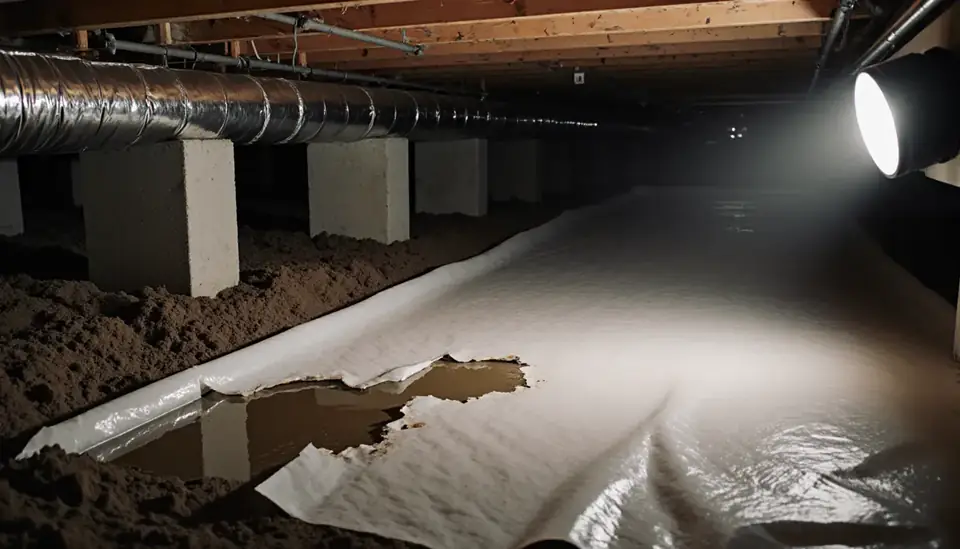
On a mountainside lot, the yard is a funnel. Heavy rain sheets off the slope above, collects against foundations and finds any gap at a lower-level door, a window well or a crack in a block wall. Houses built into the grade, with a finished level partly below the uphill side, are especially exposed. Typical warning signs:
- Damp carpet or a musty smell along the uphill wall of a lower level
- Efflorescence, the white powdery residue, on block or concrete walls
- Water pooling at the base of retaining walls or behind them
- Gutters overflowing because leaves from wooded lots clog them
Fixing the drainage outside matters as much as drying the inside. Extending downspouts, regrading and clearing gutters can keep the next storm from repeating the problem.
The Cahaba River Side of Town
The Cahaba River passes through Vestavia Hills on its way from the Trussville area toward the Fall Line, and it is the drinking water source for more than a million people in the upper basin. Homes and businesses in the lower areas around Cahaba Heights sit much closer to the river and its tributaries than houses up on the ridge. Across the line in Hoover, the city has reported past flooding along the Little Shades Cahaba near the LochRidge area, a reminder that the smaller creeks feeding the river can also rise.
If your property is near one of these streams, look it up on the FEMA Flood Map Service Center. A mapped zone is not the only place flooding happens, and standard homeowners insurance does not cover rising water.

From Extraction to Dry Readings: What the Work Looks Like
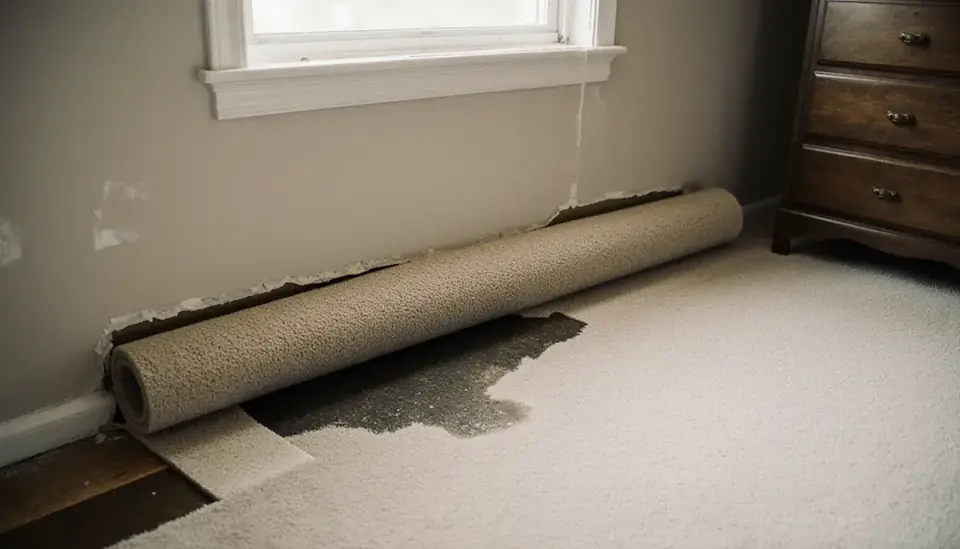
Whether the source is groundwater seeping into a lower level or a supply line that burst upstairs, the job follows a familiar order. Standing water is pumped or vacuumed out, wet carpet pad is pulled, and baseboards may be removed so walls can breathe. Drywall that wicked water is cut a foot or two above the wet line. Then structural drying takes over: dehumidifiers and air movers run while a technician tracks moisture in studs, subfloor and concrete until they reach normal levels.
Lower levels against a hillside dry more slowly than above-grade rooms because the soil outside keeps feeding moisture into the wall. Expect the provider to check those walls more than once before calling the job dry.
Mold Under the Trees
Wooded lots on a north-facing slope stay shaded and damp, and central Alabama summers are humid. A below-grade room that took on water can reach the point where mold grows on drywall paper and carpet backing in a few days. Surface spots on hard materials often clean up, but growth inside wall cavities or on soaked drywall usually means removal. Keep the room's humidity down, run a dehumidifier in lower levels through summer, and ask about mold remediation if a musty odor lingers after a leak has been fixed.
Before You Call Your Insurer
Take photos and video of every affected area, including the source of the water, before anything is removed. Note whether the water came from inside (a pipe, appliance or water heater) or from outside (runoff or flooding), since policies treat those very differently. Keep damaged items until an adjuster has seen them or approved disposal. Jefferson County EMA offers emergency notifications for storms, and the National Weather Service office in Birmingham posts warnings for the area.
Areas In and Around Vestavia Hills
Calls come in from across Vestavia Hills, including:
- Vestavia
- Liberty Park
- Cahaba Heights
The same line also serves nearby communities such as:
Vestavia Hills Water Damage Questions
Water comes into my lower level every time it rains hard. Is that a restoration problem or a drainage problem?
Usually both. The water that already got in needs to be extracted and the wall, floor and carpet dried, or mold can follow. But on a Shades Mountain lot the cause is often outside: gutters, downspouts, grading or a retaining wall that sends water toward the house. Many owners fix the drainage after the cleanup so the next storm does not repeat the damage.
Is Cahaba Heights more flood-prone than the rest of Vestavia Hills?
Cahaba Heights sits lower and closer to the Cahaba River and its tributaries than homes on the ridge, so the type of risk differs. Ridge homes deal mostly with runoff and roof leaks; lower areas near streams can see rising water. Check your exact address on the FEMA Flood Map Service Center rather than assuming either way.
Can a finished basement wall be dried without tearing it out?
Sometimes. If clean water was caught quickly and the drywall is not swollen or crumbling, drilling small holes at the base and forcing air into the cavity can work. If the water came from outside, sat for days, or the insulation behind the wall is soaked, removing the lower portion of the wall is usually the faster and more reliable route.