
Wickenburg grew up around gold. Henry Wickenburg's Vulture Mine opened the area in 1863, the town incorporated in 1909, and by the mid-20th century it was calling itself the Dude Ranch Capital of the World. It sits at about 2,200 feet where U.S. 60 meets the southern end of U.S. 93, roughly 53 miles northwest of Phoenix, with town limits that reach north into Yavapai County. The Hassayampa River runs through the east side of town, mostly underground for much of the year.
For water damage at a home, ranch property or downtown business, The Restoration Job can connect you with an independent restoration provider that covers Wickenburg. The call to (888) 317-9980 is free and the line is open 24/7. We are a referral service only; the provider handles the work and sets its own scheduling, which for a town this far from the metro may depend on travel distance.
How the call works: when you call (888) 317-9980, The Restoration Job connects you with an independent restoration provider that serves Wickenburg. That provider inspects the damage, explains the scope and quotes the work. The Restoration Job doesn't perform restoration itself. Read our referral disclosure.
The Hassayampa and the Memory of 1890
The Hassayampa is about 113 miles long and drains roughly 1,410 square miles, most of it desert. For much of the year the flow stays below the sand, which makes it easy to forget the river is there. Wickenburg's history is the reminder: after about seven inches of rain fell in the days after February 16, 1890, the Walnut Grove Dam, some 20 miles upstream, failed shortly after midnight on February 22. The flood killed scores of people along the river, by most counts more than a hundred, and wiped out Henry Wickenburg's own ranch.
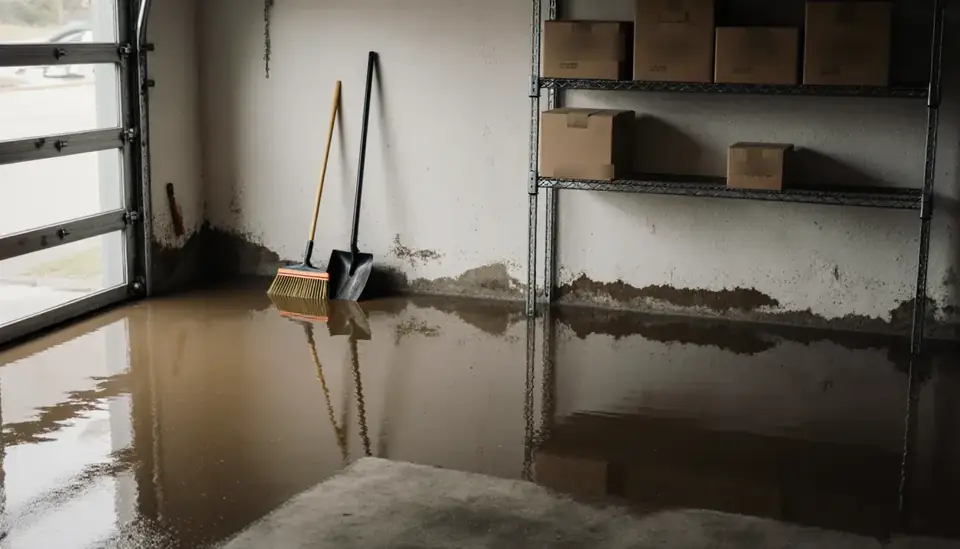
Modern flooding is far less dramatic but follows the same logic. A storm well to the north can send water down the riverbed and side washes into town, and properties on lower ground near those channels are the most likely to see water in garages, barns and ground-floor rooms. That water carries sand and debris and should be treated as contaminated during cleanup.
Winter Lows Near 10 Degrees: Burst Pipe Season
Wickenburg is noticeably colder in winter than Phoenix. The average January low is about 31 degrees, and both January and December have recorded lows down to 10 degrees. That is cold enough to split pipes in exterior walls, attics, crawl spaces, garages and well houses, and to freeze unprotected hose bibs and backflow devices. A burst pipe often doesn't leak until it thaws in the morning, so many freeze losses are discovered mid-day.
- Insulate exposed pipes and cover outdoor faucets before cold snaps
- On the coldest nights, let a faucet on an exterior wall drip and open sink cabinets to warm air
- Know where the main shutoff is, especially in an older home or a second home
- If a pipe bursts, shut the water off first, then call for water extraction before it spreads under flooring

Drying Wickenburg's Historic District Buildings
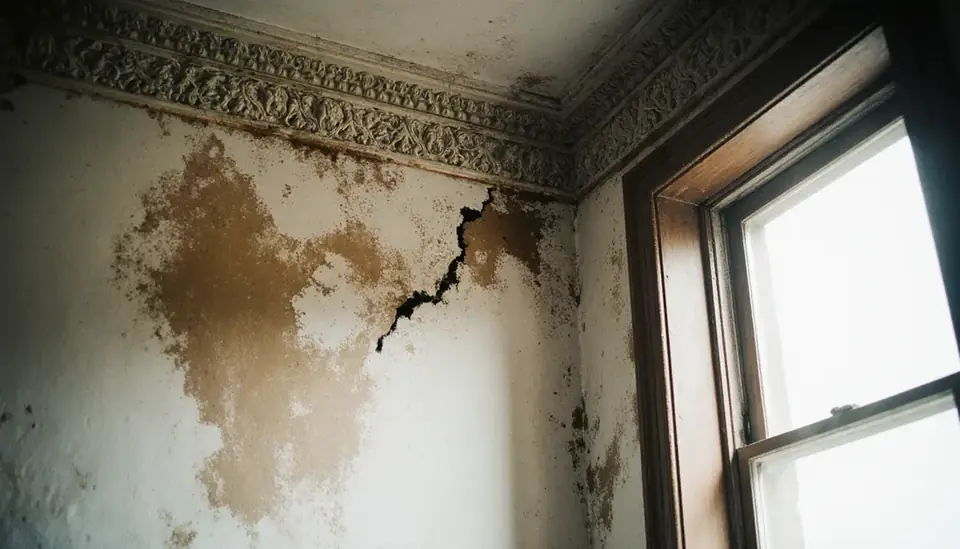
The town's historic district includes early commercial buildings that formed the original downtown, along with a historic train depot. Older masonry and wood-frame buildings can hide water in ways newer slab homes don't: plaster walls that hold moisture, wood floors over crawl spaces, and old drain and supply lines that have been patched over the years. Drying these structures takes care, because aggressive heat or demolition can damage materials that are hard to replace.
For owners of historic or older properties, it is worth asking a provider how they plan to dry plaster and original wood, and whether some materials can be dried in place. Our page on structural drying describes the equipment and monitoring involved.
Monsoon Storms and Mold After the Rain
Wickenburg averages about 12 inches of precipitation a year, with August (around 2.1 inches) and July (around 1.4 inches) the wettest months, thanks to monsoon thunderstorms. Those storms bring strong gusts that can lift roofing and drive rain through windows and vents, and humidity that slows drying indoors.
Moisture left in walls or cabinets after a leak or storm can grow mold within days in warm, humid weather. Check behind baseboards, under sinks and in closets near the leak. A small spot on a hard surface can be cleaned; growth on drywall, insulation or wood over a larger area should be removed with containment by a remediation provider.
Two Counties, One Town: Flood Information and Insurance
Most of Wickenburg lies in Maricopa County, where the Flood Control District offers an online floodplain viewer and free property-specific flood information requests. The northern part of town is in Yavapai County, so owners there should check FEMA's Flood Map Service Center and the appropriate county office. Standard homeowners insurance typically excludes surface flooding from rivers and washes, while sudden pipe bursts, including freeze breaks, are often handled differently. Read your policy and keep documentation of the damage and any repairs.
Areas In and Around Wickenburg
The same line also serves nearby communities such as:
- Morristown
- Wittmann
- Aguila
Common Questions
Do pipes really freeze in Wickenburg?
Yes. The average January low is about 31 degrees, and the town has recorded lows of 10 degrees. Pipes in exterior walls, attics, garages and well houses are most at risk, along with outdoor faucets and backflow preventers. Insulating exposed lines and keeping cabinet doors open on cold nights helps. If a pipe bursts, shut off the main water valve right away.
Can a restoration provider work on an older or historic building in Wickenburg?
Many providers handle older buildings, but the approach should be gentler than on a modern home. Ask how they will dry plaster, original wood floors and trim, and whether materials can be saved rather than removed. Document existing conditions with photos before work starts. Call (888) 317-9980 to be connected with an independent provider that serves the area.
Is the Hassayampa River a flood risk to my property?
It depends on your location and elevation relative to the river and nearby washes. The Flood Control District of Maricopa County can tell you whether a property is in a mapped floodplain, and FEMA's Flood Map Service Center hosts the official maps. Properties outside mapped zones can still take on runoff during heavy storms, so separate flood coverage is worth discussing with your agent.