
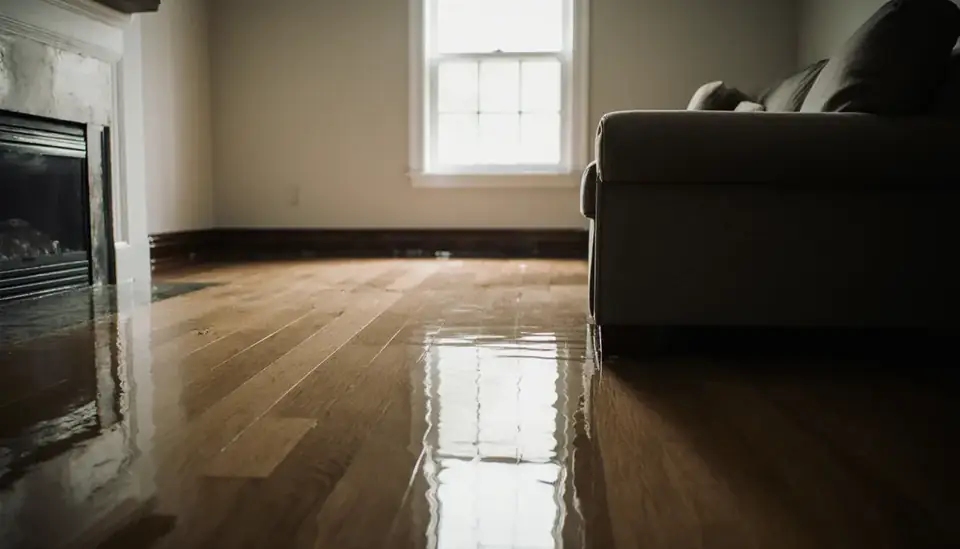
During the storms of early March 1938, the Los Angeles River surged south across the plain, flooding Compton on its way to Long Beach. That storm killed more than 100 people across the region and led the Army Corps of Engineers to encase the river system in concrete. Most of Compton Creek is a concrete channel today too, and it still runs through the area before joining the river south of Del Amo Boulevard. The city sits at about 69 feet above sea level on flat ground, and averages around 14 inches of rain a year, most of it in January and February.
The Restoration Job only makes referrals. Its free line at (888) 317-9980 is open 24/7 and puts callers in touch with independent restoration providers that work in Compton; we do not employ crews. Emergency service is often available from providers, but timing depends on each company.
How the call works: when you call (888) 317-9980, The Restoration Job connects you with an independent restoration provider that serves Compton. That provider inspects the damage, explains the scope and quotes the work. The Restoration Job doesn't perform restoration itself. Read our referral disclosure.
Compton Creek and the Channelized Los Angeles River
Compton Creek is the last major tributary to enter the Los Angeles River before it reaches the Pacific. It drains about 42 square miles of densely built South Los Angeles, Willowbrook and Compton, and most of its 8.5-mile course is a concrete flood channel. Below West Greenleaf Boulevard the creek changes character, flowing over an earthen bottom between riprap banks, the stretch that includes Compton Creek Natural Park.
Those channels move a lot of water fast, and serious river flooding has been rare since they were built. The flooding residents actually deal with is usually more local: heavy rain overwhelming street drains, water pooling at low intersections and alleys, and runoff reaching homes with low thresholds or sunken patios. Checking your address on the county's flood zone website is a sensible first step, and since standard homeowners policies typically exclude rising water, flood coverage is worth pricing separately.
Richland Farms, Older Homes and Sewer Lines
From Richland Farms to Sunny Cove and Leland, much of Compton's housing is decades old, with plumbing that may include original cast iron or clay sewer laterals. As those pipes age, tree roots, cracks and settling can cause a sewer backup that surfaces through a shower drain or toilet on the lowest level of the house.
Backups are a different category of damage from a clean-water leak. Sewage contains bacteria and other contaminants, so carpet, pad and porous materials it reaches are typically removed rather than dried. Professional sewage cleanup involves containing the area, removing affected materials, cleaning and disinfecting surfaces and then drying what remains. Keep children and pets away from the area until it has been cleaned.
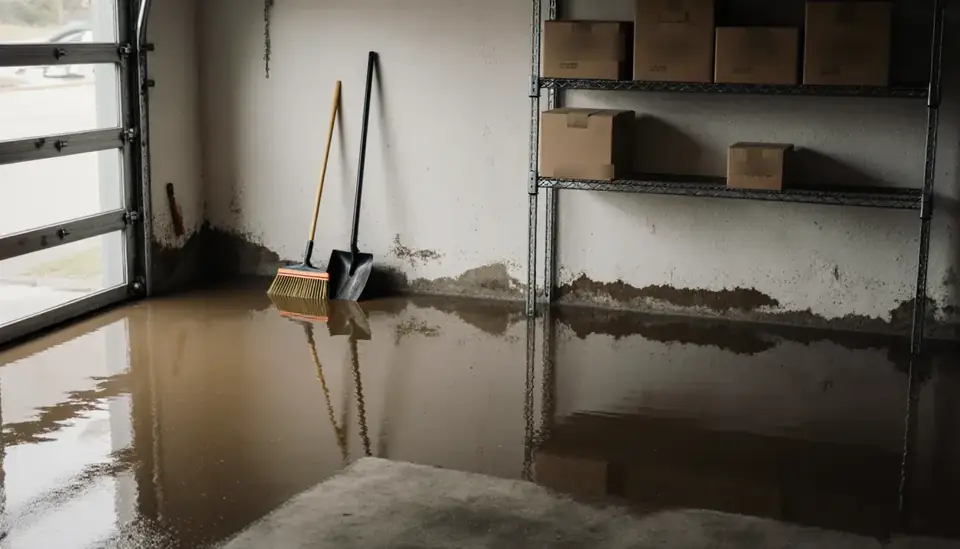
Getting Through a Storm Flooding Event
Most Compton flooding comes during a handful of intense winter storms. When water reaches the house, the order of operations matters:
- Stay out of standing water that may be in contact with outlets or appliances; shut off power at the panel only if you can do it from a dry spot.
- Photograph the water line on walls, furniture and appliances before cleanup begins.
- Treat outdoor flood water as contaminated, since it carries street runoff and debris.
- Call your insurer early and ask what documentation they need.
A provider doing flood cleanup will extract water and silt, remove materials that soaked up contaminated water, and clean and dry the structure. Drywall is often cut out a foot or more above the visible water line, because it wicks moisture upward.
Hidden Moisture in Compton Walls and Floors
Compton's mild, often humid winters slow drying, especially in homes that stay closed up during rainy stretches. Water that soaked into the bottom of walls or under linoleum and laminate can feed mold even after floors look dry. Bathrooms, kitchens and rooms along the side of the house where runoff collected are the places to watch. Neighbors in Carson face a similar mix of low ground and drainage channels.
A restoration provider can take moisture readings to confirm materials are truly dry before anything is rebuilt. If mold has already appeared, the usual approach is to remove affected materials under containment, clean nearby surfaces and correct the moisture source so it does not return.
Neighborhoods and Nearby Communities
Calls come in from across Compton, including:
- Richland Farms
- Sunny Cove
- Leland
- Downtown Compton
The same line also serves nearby communities such as:
- Lynwood
- Paramount
- Long Beach
- Carson
- Willowbrook
- Rancho Dominguez
- East Compton
- West Compton
Common Questions
Does the Los Angeles River still flood Compton?
Since the river and Compton Creek were channelized after the 1938 flood, river overflow in the city has been rare. Most local flooding now comes from heavy rain that overloads street drains and runs toward low spots. Check your parcel on the Los Angeles County flood zone website and FEMA's Flood Map Service Center to see how your address is mapped.
Sewage backed up into my bathtub. Can I clean it myself?
Small backups confined to tile or a tub can sometimes be cleaned with proper protection, but anything reaching carpet, drywall or wood floors calls for a professional. Sewage carries bacteria, and porous materials it touches are usually discarded. Have a plumber clear and inspect the line too, since root intrusion often causes repeat backups.
Is storm water damage covered by my homeowners insurance?
Coverage hinges on the water's path. Rain coming through a damaged roof or a burst pipe is handled differently from surface water flowing in from the street or yard, which standard policies usually exclude. Flood insurance is a separate policy with its own waiting period. Read your policy and call your insurer before discarding damaged items.