
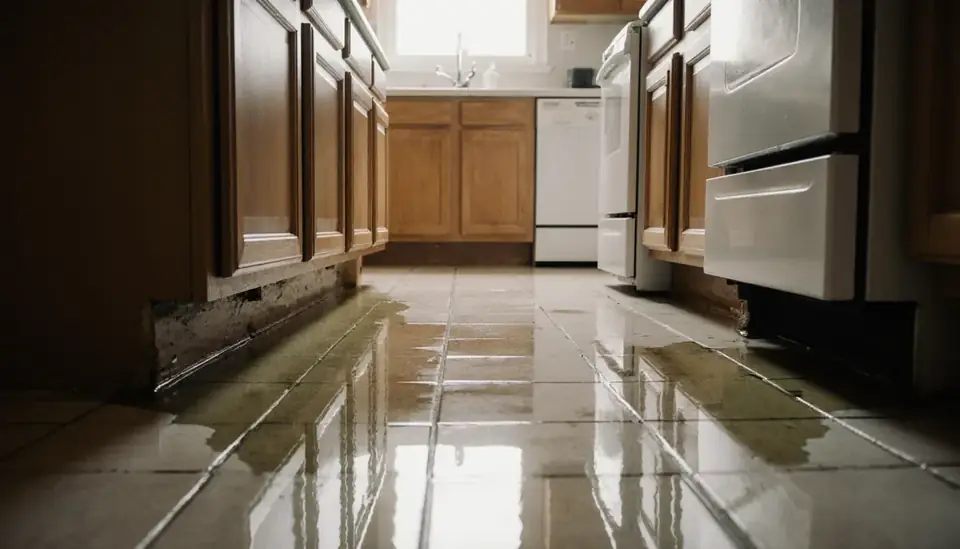
Between 1950 and 1960, West Covina went from fewer than 5,000 residents to more than 50,000, a growth rate above 1,000 percent that turned walnut country into one of the San Gabriel Valley's largest suburbs. Much of the housing built in that rush is now around 70 years old, and age is the thread running through a lot of local water damage: tired supply lines, original drain pipes, roofs on their second or third layer, and water heaters tucked into garages and closets. Add the slopes of the San Jose Hills, which extend into parts of the city, and winter storms bring their own set of problems.
The Restoration Job is a no-cost referral line, so we will not show up at your door ourselves. Call (888) 317-9980, day or night, and we will connect you with an independent provider that serves West Covina. Emergency service is common among providers but never assured.
How the call works: when you call (888) 317-9980, The Restoration Job connects you with an independent restoration provider that serves West Covina. That provider inspects the damage, explains the scope and quotes the work. The Restoration Job doesn't perform restoration itself. Read our referral disclosure.
Midcentury Tract Homes and Their Plumbing
A house built in the late 1950s has usually been through several rounds of updates, but rarely all at once. It is common to find newer copper or PEX in one part of a home and older galvanized steel or cast iron in another. Galvanized pipe corrodes from the inside and tends to fail at threaded joints, while cast iron drains crack and let water seep into the slab or crawl space. Slab-on-grade construction was standard in many tracts of that era, so a pinhole leak under the floor can spread before it is obvious.
Signs worth acting on include a meter that moves when every fixture is off, warm spots on tile, a damp smell from carpet near a hallway bathroom and loose or cracked floor tile. A plumber should locate and fix the leak first; a restoration provider then handles the water damage restoration side, from extraction and moisture mapping to drying and rebuild.
Storm Runoff Off the San Jose Hills
The San Jose Hills reach into parts of West Covina and top out at Buzzard Peak, about 1,329 feet. Their soils erode easily, and during heavy winter rain the runoff gathers speed on the way down. Homes on or below those slopes tend to see a few repeat scenarios:
- Water and silt pushing through block walls or under rear patio doors.
- Overflowing gutters dumping water against foundations because downspouts discharge too close to the house.
- Concrete V-ditches on slopes clogging with leaves and dirt, so runoff jumps the channel.
Cleaning drainage before the rainy season and making sure downspouts carry water away from the foundation cost very little and prevent a lot of muddy cleanups.
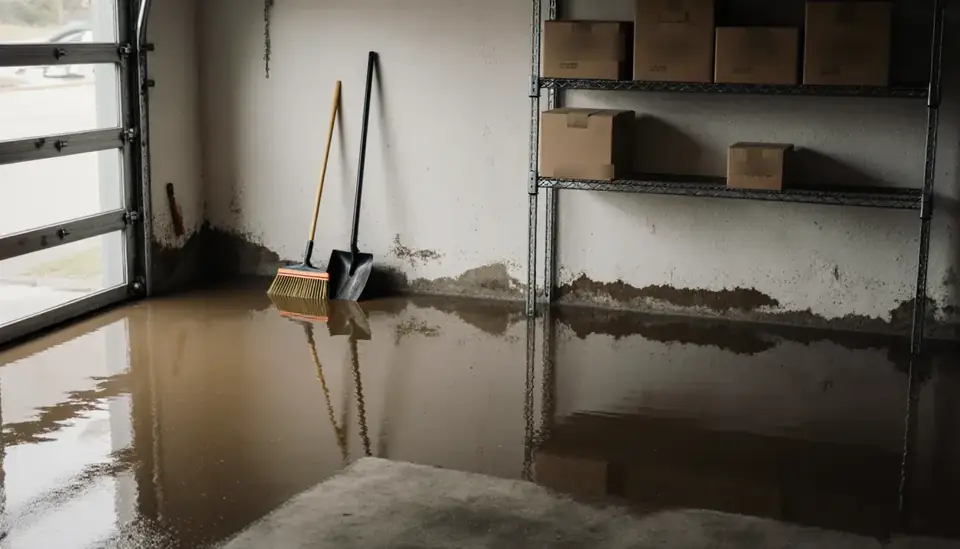
The First Hours After Water Gets In
For West Covina homeowners, speed matters most in the first day. Shut off the water at the fixture or main, and turn off power to any wet room if it is safe to reach the panel. Photograph everything before moving it, then lift furniture onto blocks or foil so legs do not stain wet carpet. A shop vac can help with a small spill, but leave anything deeper than a thin film to equipment built for it.
For storm water that came in from outside, assume it is contaminated: runoff picks up soil, fertilizer and street debris. Porous items it touched, like carpet pad, are usually discarded. A provider offering flood cleanup will extract the water, clean and sanitize hard surfaces and dry the structure. Remember that homeowners policies generally treat outside surface water differently than a burst pipe, so ask your insurer what applies before throwing away damaged items you may need to show an adjuster.
Mold in Closed-Up Valley Homes
West Covina has a hot-summer Mediterranean climate, and many West Covina homes stay closed up with the air conditioning running for months. That is fine for comfort, but an unnoticed drip inside a wall or under a sink still creates its own humid pocket, and mold can take hold there. Condensate lines from attic air handlers are another common source; when they clog, water can spill into the ceiling below.
A provider should find and correct the moisture source, remove affected materials and dry the area before any rebuild. For larger areas of growth, mold remediation is done under containment so spores are not spread to the rest of the house.
Areas In and Around West Covina
The same line also serves nearby communities such as:
- Covina
- Baldwin Park
- Irwindale
- La Puente
- Valinda
- Walnut
- Industry
- El Monte
Questions From West Covina Property Owners
My West Covina house is from the 1950s. Should I replace the plumbing before it leaks?
A plumber's inspection should drive that decision, but it is a reasonable question for a home that age. Partial repiping often leaves old galvanized sections in place, and those are where failures tend to occur. If you are remodeling a kitchen or bathroom anyway, it is a good time to have exposed lines checked or replaced.
Runoff from the hill behind my house flooded the back bedroom. What does cleanup involve?
Expect water extraction, removal of wet carpet and pad, cleaning of silt from floors and walls, and several days of drying with dehumidifiers. Drywall that wicked dirty water is usually cut out above the wet line. Once things are dry, look at grading and drainage behind the house so the next storm does not repeat the damage.
How can I find out if my property is in a mapped flood zone?
Los Angeles County Public Works runs a flood zone determination website where you can search by address, and FEMA's Flood Map Service Center hosts the official maps. Most of West Covina's flooding comes from local runoff rather than rivers, so even homes outside mapped zones can take on water in a heavy storm.