
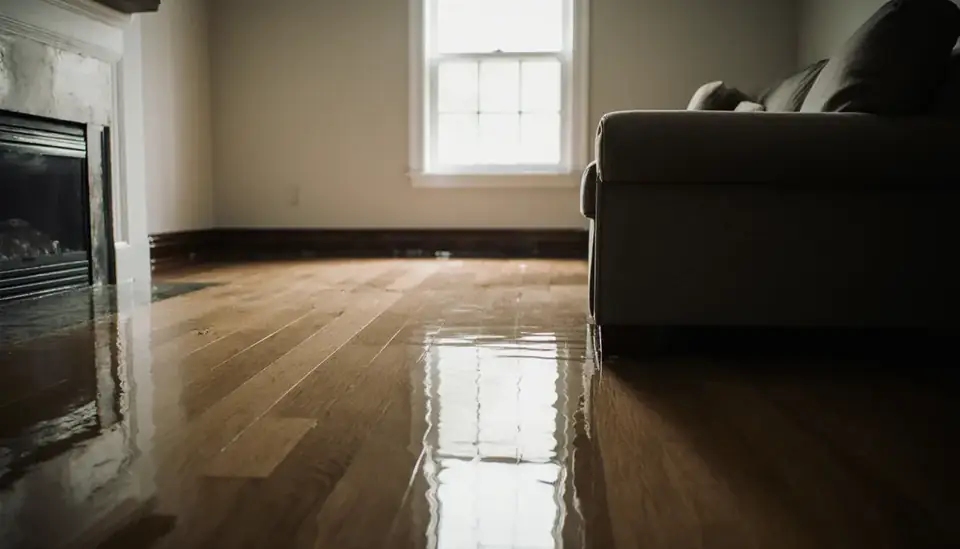
Santa Clarita fills a valley ringed by three mountain ranges: the San Gabriels to the east, the Santa Susanas to the south and west, and the Sierra Pelona to the north. Canyons cut down from all of them, including San Francisquito, Bouquet, Sand and Soledad, and they all feed the Santa Clara River. For most of the year the riverbed is dry sand. In heavy rain it can turn into a fast, wide river, and the canyons that feed it can send water and debris toward homes built along their mouths.
The Restoration Job offers a free 24/7 line, (888) 317-9980, that connects you with independent restoration providers serving Santa Clarita. We're a referral service, not a restoration company. The provider you're connected with handles the inspection, pricing and work directly, and many often take emergency calls for active leaks.
How the call works: when you call (888) 317-9980, The Restoration Job connects you with an independent restoration provider that serves Santa Clarita. That provider inspects the damage, explains the scope and quotes the work. The Restoration Job doesn't perform restoration itself. Read our referral disclosure.
A Dry River That Doesn't Stay Dry
The Santa Clara River drains about 1,600 square miles and runs 83 miles to the ocean. Its recorded flow ranges from nothing at all to roughly 165,000 cubic feet per second, which says a lot about how quickly conditions change. The valley also carries the memory of a far worse kind of flood: on March 12, 1928, the St. Francis Dam in San Francisquito Canyon collapsed, sending a wall of water down the canyon and the river that killed 411 people.
Modern flood problems are smaller and more local. During intense storms, homes near canyon washes in Canyon Country, Saugus and Newhall can see runoff and mud cross yards and enter garages. Elevations in the city range from about 1,000 feet to over 3,000, so many lots sit on slopes where drainage swales, yard drains and graded pads matter as much as the river does.
Newer Homes, Newer Failure Points
Large parts of the city are relatively recent construction, from master-planned Valencia to newer tracts such as Vista Canyon. Newer construction avoids some old-house problems, but it brings its own common leaks:
- Upstairs laundry rooms and bathrooms whose leaks show up in the ceiling below.
- Water heaters and water softeners in garages that fail without warning.
- Ice-maker and dishwasher supply lines behind cabinets.
- Slab leaks under concrete floors, often found by warm spots or a rising water bill.
Upstairs leaks in two-story homes usually require opening part of the ceiling to dry the cavity. A provider handling structural drying will check joists and insulation, not just the drywall face.

Heat, Fire and Storm Wind
Summers here run in the 90s and often top 110 degrees during heat waves, and Santa Ana winds blow in from the Mojave. The valley's hillsides are prone to wildfire, and rain on recently burned slopes increases the mud and debris that reach homes. Wind is a factor too: during Hurricane Hilary in August 2023, the strongest gust measured in Los Angeles County, 87 mph, was recorded at Magic Mountain near Valencia. Wind-lifted roof tiles and torn flashing let rain into attics, and the damage often shows up in a later storm. Inspect the roof after strong wind events.
Drying Fast in a Dry Climate, and Where Mold Still Hides
The valley's low humidity helps exposed surfaces dry quickly, which can be misleading. Water trapped under vinyl plank flooring, inside cabinet bases or in the cavity between floors stays wet long after the room feels dry, and that is where mold tends to appear. Moisture meters and, where needed, thermal imaging help find it. If growth is already visible, ask the provider about mold remediation as part of the scope.
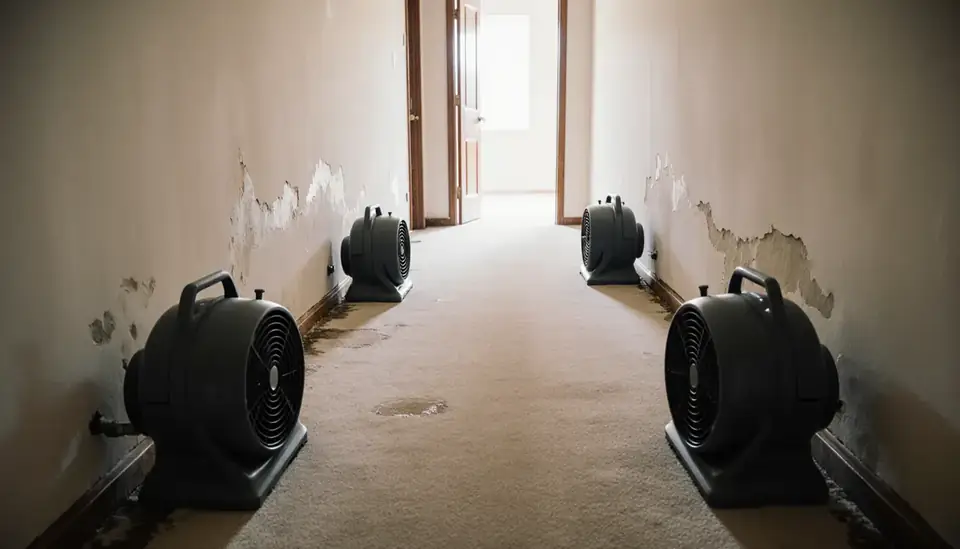
Before and After a Storm in the Valley
The city's Emergency Management office directs residents to SantaClaritaEmergency.com for live updates during incidents. Before the rainy season, clear yard drains and roof gutters, keep debris out of curb inlets, and move stored items off garage floors. After a storm, photograph any water or mud before cleanup and call your insurer, since standard homeowners policies usually exclude surface flooding and mudflow. For water damage in Santa Clarita, a provider can also handle flood cleanup when outdoor water has entered the house.
Neighborhoods and Nearby Communities
Calls come in from across Santa Clarita, including:
- Valencia
- Newhall
- Saugus
- Canyon Country
The same line also serves nearby communities such as:
- Stevenson Ranch
- Castaic
- Agua Dulce
- Palmdale
- Los Angeles
Questions From Santa Clarita Property Owners
Do homes near the Santa Clara River in Santa Clarita flood?
The river is dry most of the year, but its flow can rise dramatically in big storms. Flood risk varies a lot by lot, so check a property's mapped flood zone on the FEMA Flood Map Service Center. Most storm damage in the valley actually comes from canyon runoff, hillside drainage and roof leaks rather than the river overtopping.
My upstairs bathroom leaked into the living room ceiling. What happens next?
Turn off the water to the fixture or the main, and keep people out from under a sagging ceiling. A restoration provider will usually open part of the ceiling to dry the joists and insulation between floors, which can't dry properly through intact drywall. Photograph the damage before work starts for your insurance claim.
Where do I find emergency information in Santa Clarita during a storm or fire?
The City of Santa Clarita's Emergency Management office points residents to SantaClaritaEmergency.com for live updates during incidents. The National Weather Service office in Oxnard issues flash-flood and wind warnings for the valley, and Los Angeles County Public Works posts debris-flow information for burn areas.