
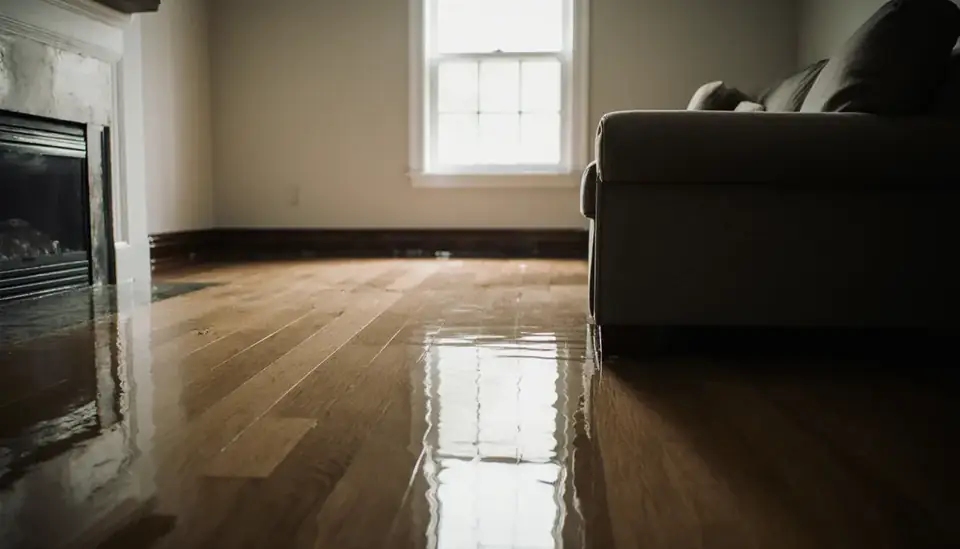
Fontana is built on a fan of sand, gravel and cobbles that Lytle Creek spread out of the San Gabriel Mountains over thousands of years. The ground slopes gently south, from about 2,600 feet in the Panorama area of Hunter's Ridge down to roughly 840 feet near Etiwanda and Philadelphia avenues. Rain that falls on the foothills moves downhill through that whole city, which is why the north end's newer tracts, the older blocks around downtown and the flatter industrial south side each deal with water a little differently.
Most of the calls are still about plumbing and roofs rather than floods. The Restoration Job offers a free line at (888) 317-9980, answered 24/7, that connects Fontana residents and businesses with independent restoration providers in the area. Many of those providers handle after-hours emergencies, but each company sets its own schedule.
How the call works: when you call (888) 317-9980, The Restoration Job connects you with an independent restoration provider that serves Fontana. That provider inspects the damage, explains the scope and quotes the work. The Restoration Job doesn't perform restoration itself. Read our referral disclosure.
Cajon Pass Winds and What They Do to Roofs
Fontana sits near the mouth of the Cajon Pass, and the city is frequently hit by strong, hot, dry Santa Ana winds that funnel through it. Those winds strip shingles, crack concrete tile, peel back flashing and push loose items into windows and gutters. The roof damage rarely leaks right away. It waits for the first winter storm.
Fontana gets about 15 inches of precipitation a year, nearly all of it in winter, so a weakened roof can go months before anyone sees the problem. Check the roof after a major wind event, especially the ridge line and the edges, where wind gets under the material. If water has already come through, a provider doing storm damage cleanup should look at the attic insulation and roof decking as well as the stained ceiling below, since wet insulation pressed against drywall keeps it damp long after the rain stops.
North Fontana Tracts and the Foothill Slope
Fontana grew from about 129,000 residents in 2000 to roughly 213,000 by 2020, and much of that growth came as large subdivisions in the northern part of the city, in areas such as Hunter's Ridge, Coyote Canyon and around Sierra Lakes. Homes there are mostly newer, many of them two stories, with laundry rooms and bathrooms on the upper floor.
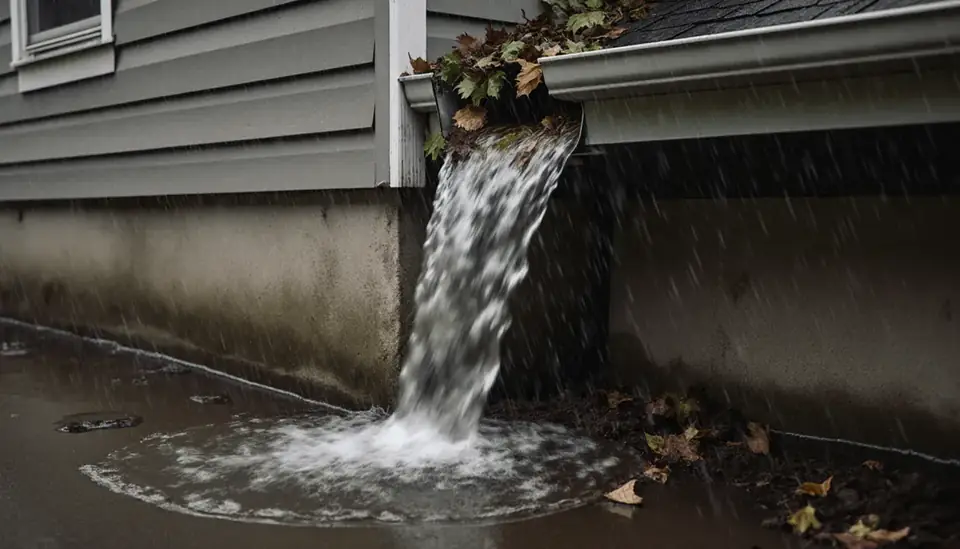
Upstairs leaks are the classic problem in this kind of house. A failed washer hose or a toilet supply line can run for hours while nobody is home, and the water spreads across the subfloor before dropping through the downstairs ceiling. Lots near the foothills also sit uphill from their neighbors, so yard grading and drains matter during heavy rain. Water should move away from the slab and down the side yards, not pool against stucco or a garage door.
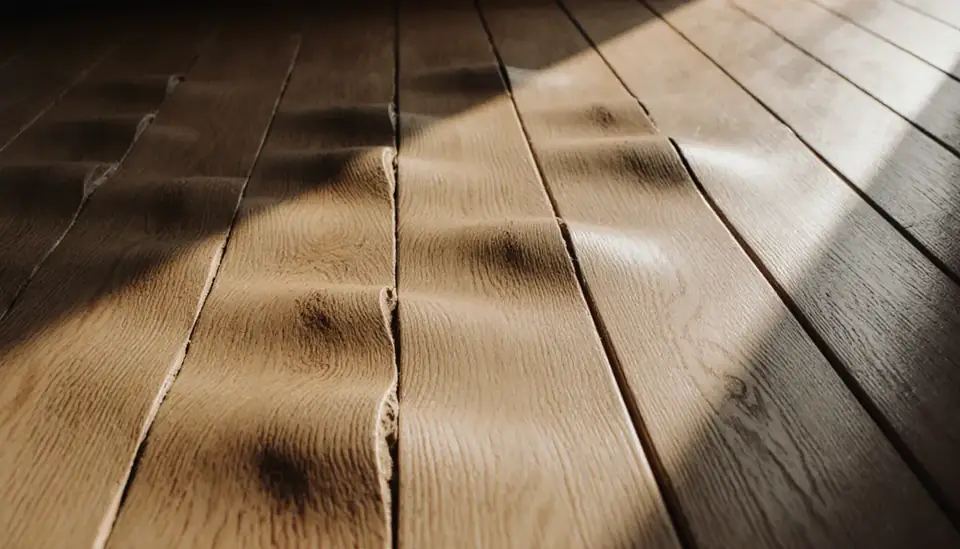
Older Homes From the Ranch and Steel Mill Years
Before the subdivisions, Fontana was a farm town of citrus groves, vineyards and chicken ranches, founded in 1919 by A.B. Miller. Henry J. Kaiser's steel plant arrived during World War II, and the city incorporated in 1952. Houses from those decades in central and southern Fontana tend to have older galvanized or copper supply lines, original water heaters tucked into garages or closets, and plumbing that has been patched more than once.
In these homes, pinhole leaks and slab leaks are common culprits. A warm spot on the floor, a meter that keeps spinning with every fixture off or a carpet that is damp at one edge can all point to a pipe under the slab. A plumber locates and fixes the leak, and a water damage repair provider then handles the wet flooring, baseboards and drywall.
Flood History on the Lytle Creek Fan
County flood records note that the 1943 storm did most of its damage along Lytle Creek, and the regional floods of March 1938 and of January and February 1969 caused heavy losses across San Bernardino County. Since then the lower creek has been channelized and diverted, and the alluvial fan beneath Fontana, Rialto, Colton and San Bernardino is crossed by flood control channels and basins. Regional flooding is far less likely than it once was. Street flooding during intense downpours still happens, and water entering a home from outside is treated as contaminated. FEMA's Flood Map Service Center shows whether a property is in a mapped flood zone.
A Practical Plan for the First 48 Hours
- Turn off the water at the fixture valve or the main, usually near the front of the house or in the garage.
- Kill power to any room where water is near outlets, cords or a floor heater.
- Photograph everything, including the source of the leak, before cleanup starts.
- Call your insurer and, if you need a restoration provider, call (888) 317-9980.
Inland summers routinely top 100 degrees, and hot air does speed drying. The catch is that hidden water under laminate, behind cabinets and inside walls still needs extraction and controlled drying with dehumidifiers. A provider should take moisture readings daily and leave equipment running until the materials are actually dry. Mold growth tends to follow leaks that went unnoticed, such as a slow drip behind a refrigerator or an attic soaked by a winter roof leak, so ask for those spaces to be checked too.
Neighborhoods and Nearby Communities
Calls come in from across Fontana, including:
- Hunter's Ridge
- Panorama
- Coyote Canyon
- Sierra Lakes
- Southridge Park
- Downtown Fontana
The same line also serves nearby communities such as:
- Rialto
- Rancho Cucamonga
- San Bernardino
- Ontario
- Bloomington
- Lytle Creek
- Jurupa Valley
Frequently Asked Questions
Does wind damage to my roof count as storm damage for insurance?
Many homeowners policies cover sudden wind damage to a roof and the water that enters as a direct result, while excluding wear and tear or long-term leaks. In Fontana the wind often comes weeks before the rain, so document roof damage with photos as soon as you see it. That makes it easier to connect a later leak to the original wind event when you file a claim.
How can I tell if a leak is under my slab?
Common signs include a water bill that jumps without explanation, the sound of running water with everything off, warm or damp spots on the floor and cracks in tile that seem to sweat. Turn off every fixture and watch the meter. If it still moves, call a leak-detection plumber. Once the pipe is fixed, the flooring and lower walls usually need drying.
My upstairs washer overflowed. Is the downstairs ceiling safe?
Treat a sagging or bulging ceiling as a hazard and keep people out from under it. Water can pool on drywall above, and the weight can bring it down. Turn off power to fixtures in that ceiling. A restoration provider will usually open the damaged section to drain it, dry the joist space and remove wet insulation before the ceiling is replaced.