
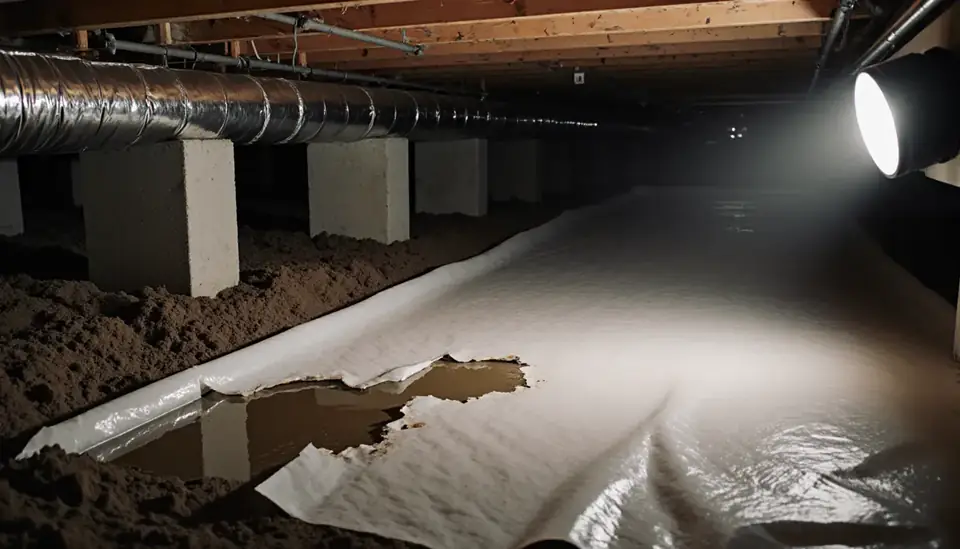
Rancho Cucamonga climbs right up to the base of the San Gabriel Mountains, with Cucamonga Peak towering over the north end of town. The city formed in 1977 when three unincorporated communities, Alta Loma, Cucamonga and Etiwanda, voted to join together, and it sits on an alluvial plain where neighborhoods meet open wildland. Rain here averages close to 18 inches a year, more than most of the valley floor to the south, and almost all of it falls in winter storms that come off the mountains in a hurry.
For most households, though, a water problem means a burst hose, a failed water heater or a ceiling stain after a storm. The Restoration Job provides a free phone line, (888) 317-9980, available 24/7, that connects residents with independent restoration providers serving the area. Many of them offer emergency service, but timing varies by company.
How the call works: when you call (888) 317-9980, The Restoration Job connects you with an independent restoration provider that serves Rancho Cucamonga. That provider inspects the damage, explains the scope and quotes the work. The Restoration Job doesn't perform restoration itself. Read our referral disclosure.
Living Below Cucamonga Canyon and the San Gabriel Front
The slope from the mountain front down toward Foothill Boulevard is steep by valley standards, and canyons such as Cucamonga Canyon have fed water to this area for a long time; settlers were digging irrigation tunnels into it by 1887. That same terrain sends storm runoff downhill quickly. During a 1978 storm, the earth levees of the Cucamonga Channel below Foothill Boulevard were critically eroded and the county began evacuating part of the city. The Army Corps of Engineers later completed a concrete channel to Foothill.
Flood control in Rancho Cucamonga has improved since, but homes in the upper parts of Alta Loma and Etiwanda still sit closest to the canyons and wildland edge. If a fire has burned the slopes above you, the following winters bring a higher chance of mud and debris coming off the hillside. Watch for county storm alerts, keep debris out of drainage swales and do not block natural flow paths with walls or landscaping.
Hillside Lots, Retaining Walls and Water at the Back Door
Many lots in north Rancho Cucamonga are terraced, with retaining walls and slopes behind the house. When drains in those walls clog, or when a downspout empties onto a slope, water can collect against the back of the house and work its way under sliding doors or through the base of stucco walls. A quick check in fall pays off: clear the drain openings at the base of retaining walls, make sure downspouts discharge away from the foundation and look for soil that has built up against the siding.
Water that comes in from the yard picks up soil and whatever else is on the ground. Restoration providers generally treat it as more contaminated than a clean supply line leak, which means carpet pad and lower drywall are more likely to be removed instead of dried.
Two-Story Homes and Leaks That Travel
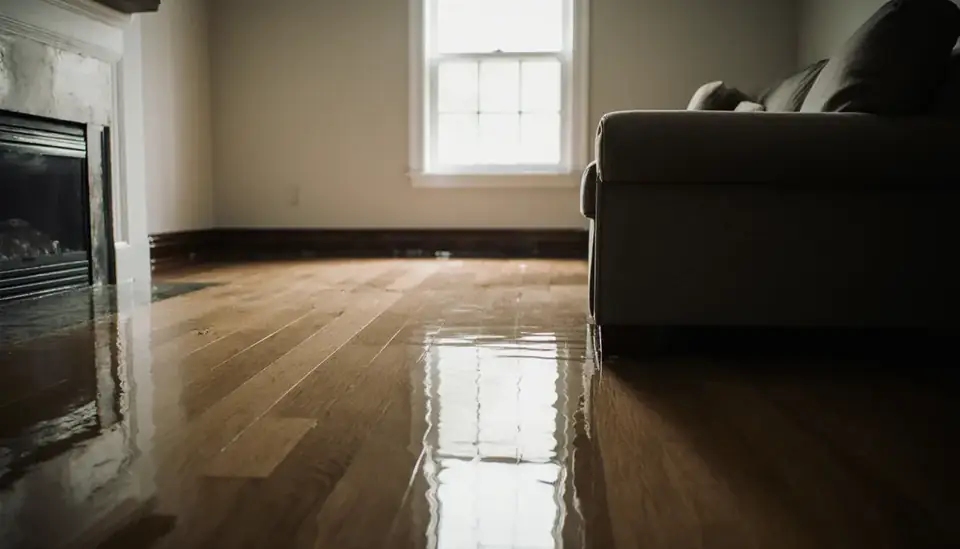
Plenty of Rancho Cucamonga houses are two stories, and some have the laundry room or main bathrooms upstairs. When a supply line fails on that upper floor, the water spreads across the subfloor and runs along joists before it finds a way down, often well away from the source. By the time it drips from a downstairs ceiling, a large area may be wet.
A good water damage restoration job in a home like this maps the moisture on both floors with meters, opens ceilings where water is trapped and dries the cavity between floors. Replacing washer hoses with braided lines and installing a drain pan with an alarm under upstairs machines are inexpensive ways to prevent a repeat.
Mold After Winter Leaks in a Dry Climate
Summers here are hot and dry, with a record high of 115 degrees, and that can make mold seem like a coastal problem rather than a Rancho Cucamonga one. It is not. Mold needs moisture more than humidity, and a roof leak in January, a slow drip under a sink or wet insulation in an attic gives it what it needs. The risk climbs when a leak goes unnoticed for days or when wet drywall gets painted over before it dries. If you notice a musty smell, peeling paint or dark spotting on drywall near a past leak, have it inspected. For growth larger than a small patch, mold remediation with containment is the safer route.

First Moves When Water Gets In
- Stop the source at the fixture valve or main shutoff.
- Turn off power to wet areas, and stay out from under sagging ceilings.
- Photograph damage and keep receipts for any emergency purchases.
- Call your insurer, then (888) 317-9980 if you need a restoration provider.
Restoration providers in Rancho Cucamonga generally start with extraction, then remove materials that cannot be saved and run drying equipment with daily moisture checks. The job is done when readings say so, not when surfaces feel dry.
Areas In and Around Rancho Cucamonga
Calls come in from across Rancho Cucamonga, including:
- Alta Loma
- Cucamonga
- Etiwanda
The same line also serves nearby communities such as:
Frequently Asked Questions
Is flooding still a real risk in Rancho Cucamonga now that the Cucamonga Channel is concrete?
Large regional flooding is much less likely than before the channels were built, but local flooding still happens. Intense storms can overload street drains, and homes near the foothills can get runoff, mud or debris from the slopes above, especially after a wildfire. FEMA's Flood Map Service Center shows your official zone, and county alerts give warning when heavy rain is coming.
Water came in under my back slider during a storm. Is that a flood claim?
Surface water entering from outside is usually treated as flood under insurance policies, and standard homeowners coverage generally excludes it. Water from a broken pipe or a roof leak is handled differently. Read your policy or ask your agent before assuming either way. Either way, dry the area quickly and document how the water got in.
How do I keep an upstairs laundry leak from happening again?
Replace rubber washer hoses with braided stainless lines and swap them every several years. Install a drain pan under the machine, ideally connected to a drain, and add a leak alarm or an automatic shutoff valve. Turn off the supply valves when you leave for a trip. These steps cost little compared with drying two floors of a house.