
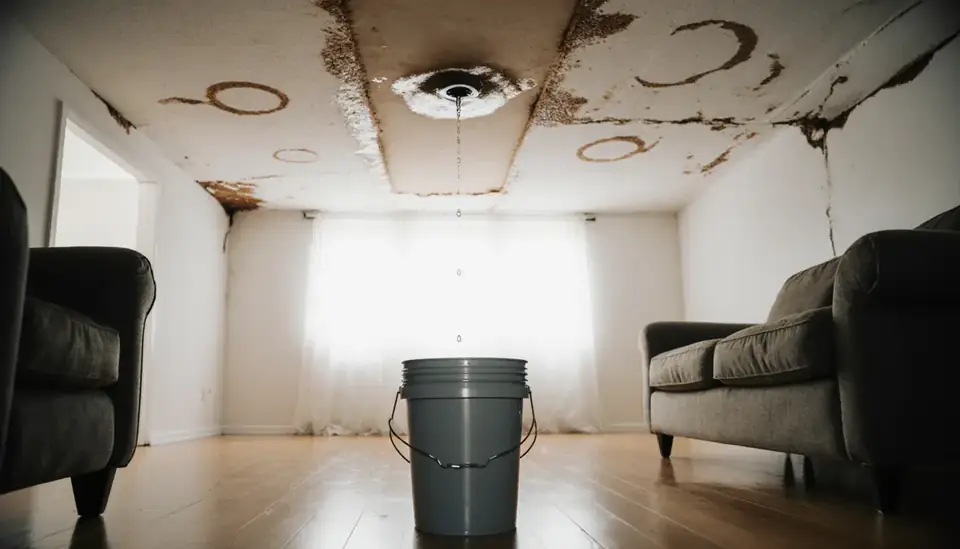
Across the Coachella Valley, the population roughly doubles between late summer and January as seasonal residents return, from around 300,000 people in July and August to about 600,000 in winter. Palm Desert feels that swing as much as any city in the valley, and it shapes how water damage happens here. A supply line that bursts in a home whose owners are away for the summer can run for days or weeks before anyone opens the door. With less than three inches of rain in a typical year, the most frequent threat is plumbing, not weather.
When weather does strike, it can be severe. The Restoration Job offers a free line at (888) 317-9980, answered 24/7, that connects callers, including absentee owners and property managers, with independent restoration providers serving Palm Desert. We aren't the contractor; the provider you're connected with handles the inspection and work on its own terms.
How the call works: when you call (888) 317-9980, The Restoration Job connects you with an independent restoration provider that serves Palm Desert. That provider inspects the damage, explains the scope and quotes the work. The Restoration Job doesn't perform restoration itself. Read our referral disclosure.
Kathleen in 1976, Hilary in 2023
Two tropical storms bracket Palm Desert's modern flood history. In September 1976, three years after Palm Desert incorporated, Tropical Storm Kathleen dropped more than a year's worth of rain on the town in a matter of days. Homeowners suffered roughly $4 million in damage, and floodwater destroyed railroad tracks in the area. Streams around the Coachella Valley reached record flood stages.
Nearly half a century later, the remnants of Hurricane Hilary hit on August 20 and 21, 2023. Flooding displaced about 30 residents of the Spanish Walk neighborhood, high winds brought down a large tree across State Route 111, and countywide damage reached about $126 million. For several days 911 phone service in the valley was out, a detail worth remembering when you plan how you'd call for help in the next big storm.
From the Santa Rosa Foothills to the Valley Floor
City Hall sits at about 220 feet, but the southern part of town climbs to between 300 and 900 feet on the slopes beneath the Santa Rosa Mountains, with ridgelines near 1,000 feet. Rain that falls on the bare, rocky slopes above Palm Desert runs off almost immediately. Homes at the mouths of canyons and along the paths of desert washes are the first to see runoff, while lower neighborhoods to the north collect what flows downhill through streets and channels.
Runoff that enters a house usually brings sand and silt with it. Plan on flood cleanup that starts with removing sediment and discarding soaked carpet pad and lower drywall, followed by cleaning, disinfecting and controlled drying.

Leaks in Homes That Sit Empty for Months
A familiar scenario in seasonal homes: an owner returns in October to warped floors, swollen baseboards and a musty smell, and the leak turns out to have started in June. Common culprits include braided supply lines to toilets and sinks, water heaters past their service life, ice maker lines, and slab leaks in older homes around Palma Village, the original neighborhood at the city's center. In attached homes and HOA communities, water from one unit can travel through shared walls into a neighbor's.
- Shut off the main water valve before leaving for the season, or install an automatic leak-detection shutoff.
- Ask a neighbor, HOA or property manager to walk through the house periodically.
- Leave the air conditioning set to a moderate temperature rather than off, to keep indoor humidity and heat down.
- Check your policy for vacancy or unoccupancy conditions before a long absence.
Heat, Closed Rooms and Mold Growth
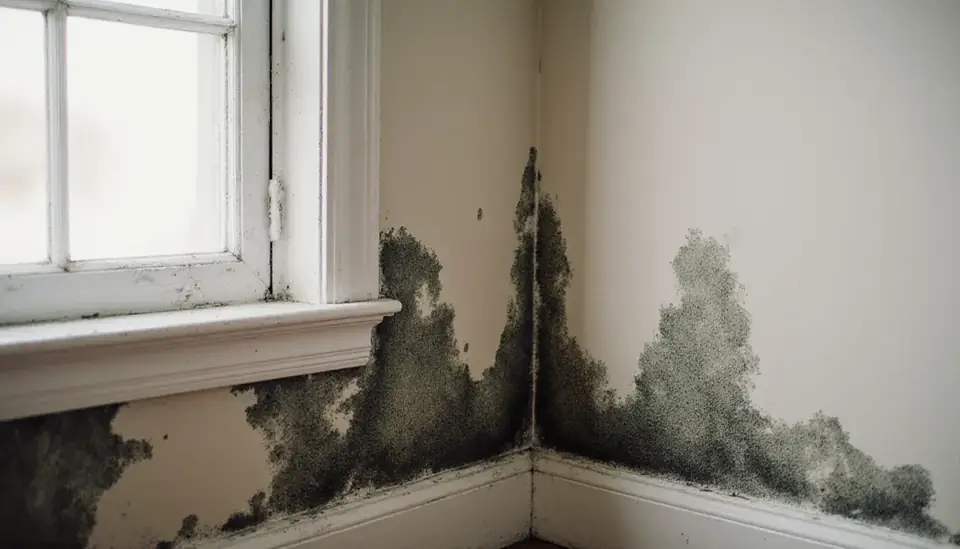
Summer highs in Palm Desert and the rest of the valley floor often run between 104 and 120 degrees, and a closed house with a leak becomes warm and humid inside even as the air outside stays bone dry. That combination lets mold grow on wet drywall, cabinet backs and carpet in places that would otherwise dry quickly. Once growth is present, mold remediation generally means containment, removal of affected porous materials and drying the structure, not bleaching the surface.
A moisture meter tells the real story. Wood framing and slab edges can hold water long after the drywall feels dry, so drying should continue until readings return to normal for the material.
What Owners Who Live Elsewhere Should Ask
Coordinating a job from out of state is common in Palm Desert. Ask the provider to send photos and moisture readings at the start and end of drying, a written scope of work before demolition, and a list of anything discarded. Confirm who will let crews in, whether the HOA needs notice, and whether your insurer wants its adjuster to see the damage before materials are removed. Keep copies of everything for the claim.
Where Callers in the Palm Desert Area Are
Calls come in from across Palm Desert, including:
- Palma Village
- Spanish Walk
The same line also serves nearby communities such as:
- Rancho Mirage
- Indian Wells
- Cathedral City
- Palm Springs
- La Quinta
- Indio
- Sun City Palm Desert
Questions From Palm Desert Property Owners
Can I arrange water damage repair in Palm Desert from another state?
Yes, and many seasonal owners do. Call the line, describe what your neighbor or manager found, and arrange access through a lockbox, HOA or property manager. Ask for photo documentation and moisture readings by email throughout the job, and get the written scope before work starts so you and your insurer can look it over remotely.
Is flood damage from a storm like Hilary covered by homeowners insurance?
Water and mud flowing in from outside are generally excluded from standard homeowners policies and covered only by flood insurance, which you buy separately and which usually has a waiting period before it takes effect. Rain coming through a wind-damaged roof is a different case and is often covered under the homeowners policy.
How do I check whether my Palm Desert property is in a flood zone?
Use the Riverside County Flood Control and Water Conservation District's "Am I in a Floodplain?" tool or FEMA's Flood Map Service Center. Properties near canyon mouths on the south side and along washes deserve a close look. Even outside mapped zones, surface runoff can reach homes during intense tropical or monsoon storms.
Does the dry climate mean a small leak will just dry out?
Exposed surfaces often dry quickly, but water that soaks under flooring, into wall cavities or beneath cabinets can stay trapped for weeks, especially in a closed house. Testing with a moisture meter is the only reliable way to know. If materials are still wet after a day or two, professional drying is usually worth it.