
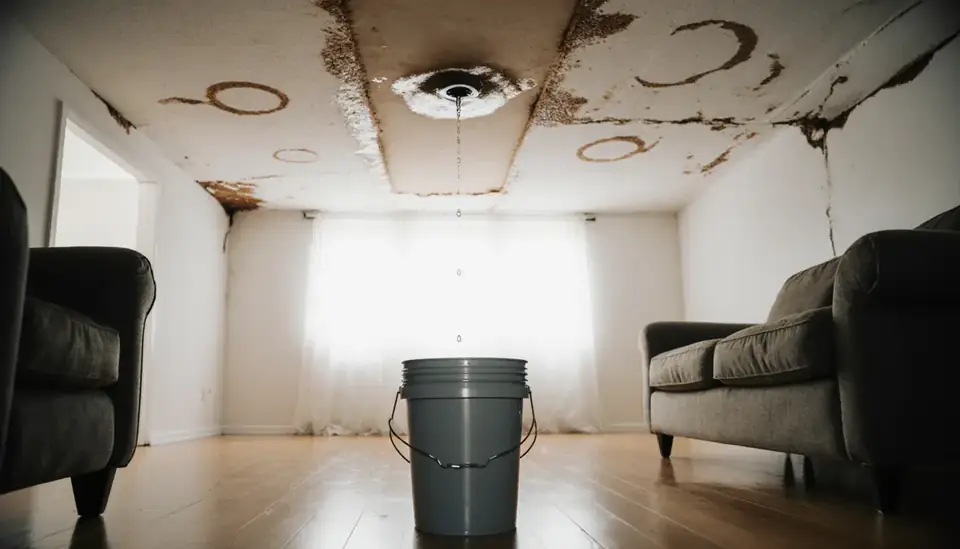
Three creeks cross Palo Alto on their way from the hills to the baylands. San Francisquito Creek forms the city's western boundary with Menlo Park and East Palo Alto, Matadero Creek runs through the middle, and Adobe Creek marks the eastern edge. Most years they stay quiet, because the city sits in a rain shadow and averages only about 15 inches of rain. February 1998 showed what happens when that changes: 12.43 inches fell that month, including 3.75 inches on February 3, and San Francisquito Creek broke out of its banks.
The Restoration Job operates a free 24/7 line, (888) 317-9980, that connects people with independent restoration providers serving Palo Alto and nearby Peninsula communities. We don't carry out restoration ourselves. Providers often offer emergency service, though response depends on the company and on demand after a storm.
How the call works: when you call (888) 317-9980, The Restoration Job connects you with an independent restoration provider that serves Palo Alto. That provider inspects the damage, explains the scope and quotes the work. The Restoration Job doesn't perform restoration itself. Read our referral disclosure.
San Francisquito Creek After 1998
During the 1998 El Niño storms, the creek burst its banks and its levees were damaged. That flood led to the formation of the San Francisquito Creek Joint Powers Authority in 1999. Palo Alto is one of its member communities. Its downstream project is complete, upstream work continues, and the SAFER Bay effort is aimed at protecting the shoreline communities from bay flooding.
Those projects reduce risk but don't remove it. Homes in the low areas near the creek and toward the baylands should still have a plan for heavy storms: know your FEMA flood zone, keep gutters and drains clear, and move valuables off garage and basement floors before a big system arrives.
Craftsman Crawl Spaces and Eichler Slabs
The city's housing stock divides roughly in two. North of Oregon Expressway, older neighborhoods such as Professorville hold Craftsman and California Colonial houses, some dating to the 1890s, many on raised foundations with crawl spaces. South of the expressway, Eichler and Eichler-style houses built in the two decades after World War II sit on concrete slabs with radiant heating pipes inside.
- In older homes, water often collects unseen in the crawl space, soaking joists and subfloor and raising humidity throughout the house.
- Lath-and-plaster walls hold water longer than drywall and may need different drying methods.
- In Eichlers, a slab or radiant line leak may show up as a warm damp spot or lifting floor, and low-slope roofs are prone to leaks in long storms.

What a Restoration Crew Does in an Older House
A good assessment starts with finding the source and mapping moisture with meters and thermal imaging, including under the house. For historic homes, it helps to ask the provider to save and dry original trim, wood floors and plaster where that's practical, rather than defaulting to demolition. Water extraction comes first, then targeted removal of materials that can't be saved, then controlled drying of the crawl space and framing. Document everything with photos for your insurer, and confirm whether your property is in a historic district before making permanent changes to exterior features.
Damp Crawl Spaces and Mold Risk
The climate is dry most of the year, but winter storms can leave water in crawl spaces under shaded, tree-covered lots for weeks. That steady dampness is where mold gets started on joists, subfloor and insulation, often noticed first as a musty smell indoors. Getting air movement and dehumidification under the house quickly does the most to prevent it. Where growth has taken hold, mold remediation should remove or clean affected material and correct the drainage or vapor problem that caused it.
Insurance Questions for Creekside Owners
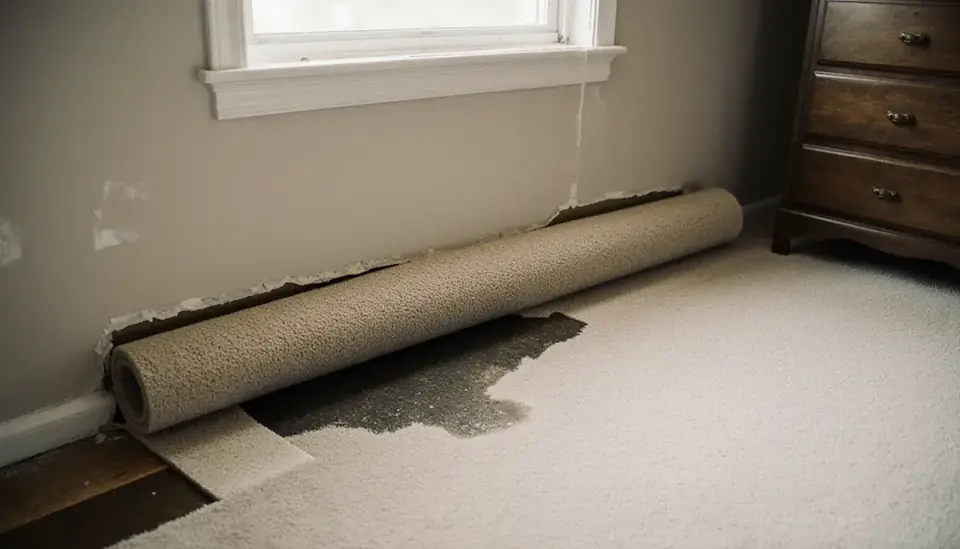
Standard homeowners policies cover many sudden plumbing failures but exclude flooding from creeks or rising water. Flood insurance through the National Flood Insurance Program or a private carrier is the coverage for that, and NFIP policies normally take 30 days to start, so buy before winter. Keep a list of contents, receipts for emergency work, and photos taken before anything is removed.
Where Callers in the Palo Alto Area Are
Calls come in from across Palo Alto, including:
- Professorville
- College Terrace
- Barron Park
The same line also serves nearby communities such as:
- Menlo Park
- East Palo Alto
- Mountain View
- Los Altos
- Los Altos Hills
- Stanford
- Portola Valley
Frequently Asked Questions
Who manages flood protection on San Francisquito Creek?
The San Francisquito Creek Joint Powers Authority, formed in 1999 after the 1998 flood, coordinates projects along the creek and the bay shoreline. Palo Alto is a member along with neighboring communities. Its website lists completed and ongoing projects and is the place to check for updates on work near your street.
Does Palo Alto's dry climate mean wet walls will dry on their own?
Not reliably. Most water damage here happens in winter, when the air is cooler and damper and houses are closed up. Plaster, framing and slab floors hold moisture well past the point where surfaces feel dry, and crawl spaces under older homes are slow to ventilate. Measured drying with dehumidifiers is the safer route, and it gives your insurer a record.
Can water damage in a historic Professorville house be repaired without losing original features?
Often, yes, if work starts quickly. Old-growth wood floors, trim and plaster can sometimes be dried in place with careful monitoring. Ask a restoration provider to note which materials can be saved before demolition begins, and check with the city about historic district rules before changing anything visible from the street.