
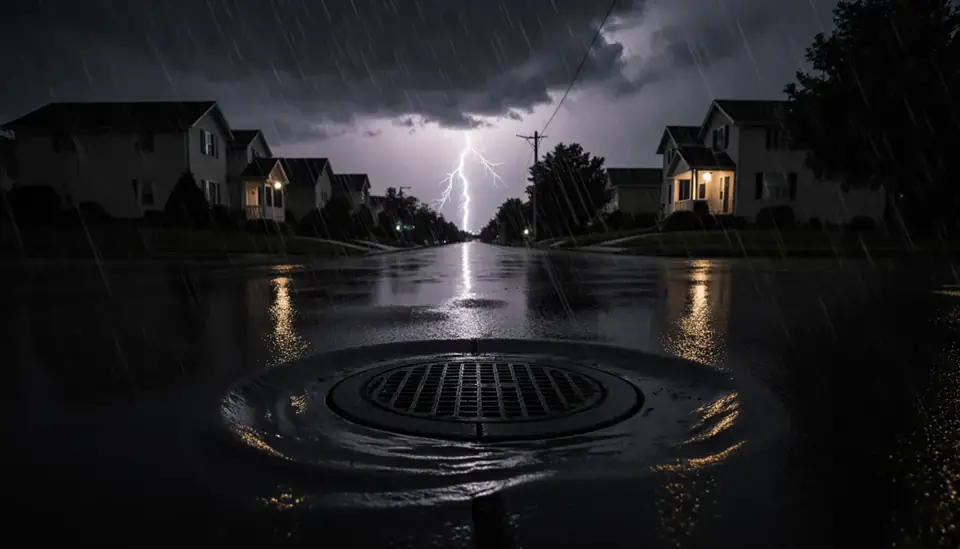
On October 24, 2021, Santa Rosa recorded 7.83 inches of rain, the wettest single day in its records. That storm was extreme, but heavy winter rain is normal here: the city averages about 32 inches a year, falling on roughly 74 days, and the 1982-83 season topped 55 inches. Most of that water moves through Santa Rosa Creek and its tributaries, Brush, Matanzas and Piner creeks, before reaching the Laguna de Santa Rosa on the west side of town.
The Restoration Job runs a free 24/7 line at (888) 317-9980 that connects Sonoma County callers with independent restoration providers. We aren't a contractor and don't perform the work. Many providers offer emergency response, though how quickly anyone can come depends on the company and on how many homes a storm has affected.
How the call works: when you call (888) 317-9980, The Restoration Job connects you with an independent restoration provider that serves Santa Rosa. That provider inspects the damage, explains the scope and quotes the work. The Restoration Job doesn't perform restoration itself. Read our referral disclosure.
Santa Rosa Creek, the Culvert Downtown and the Laguna
Santa Rosa Creek rises on Hood Mountain and crosses the city on its way to the Laguna de Santa Rosa, reaching it through the Santa Rosa Flood Control Channel. In the 1960s much of the creek through the core of the city was channelized, and the section between Santa Rosa Avenue and E Street still runs in a covered culvert. Restoration since then has opened up long stretches, now lined by the Prince Memorial Greenway.
The creek's lower reach is described as especially prone to flooding, and the west side drains into the broad, flat Laguna basin, where water collects slowly and leaves slowly. In heavy storms, problems near creeks and in low areas typically include:
- Street runoff entering garages and ground-floor rooms when inlets clog with leaves
- Water rising in crawl spaces as soils saturate
- Drains and lower-level plumbing backing up when sewer lines take on stormwater
Rebuilt Neighborhoods After the Tubbs Fire
Beginning the night of October 8, 2017, the Tubbs Fire destroyed about five percent of the city's homes, including most houses in Coffey Park and Fountain Grove. Many families have since rebuilt, which means fairly new homes alongside much older ones. New construction isn't immune to water problems. Fresh plumbing connections, newly installed roofs and grading around rebuilt foundations all need their first few rainy seasons to prove themselves, and an unnoticed leak at a fitting inside a new wall can do real damage before it shows.
Owners of rebuilt homes should keep their builder's plumbing and roofing information handy. If a leak points to a construction defect, documenting it carefully helps with any warranty or insurance claim.
Older Downtown Areas and Historic Homes
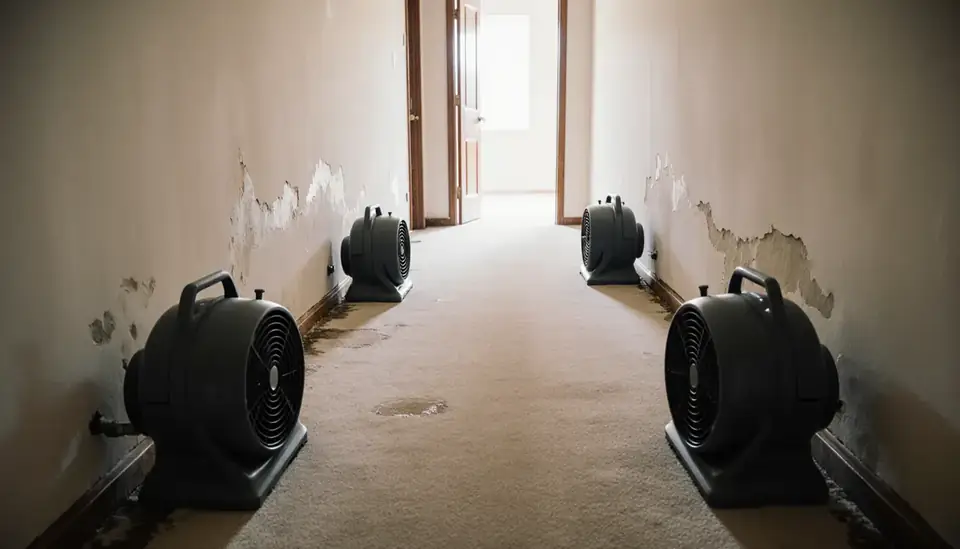
The 1906 earthquake largely destroyed the original downtown, so many central buildings date from the rebuilding that followed and later decades. Older districts such as Railroad Square and the Ridgway Historic District, and established neighborhoods like South Park, include houses that may have raised foundations, plaster walls and aging galvanized or cast-iron plumbing. Those homes tend to see slow drain-line leaks, crawl-space moisture and roof leaks at old flashing, and they do better with gradual, controlled drying that won't crack plaster or warp original floors.
Handling a Leak or Flood the Right Way
Stop the source, stay out of standing water if outlets or appliances are submerged, and take photos before moving things. A restoration crew will then remove water, determine what materials can be dried in place, and set dehumidifiers and air movers with daily moisture checks. Our storm damage cleanup page covers roof and wind-driven rain damage, and water damage restoration explains the full drying process.
Sonoma County's emergency office reminds residents that homeowners policies exclude flood damage and that a new flood policy typically takes up to 30 days to take effect, so buy coverage well before the rainy season rather than when a storm is forecast.

Mold Risk in Wet Sonoma County Winters
With rain on more than 70 days in a typical year and cool, damp winter air, wet materials in local homes don't dry quickly on their own. Insulation, carpet pad and the backs of cabinets can hold moisture for days and allow mold to start growing out of sight. A lingering musty smell, peeling paint or soft drywall after a storm are signs to get moisture checked. When mold is present, mold remediation removes affected materials and addresses the moisture source.
Where Callers in the Santa Rosa Area Are
Calls come in from across Santa Rosa, including:
- Coffey Park
- Fountain Grove
- Roseland
- Railroad Square
- South Park
- Bennett Valley
- Spring Lake
- Rincon Valley
- Ridgway Historic District
The same line also serves nearby communities such as:
- Rohnert Park
- Windsor
- Sebastopol
- Larkfield-Wikiup
- Kenwood
- Petaluma
Questions From Santa Rosa Property Owners
How do I sign up for flood and emergency alerts in Santa Rosa?
Sonoma County's Department of Emergency Management sends warnings through SoCo Alert and Nixle, and its website has a sign-up page. Register your home and any other addresses you care about. The National Weather Service's Bay Area office also issues flood watches and warnings for Sonoma County creeks when atmospheric rivers are forecast.
Is my home at risk if I live near a creek that's in a culvert or channel?
Channels and culverts move water efficiently in normal storms, but very heavy rain can exceed their capacity, and debris can block inlets. The lower reach of Santa Rosa Creek is noted as especially prone to flooding. Check your address on the FEMA Flood Map Service Center and keep storm drains near your property clear of leaves during the season.
Our rebuilt home has a leak inside a wall. What should we do first?
Shut off water to the affected line or at the main, then photograph the area and any visible damage. Contact your insurer and, if the home is still under a builder's warranty, the builder as well. A restoration provider can use moisture meters and thermal imaging to find how far water has spread inside the wall before any drywall is opened.