

Oakland runs from bay-level flats at the Port to hills more than 1,700 feet high near Grizzly Peak, and the rain doesn't fall evenly across that climb. The bayfront averages about 23 inches a year while parts of the hills see up to 30. On December 31, 2022, the city set a 24-hour record of 4.75 inches; during that run of storms, flooding closed I-580 in the city and the Oakland Zoo shut temporarily. Further back, the wettest rain year on record, 1997–98, delivered 47.76 inches.
The Restoration Job is a referral line, free and open 24/7 at (888) 317-9980, that links callers with independent restoration providers serving Oakland and the East Bay. We don't do the restoration work ourselves. Many providers offer emergency calls, but response times vary by company and by how many properties a storm affects.
How the call works: when you call (888) 317-9980, The Restoration Job connects you with an independent restoration provider that serves Oakland. That provider inspects the damage, explains the scope and quotes the work. The Restoration Job doesn't perform restoration itself. Read our referral disclosure.
Runoff From Montclair, Glenview and the Hills
Neighborhoods along the northeast hills, such as Montclair, Claremont and Crocker Highlands, get the heaviest rain and the steepest drainage. In long storms, water that can't soak into saturated slopes runs down driveways, retaining walls and stairways into lower floors and garages built into the hillside. Downhill homes in areas like Glenview, the Dimond District and Trestle Glen take that flow when street drains fill. Typical damage looks like:
- Water seeping through below-grade walls of hillside garages and basements
- Mud and debris carried against doors and into crawl-space vents
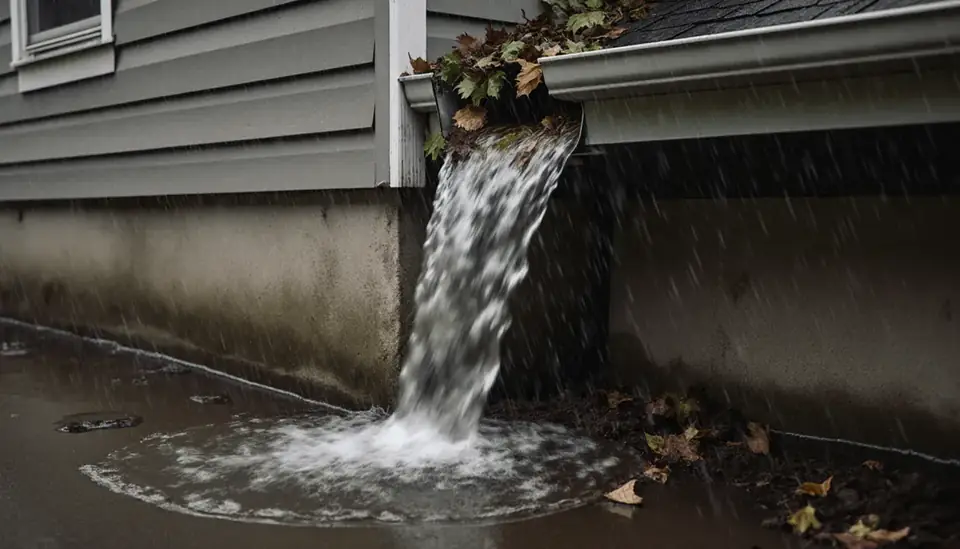
- Roof and gutter overflow from trees dropping leaves and branches in wind
For wind and tree damage, storm damage cleanup often has to start with temporary tarping before any interior drying makes sense.
Flatland Victorians in West Oakland
West Oakland sits at about 13 feet above sea level along the Port, and many of its late-19th-century Victorian houses are still standing, now mixed with newer condos, townhouses and lofts. Older homes here often have raised foundations, original plaster and decades of plumbing repairs layered together. Water from a failed pipe tends to run along joists and settle in the crawl space, where it can go unnoticed. Flat ground near the bay also drains slowly in heavy rain, so street water can sit against foundations longer than it does in the hills.
Lake Merritt, Creeks and the Waterfront
Lake Merritt is actually a tidal estuary, mixing fresh water with salt water that drains in and out from the bay, and the city has about 19 miles of shoreline. Creeks such as Temescal Creek, which reaches the bay at Emeryville, run partly through culverts beneath neighborhoods. The Alameda County Flood Control District maintains the creeks, channels, levees and pump stations across western Alameda County, but extreme rainfall can still exceed what local drains carry. Its family flood plan warns that 6 inches of moving water can knock a person down and 12 inches can sweep away a car.
After the Storm: Drying and Repairs
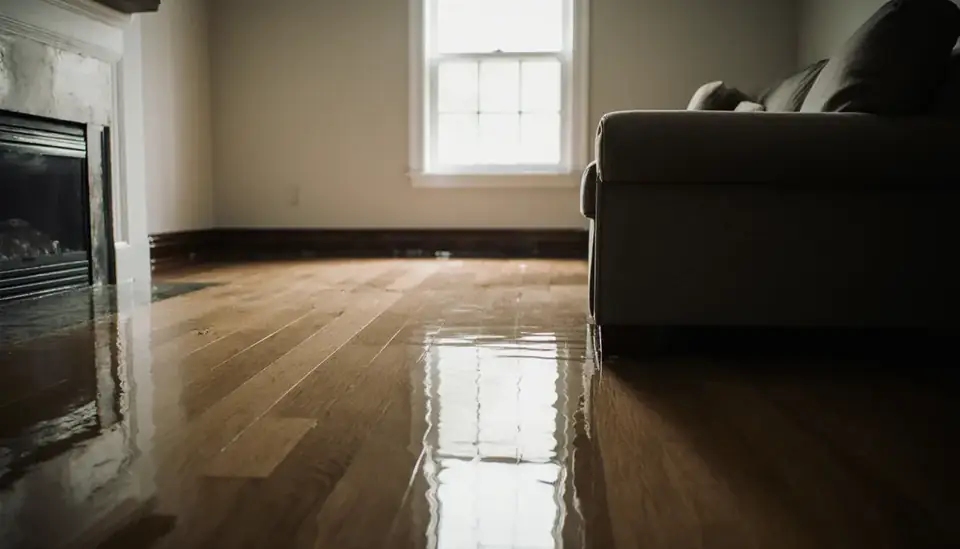
Once the water stops, photograph everything and call your insurer before tearing out materials. Storm runoff and floodwater should be treated as contaminated, so carpet, pad and lower drywall it soaked are usually removed. Clean water from a supply line can often be dried in place if work starts fast. A provider handling water damage restoration will typically extract standing water, open up wet cavities, and dry the structure with dehumidifiers and air movers, recording moisture readings each day. Remember that flood insurance is separate from homeowners coverage and usually has a 30-day waiting period.
Mold Under Old Floors and Shaded Hillsides
Cool, wet winters and the shade of hillside trees slow natural drying. Crawl spaces under older houses and below-grade rooms in the hills can hold moisture for weeks, giving mold time to grow on joists, subfloor and the back of drywall. A persistent musty smell is often the first clue. Dry the space quickly, fix the drainage or leak that caused it, and if growth is extensive, have the affected materials removed under containment.
Areas In and Around Oakland
Calls come in from across Oakland, including:
- West Oakland
- Fruitvale
- Montclair
- Claremont
- Glenview
- Crocker Highlands
- Trestle Glen
- Dimond District
- Adams Point
- Jingletown
The same line also serves nearby communities such as:
Common Questions
Why does my Oakland hillside garage flood in heavy rain?
Garages and lower rooms built into slopes sit below the surrounding ground, so saturated soil pushes water through walls and slab joints, and surface runoff can flow straight to the door. Clear gutters and drains above the house, check that downspouts carry water away, and keep stored items off the floor. A drainage contractor can assess the slope once the space is dried.
What should I do first after a pipe bursts in an older West Oakland house?
Close the main shutoff, usually at the meter or where the supply line enters the house. Turn off power to wet rooms if the panel is safe to reach. Check the crawl space with a flashlight, since water often collects there out of sight. Photograph damage, then call your insurer and a restoration provider to start drying.
Is homeowners insurance enough for storm flooding near Lake Merritt or the flats?
Usually not. Homeowners policies generally exclude water that rises from outside, including street and creek flooding. A separate flood policy covers that, and NFIP policies typically begin 30 days after purchase. Look up your address on the FEMA Flood Map Service Center and talk with your agent before the rainy season.