
Santa Clara's history with water goes back to its founding. Mission Santa Clara de Asís was established beside the Guadalupe River in January 1777, and floods destroyed the first structure two years later; flooding, fires and earthquakes kept forcing the mission to move to higher ground. Today the river forms the city's eastern boundary, and three seasonal creeks, San Tomas Aquino, Saratoga and Calabazas, cross the city on their way to the bay.
Calls to The Restoration Job at (888) 317-9980 are free and answered 24/7. We connect you with independent restoration providers serving this part of the South Bay; we don't do the restoration work. Plenty of providers offer emergency service, though no specific company's timing can be promised, especially after a regionwide storm.
How the call works: when you call (888) 317-9980, The Restoration Job connects you with an independent restoration provider that serves Santa Clara. That provider inspects the damage, explains the scope and quotes the work. The Restoration Job doesn't perform restoration itself. Read our referral disclosure.
Creeks You Can't Always See
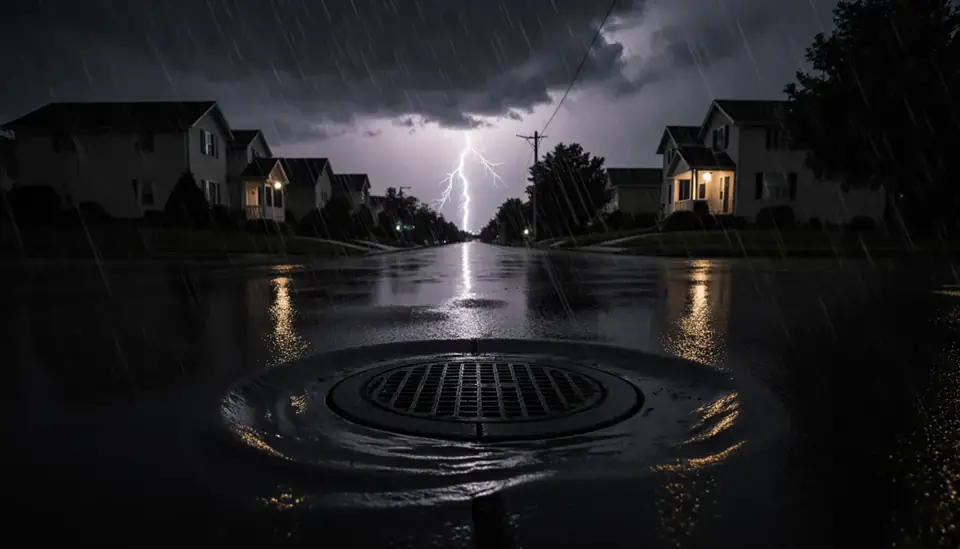
Much of San Tomas Aquino Creek runs underground or in a channel beside San Tomas Expressway before it joins Saratoga Creek just south of Monroe Avenue, near Levi's Stadium. Saratoga Creek travels about 13.8 miles across the valley floor through San Jose and Santa Clara to Guadalupe Slough. Because these waterways are channeled and partly hidden, it's easy to forget how much runoff they carry in a big storm. When culverts and storm drains back up, water spreads across low streets and parking lots and finds its way into garages, ground-floor units and commercial spaces.
The Guadalupe on the City's Eastern Edge
The Guadalupe River has flooded 15 times since World War II, with federal disaster declarations after the 1995 and 1997 floods. Valley Water's flood protection project along the river was largely finished in late 2008, lowering risk for both San Jose and Santa Clara. Even so, properties near the river and on the flat ground toward the bay are worth checking against FEMA flood maps, and flood insurance is the only policy that covers water rising from outside. Valley Water offers a lookup at valleywater.org/floodzone and free filled sandbags for county residents.

Renters, Shared Walls and Commercial Space
More than half of the city's housing units are renter-occupied. Shared buildings, along with offices and commercial space, shape how water damage plays out:
- In apartments, a failed water heater or washing machine hose in one unit can spread through shared walls and ceilings to neighbors.
- Tenants should notify the landlord in writing and photograph damage; the owner handles the building, and renters insurance covers personal belongings.
- For offices and server rooms, a sprinkler discharge or roof drain backup can affect raised floors and ceilings across a whole suite, so building management should be involved from the first call.
For a business, water extraction and fast moisture mapping help limit how much of the space has to close.
A Santa Clara Leak: The First 24 Hours
Shut off water at the closest valve or the main. If water has reached outlets, cords or the panel area, keep clear and turn off power only if you can do so safely. Photograph the source and all wet areas before moving anything, and call your insurer to open a claim. Remove rugs and furniture from wet floors, and avoid running central heat or air if ducts may be wet. A provider performing structural drying will set up dehumidifiers and air movers and track readings until walls, floors and framing reach normal levels.
Mold After a Winter Leak
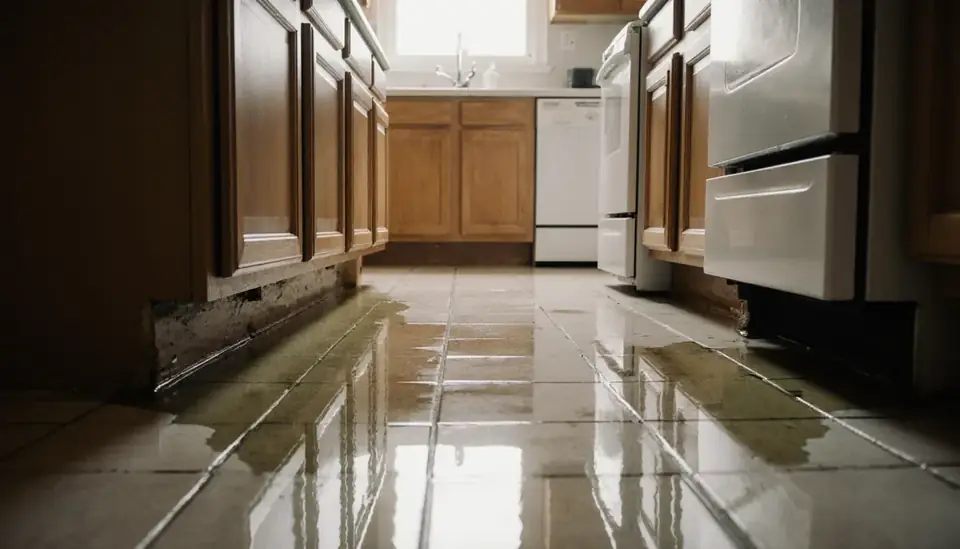
Santa Clara averages around 14.5 inches of rain a year, nearly all of it in winter, and that is when most mold problems begin. A roof leak in January or a slow plumbing drip behind a cabinet stays damp in a closed-up house, and mold can appear on drywall, carpet pad and cabinet backs within days. Surface cleaning doesn't fix growth inside walls. If you notice a musty odor or staining that keeps coming back, have the moisture source found first, then the affected materials removed and the area dried.
Where Callers in the Santa Clara Area Are
The same line also serves nearby communities such as:
Questions From Santa Clara Property Owners
Can buried or channeled creeks still cause flooding near my Santa Clara property?
Yes. Channels and culverts carry a lot of water but have limits, and debris or extreme rainfall can cause backups onto nearby streets. Properties at low points or near creek crossings tend to see standing water first. Check your address on FEMA's Flood Map Service Center, keep the storm drain in front of your home clear of leaves, and watch for ponding during long storms.
A leak in the unit next door soaked my wall. Is that my landlord's problem or mine?
It depends on where the water came from and the lease. Generally, the property owner is responsible for the building itself, including walls, ceilings and flooring, while your renters insurance covers your belongings. If a neighbor's negligence caused the leak, insurers may sort out liability later. Report the damage to the landlord in writing right away and keep photos.
Is a sprinkler discharge in an office treated like a pipe leak?
In most cases it's treated as a sudden water release, but sprinkler water that has sat in pipes can be dirty, so carpet and ceiling tiles are often replaced rather than dried. Bring in building management and your tenant insurer early. Restoration providers commonly work after hours in commercial space to limit downtime, though that depends on the company.