
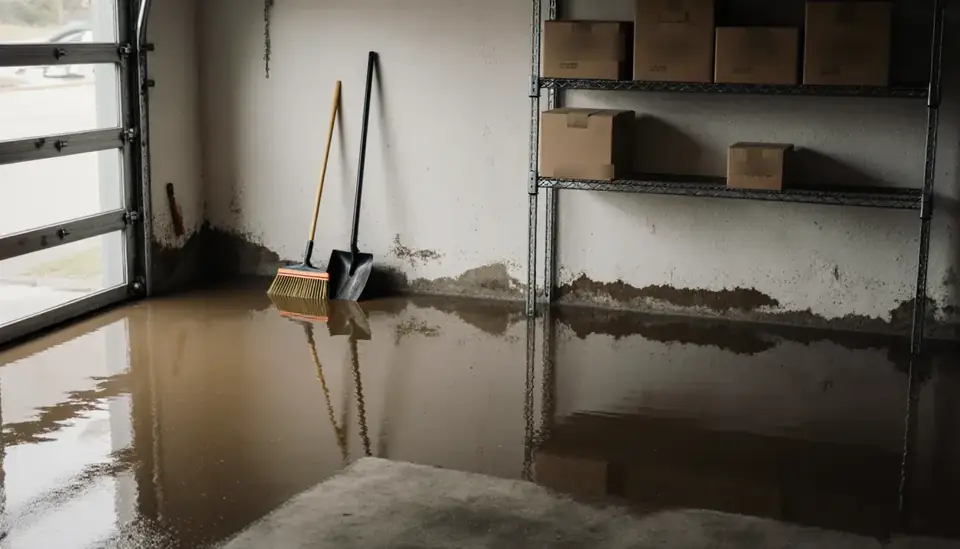
Two waterways run the length of San Jose before emptying into the south end of the bay: the Guadalupe River, fed by Los Gatos Creek, and Coyote Creek to the east. Flooding has shaped the city from the start. In 1791 the Spanish pueblo was moved about a mile south because the original site kept going under water, and at Alviso, on the northern edge, the land sits 13 feet below sea level, the lowest point in the Bay Area.
The Restoration Job runs a free phone line, staffed 24/7 at (888) 317-9980, that puts you in touch with independent restoration providers working in San Jose and the rest of Santa Clara County. The company refers calls; it doesn't send its own workers. Many providers offer emergency response, but timing depends on the company and on how widespread the damage is.
How the call works: when you call (888) 317-9980, The Restoration Job connects you with an independent restoration provider that serves San Jose. That provider inspects the damage, explains the scope and quotes the work. The Restoration Job doesn't perform restoration itself. Read our referral disclosure.
February 2017: When Coyote Creek Left Its Banks
After heavy rain on February 20 and 21, 2017, Anderson Reservoir rose to 104 percent of capacity and spilled into Coyote Creek. The creek hit a record 14.4 feet and flooded neighborhoods along US 101. About 14,000 people were forced from their homes, nearly 500 homes were evacuated near Senter Road and Phelan Avenue, and repair costs were estimated at more than $100 million. It was the creek's worst flood since 1997.
Water that rises out of a creek is excluded from standard homeowners policies, so a separate flood policy is the only coverage for that kind of loss. The flood also showed that reservoir releases far upstream can decide what happens on a residential street miles away, which is worth remembering when a wet winter fills local reservoirs. Statewide storm patterns are covered on our California page.
The Guadalupe River Through Downtown
The Guadalupe has flooded 15 times since World War II. Its largest recorded flood, in 1955, covered 8,300 acres, and federal disaster declarations followed floods in 1995 and 1997. In March 1995 water around the arena downtown even forced the cancellation of a Sharks game. Valley Water's flood protection work along the river was largely completed in late 2008, which reduced risk through downtown, but heavy storms still test storm drains, underpasses and low streets near the channel.

Alviso and the Low Ground by the Bay
Alviso is a special case. Because the area is below sea level and built on former marshland, it depends on levees and pumps. The floods of the early 1980s left water as deep as 10 feet in places, Alviso flooded again in 1995, and in 2014 overwhelmed pumps let water into the neighborhood. For homes here, the questions that matter are whether the property is in a FEMA flood zone, where the nearest high ground is, and how quickly water can be pumped out of a crawl space or garage once it gets in.
San Jose Homes: The First Hours After a Leak or Flood
Most water damage across the city still starts inside: a burst supply line, a water heater giving out in the garage, or a roof leak found with the first big storm of the season. Whatever the source:
- Stop the water at the fixture or main shutoff, and turn off power to wet areas if it is safe to reach the panel.
- Photograph everything before moving it, including the source.
- Treat creek or street floodwater as contaminated and keep children and pets away from it.
- Call your insurer early and ask about the claim process before tearing anything out.
A provider handling flood cleanup or water damage repair will typically extract standing water, remove soaked flooring and drywall where needed, and set up drying equipment with daily moisture checks.
Dry Summers Don't Prevent Mold
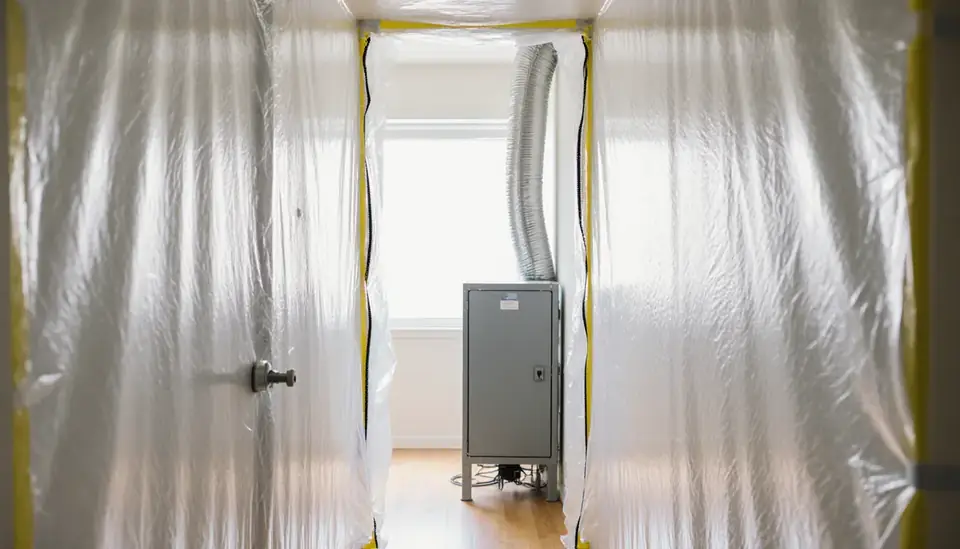
The valley's climate is dry for much of the year, so people sometimes expect wet materials to dry on their own. Inside a closed house in winter, they often don't. Wet drywall, carpet pad and wall insulation can grow mold within days, especially in rooms on slab floors or above damp crawl spaces. Mold removal is far easier when drying starts early; if growth is already visible or there is a musty smell, a professional assessment can find how far moisture has spread behind finished surfaces.
Neighborhoods and Nearby Communities
Calls come in from across San Jose, including:
- Alviso
- Japantown
- Rose Garden
- Almaden Valley
- Evergreen Valley
- Little Saigon
- Coyote Valley
The same line also serves nearby communities such as:
- Santa Clara
- Sunnyvale
- Milpitas
- Campbell
- Cupertino
- Los Gatos
- Morgan Hill
Frequently Asked Questions
Where can I get free sandbags in San Jose?
Valley Water, the county's flood protection agency, offers free filled sandbags to Santa Clara County residents at its distribution sites. Check its Be Flood Ready page for current locations and pick bags up before a storm, when lines are short. Place them at the lowest doors and garage openings; they slow water but won't seal a building.
How do I know if my San Jose home is in a flood zone?
Valley Water points residents to valleywater.org/floodzone to look up FEMA flood zones, and you can also search the FEMA Flood Map Service Center by address. A low-risk designation doesn't mean no risk, especially for homes near Coyote Creek, the Guadalupe or the bayland edge. Flood insurance carries a 30-day waiting period, so buy it before the rainy season.
Is water from a flooded creek handled differently from a pipe leak?
Yes. Creek and street floodwater picks up sewage, fuel and debris, so porous materials it touched, like carpet, pad and lower drywall, are usually removed rather than dried in place. Clean water from a supply line can often be dried if it's caught quickly. Insurance treats them differently too: a pipe leak may be covered by homeowners insurance, while outside flooding requires a flood policy.