
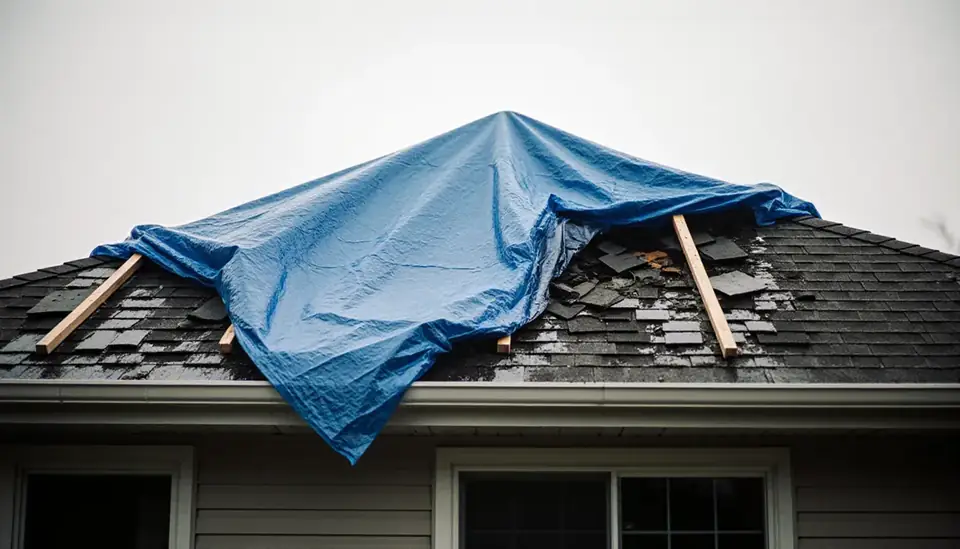
Water surrounds Brunswick on nearly every side. The city occupies a peninsula with the Turtle River to the west, the East River along its waterfront, the Brunswick River to the south and the Mackay River and Intracoastal Waterway beyond the marshes to the east. At roughly 10 to 14 feet above sea level, it is one of the lowest-lying cities in Georgia, and the history of flooding here is long.
For help right now, call (888) 317-9980. The Restoration Job is a free, round-the-clock referral line that connects you with an independent restoration company serving Glynn County. That provider, not The Restoration Job, carries out the cleanup, drying and repairs on your property.
How the call works: when you call (888) 317-9980, The Restoration Job connects you with an independent restoration provider that serves Brunswick. That provider inspects the damage, explains the scope and quotes the work. The Restoration Job doesn't perform restoration itself. Read our referral disclosure.
A Peninsula City With a Long Surge History
Brunswick's worst floods came from the sea. A hurricane in 1893 put the city under about six feet of water, and the 1898 hurricane drove a storm surge of roughly 16 feet into town and killed 179 people. Modern storms have been less severe here, but they still matter. During Hurricane Matthew in October 2016, the National Weather Service in Jacksonville logged tree damage and structural damage in Brunswick, and during Hurricane Irma in September 2017 the Glynco airport north of town recorded gusts near 60 mph. Hurricane Idalia in August 2023 dropped a little over four inches of rain on Brunswick.
Because so much of the city sits only a few feet above the high marsh, the type of water that enters a building matters. Tidal or surge water is salty and dirty. Rainwater that ponds in low streets picks up sediment and runoff. Either one counts as floodwater, and porous materials it soaks, such as drywall, insulation and carpet, are usually removed rather than saved. Professional flood cleanup includes that tear-out plus cleaning and disinfecting what remains.
Old Town's Victorian Houses and Raised Floors
The Old Town Historic District preserves the street grid and squares laid out in the 1771 town plan, and Union Street is lined with nineteenth-century homes. Many older houses in and around the district stand on raised foundations, with wood floors, plaster walls and crawl spaces below. Those features change how water damage plays out:
- Water under a raised floor can sit in the crawl space long after the street drains, keeping joists and subfloor damp.
- Plaster on wood lath holds moisture differently from drywall and may need specialized drying rather than demolition.
- Heart pine and other old-growth flooring can often be dried in place if work starts quickly.
- Roof valleys, chimney flashing and old box gutters are frequent leak points when wind drives rain sideways.
If the building is a contributing structure in a historic district, ask the city what approvals are needed before replacing windows, siding or porches.
Drying a Building Near the Marsh
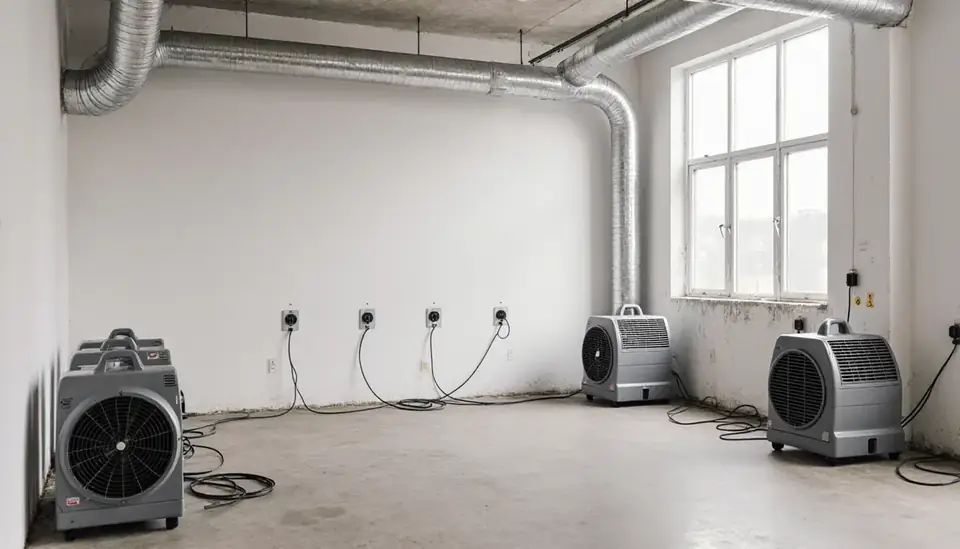
Outdoor humidity in coastal Glynn County stays high for much of the year, so opening windows rarely dries a wet house. A restoration crew will typically close up the building, run the air conditioning if it is safe to do so, and bring in dehumidifiers and air movers matched to the wet area. In crawl-space homes, that may mean drying under the house as well, sometimes with temporary barriers to keep humid outside air from flowing back in. Ask for daily moisture readings; they show whether materials are actually drying or just feeling dry on the surface. Thorough structural drying of framing and subfloors is what keeps odors and decay from showing up months later.
Mold Risk After Flooding in Glynn County
Warm temperatures and damp air give mold a long growing season here. After a flood or a long-running leak, check closets on exterior walls, the backs of base cabinets, wallpapered rooms and the underside of the floor in crawl spaces. Surface mildew on a hard, nonporous surface can usually be cleaned. Growth inside drywall, insulation or old plaster cavities generally needs removal under containment so spores are not spread through the rest of the house. Fixing the moisture source comes first; cleaning without drying only buys a few weeks.

Flood Maps, Insurance and the County's CRS Rating
Flood damage from tides, surge or rising rainwater is excluded from standard homeowners policies, so check whether you carry a separate flood policy before a storm is in the forecast. Unincorporated Glynn County participates in FEMA's Community Rating System at Class 5, which provides a 25 percent discount on flood insurance premiums there; property inside city limits falls under the city's own floodplain program, so ask your agent which rules apply to your address. Look up your flood zone on FEMA's map service center, keep any elevation certificate with your insurance papers, and photograph everything before tear-out begins. Island residents have similar questions, which our St. Simons Island page covers.
Brunswick Neighborhoods and Surrounding Towns
Calls come in from across Brunswick, including:
- Old Town
The same line also serves nearby communities such as:
- St. Simons Island
- Country Club Estates
- Dock Junction
- Jekyll Island
- Sea Island
- Kingsland
Brunswick Water Damage Questions
Why does Brunswick flood so easily?
The city sits on a low peninsula, roughly 10 to 14 feet above sea level, with rivers and salt marsh on almost every side. High tides, storm surge and heavy rain can all push water into low streets and yards, and drainage slows when tides are high. Historical hurricanes in 1893 and 1898 caused deep flooding, so knowing your flood zone and evacuation plan is worthwhile.
Can plaster walls in an older Old Town home be saved after a leak?
Often, yes, if the water was clean and drying starts quickly. Plaster over wood lath tolerates brief wetting better than drywall, and a restoration provider may be able to dry it in place with dehumidifiers and air movers while monitoring moisture. Plaster soaked by floodwater or that has lost its bond to the lath usually needs repair. Ask about the building's historic status before replacing original materials.
What should I do if salt water came into my house during a storm?
Stay out until power is confirmed safe, then document everything with photos and video. Salt water and storm surge are treated as contaminated floodwater, so wet carpet, padding, drywall and insulation are typically removed and the remaining surfaces cleaned and dried. Contact your flood insurer promptly, since standard homeowners policies usually exclude surge and rising water.
Does The Restoration Job send someone to my home?
No. This is a free referral line rather than a contractor. When you call (888) 317-9980, you are connected with an independent restoration provider serving Glynn County. That company provides its own estimate, schedule and equipment, so ask about its experience with crawl-space homes and flood claims before you agree to the work.