
Tybee Island is about three square miles of sand at the edge of the Atlantic, sitting roughly 10 feet above sea level with the mouth of the Savannah River to the north, Tybee Creek along the south shore and Lazaretto Creek cutting it off from McQueens Island to the west. One road, U.S. 80, links it to the mainland. On ground this low and this exposed, water arrives from every side: ocean surge, tidal creeks backing up, and heavy rain with nowhere to drain.
Our line is a free referral service that answers 24/7. Call (888) 317-9980 and we'll connect you with an independent restoration provider that serves the island and the rest of Chatham County. The provider handles the assessment, cleanup and drying; we make the introduction.
How the call works: when you call (888) 317-9980, The Restoration Job connects you with an independent restoration provider that serves Tybee Island. That provider inspects the damage, explains the scope and quotes the work. The Restoration Job doesn't perform restoration itself. Read our referral disclosure.
Surge at the Mouth of the Savannah River
The closest long-running tide gauge sits at Fort Pulaski, just across the water from the island's north end, and it tells the story of recent hurricanes. The National Weather Service in Charleston recorded a peak storm tide there of 12.56 feet above mean lower low water in Hurricane Matthew in October 2016, with surge of 7.69 feet. Less than a year later, Irma pushed the gauge to 12.24 feet, then the second highest reading on record. NWS storm reports from both events include damage photos taken on Tybee.
Surge water is saltwater mixed with sand, marsh debris and whatever it picked up from streets and drains. Once it gets into a house, drywall, insulation and flooring it touched generally need to come out, and wiring and appliances should be checked before use. That is flood cleanup, not a mop-and-fan job.
Nine Repetitive Loss Areas and Tybee's Flood Zones
The city has mapped nine repetitive loss areas, parts of the island with a history of flood claims, and publishes an analysis report so owners can see the patterns. Most of the island falls in FEMA's A, AE or VE zones. VE is the coastal high hazard area where waves add force to rising water.
Rebuilding rules follow from that. Tybee requires one foot of freeboard above the base flood elevation for new and substantially improved buildings in the 100-year floodplain, and when repairs or renovations exceed 50% of a home's value, the whole structure must meet current flood requirements. An affidavit for reconstruction applies at that threshold, and the city requires a building permit for renovations and remodeling. Ask about these limits before any contractor starts tearing out walls, because the scope of repair can change the answer.

Storm Season: Evacuation, Re-Entry and the First Walkthrough
The island sits in Chatham County's Zone A, the area east of the Truman Parkway and the Vernon River, so it is among the first places told to leave when a hurricane threatens. Before you go, photograph each room, move valuables upstairs or onto high shelves, and shut off the main water valve. CEMA's re-entry guide explains when residents can return across U.S. 80.
When you get back:
- Check for structural damage, downed lines and gas odors before going inside.
- Photograph waterlines on walls and every damaged item before discarding anything.
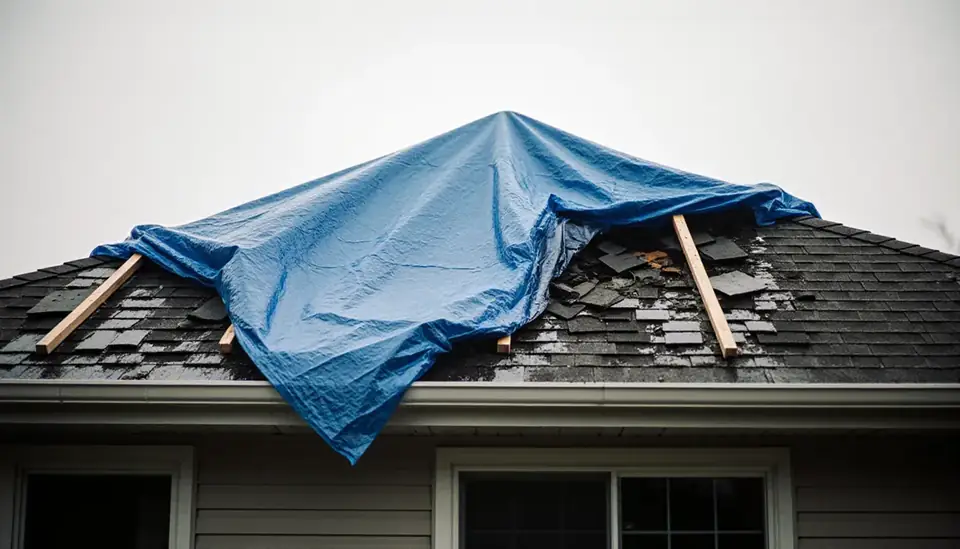
- Cover roof or window openings to keep the next rain out; storm damage cleanup often starts with tarping.
- Open the house up and start moving air while you wait for help.
- Call your flood carrier and homeowners carrier separately; most homeowners policies do not cover flooding.
Salt Air, Humidity and Mold in Island Homes
Ocean air keeps humidity high most of the year, and homes that sit closed up between visits are especially prone to trouble. A slow leak under an upstairs bathroom or a sweating air handler can run for weeks in an empty rental before anyone sees it, and by then the subfloor and wall cavities are often stained and musty.
Mold needs moisture more than anything else, so drying fast is the first defense. After surge or a long leak, have moisture readings taken inside walls and floors, not only on surfaces. If growth is already visible or a room smells sour, mold remediation with containment keeps spores from drifting into clean parts of the house. Owners who are away for long stretches can ask a neighbor or property manager to check in after storms and heavy rain.
Older Cottages Near Fort Screven
The north end includes the Fort Screven Historic District, built around the Army post commissioned in 1898 and closed in 1947. Island development picked up after the railroad arrived from Savannah in 1887 and again when U.S. 80 opened in the 1920s, so the island holds buildings from many decades. Many older structures predate today's elevation rules, and older framing, plaster and wood floors may need slower, more careful drying than new drywall.
For any water damage on Tybee Island, ask the provider to document moisture levels at each visit so you can show your insurer, and the city if needed, how the structure was dried and when it was ready to close up.
Where Callers in the Tybee Island Area Are
Calls come in from across Tybee Island, including:
- Fort Screven Historic District
The same line also serves nearby communities such as:
- Wilmington Island
- Whitemarsh Island
- Thunderbolt
- Savannah
- Skidaway Island
Tybee Island Water Damage Questions
Will flood insurance cover my Tybee Island rental or second home?
Flood policies through the National Flood Insurance Program can cover non-primary homes, though coverage, especially for contents and basements or enclosures below the elevated floor, has limits. Homeowners and landlord policies usually exclude flood entirely. Because the island has many properties in high-risk AE and VE zones, confirm both policies before hurricane season and keep an inventory with photos.
What happens if repairs cost more than half my home's value?
Tybee follows the 50% substantial damage and improvement rule. If the cost of repairs or renovations crosses that threshold, the building has to be brought into compliance with current flood requirements, which can mean elevating it to at least one foot above base flood elevation. The city requires an affidavit for reconstruction, so talk with the building department before committing to a rebuild.
How soon can I get back on the island after a hurricane?
Re-entry is controlled by local officials, and U.S. 80 is the only road on and off the island. Chatham Emergency Management Agency publishes a re-entry guide and sends alerts through its registration system. Sign up before the season so you hear when access opens, and bring photos and paperwork so you can start documenting damage right away.
Is saltwater flooding harder to clean up than a pipe leak?
Yes. Saltwater from surge or high tide carries sand, debris and contaminants, and the salt left behind can keep drawing moisture into materials. Porous items that soaked in it usually need removal, and metal fixtures, ductwork and electrical components should be inspected. By contrast, fresh water from a broken pipe that is found quickly can usually be dried without much demolition.