

Wilmington Island is an unincorporated community of about 15,000 people east of Savannah, set between the town of Thunderbolt and the beach at Tybee. Nearly 14% of its 9.5 square miles is water. The tidal Wilmington River runs along its western side on the way from the Savannah River to Wassaw Sound, and marsh and tidal creeks wrap around the rest. With most ground near 10 feet above sea level, homes here face rain, high tides and hurricane surge, sometimes all in the same week.
Our 24/7 phone line is a free referral service. Call (888) 317-9980 and we'll connect you with an independent restoration provider that works on the islands east of Savannah. The provider handles extraction, drying, cleanup and repairs.
How the call works: when you call (888) 317-9980, The Restoration Job connects you with an independent restoration provider that serves Wilmington Island. That provider inspects the damage, explains the scope and quotes the work. The Restoration Job doesn't perform restoration itself. Read our referral disclosure.
Living Between the Wilmington River and the Marsh
The Wilmington River is tidal along its full 17-mile length, so the water level at the back of a waterfront lot rises and falls twice a day. Normal tides are rarely a problem for homes, but when an onshore wind, a full or new moon and heavy rain stack up, creeks and marsh edges can push into yards and low driveways. Storm drains that empty toward tidal water also drain slowly when the tide is high.
Chatham County notes that low-lying coastal areas flood from long periods of moderate rain as well as short, intense downpours, and that hurricane flooding here goes back at least to 1811. When water from outside reaches living space, treat it as floodwater: wet drywall and insulation below the waterline usually come out, and the space should be cleaned and disinfected before drying. Our page on flood cleanup covers what that involves.
Surge Readings From Nearby Fort Pulaski
The nearest long-term tide gauge sits at Fort Pulaski, near the mouth of the Savannah River. The National Weather Service recorded storm tides there of 12.56 feet above mean lower low water during Hurricane Matthew in 2016 and 12.24 feet during Irma the next year. Water that high moves up the rivers and creeks around the island.
Wilmington Island lies in Chatham County's Zone A, the area east of the Truman Parkway and the Vernon River, which is the first to be ordered out when a hurricane threatens. CEMA can provide information on potential storm surge depths for a property. Before leaving, shut off the main water and power if instructed, move valuables off the floor, and photograph each room. After the storm, check for structural damage before entering, then document waterlines and damaged items before any cleanup begins.
County Rules When You Rebuild
Because the island is unincorporated, Chatham County's floodplain rules apply rather than a city's. They are stricter than many places in Georgia:
- New homes and certain other structures must be built three feet above the 100-year base flood elevation.
- If an existing home's lowest floor is below that level and repair or renovation costs exceed 50% of its fair market value, the lowest floor must be raised to at least base flood elevation plus three feet.
- Building permits are required before construction in flood zones, through the county's Building Safety and Regulatory Services department.
Those rules can change a repair plan, so get an estimate of total costs early and talk with the county before major rebuilding. Emergency water removal and structural drying should still happen right away to limit further loss.
Island Humidity and Mold Prevention
Surrounded by marsh and tidal water, the island stays humid most of the year. Drywall, wood framing and carpet pad that get wet do not dry on their own in that air, and mold can start within a day or two. Closets on exterior walls, bathrooms and spaces under sinks are frequent trouble spots after a leak.
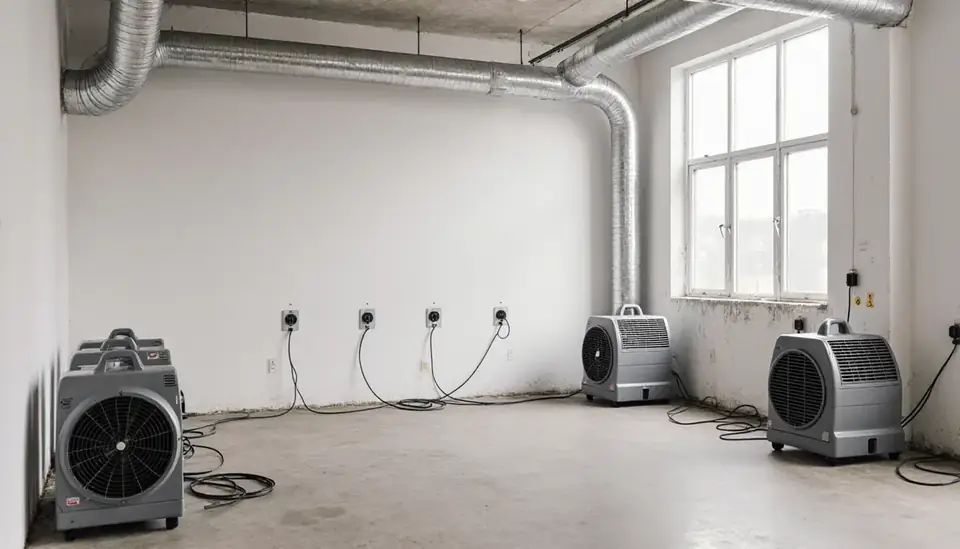
Run dehumidifiers and keep the air conditioning on after any water event, but understand that these will not dry the inside of a wall. Professional moisture readings show where water is hiding. If you see growth or smell mustiness that does not fade, plan for mold remediation with containment and removal of affected materials.
Insurance Points for Island Homeowners
Homeowners insurance does not cover flood damage, whether from surge, tidal creeks or rainwater rising from outside. Flood coverage is separate and normally takes 30 days to take effect, so it cannot be bought at the last minute. Unincorporated Chatham County participates in FEMA's Community Rating System, and the county reports a 25% premium discount for policies in high-risk zones and 10% for lower-risk X zones.
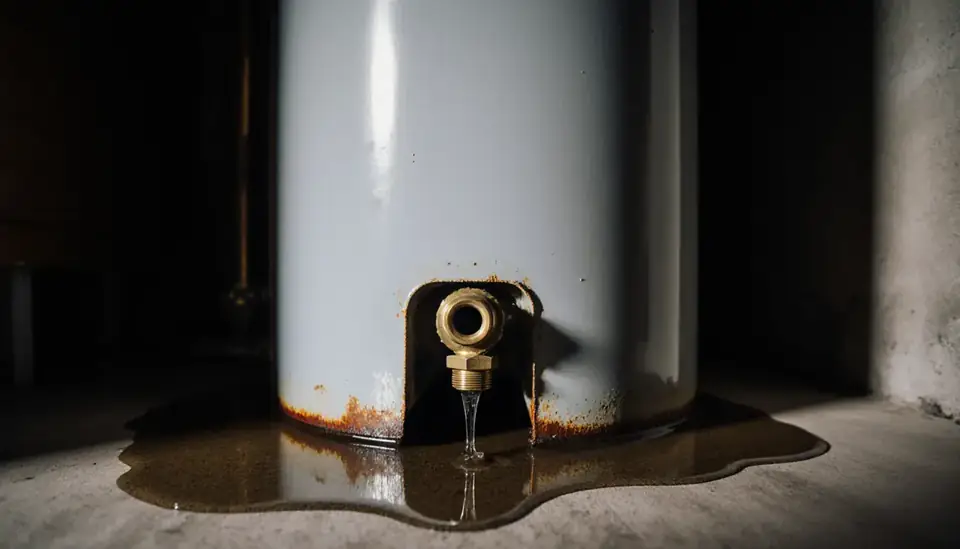
Burst pipes, failed water heaters and roof leaks from wind damage typically fall under homeowners coverage instead. Keep receipts for emergency services and take photos at every stage. For water damage restoration on Wilmington Island after either kind of event, a provider's moisture logs and photos give your adjuster a clear record of what happened and why materials were removed.
Neighborhoods and Nearby Communities
The same line also serves nearby communities such as:
- Whitemarsh Island
- Thunderbolt
- Tybee Island
- Savannah
- Skidaway Island
Questions From Wilmington Island Property Owners
Is Wilmington Island in a flood zone?
Much of it is low ground near tidal water. Unincorporated Chatham County maps properties into zones ranging from lower-risk X and X-500 areas to high-risk AE and VE zones. The answer depends on your specific lot and elevation. Look up your address on FEMA's Flood Map Service Center or contact Chatham County's floodplain administrator, who can provide flood zone information for unincorporated properties.
Do I need a permit to repair flood damage on Wilmington Island?
For anything beyond emergency drying and cleanup, likely yes. Chatham County requires building permits before construction in flood zones, and the 50% substantial damage rule can require elevating a home if repair costs are high enough. Contact the county's Building Safety and Regulatory Services department before rebuilding walls, replacing systems or making structural changes.
What can I do to keep streets and yards from flooding after storms?
Keep yard waste out of streets and storm drains. Chatham County specifically warns against sweeping or blowing leaves and clippings into the stormwater system, since debris blocks pipes. Report clogged drainage to the county's Public Works department. Around your home, keep gutters clear, extend downspouts away from the foundation and make sure the ground slopes away from the house.