
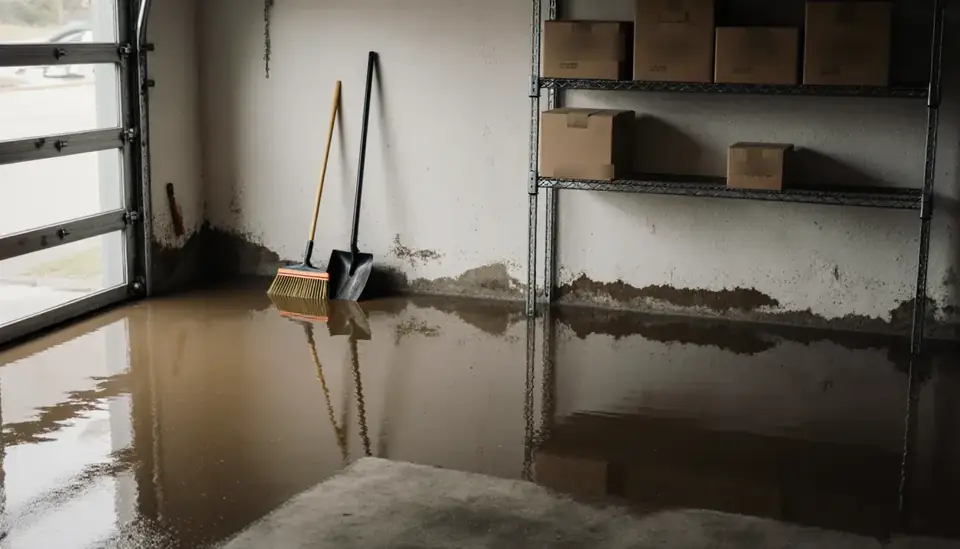
Two rivers that start in the north Georgia mountains, the Conasauga and the Coosawattee, meet in northern Gordon County to form the Oostanaula, and that combined river runs right past Calhoun on its way to Rome. Oothkalooga Creek joins it at the edge of town. So the city collects water from a much larger area than its own 16 square miles, and a wet week upstream can show up here as rising water near the river and creek even when local rainfall was moderate.
The Restoration Job is a no-cost referral line answered 24/7. Call (888) 317-9980 and we'll connect you with an independent restoration provider that serves Calhoun and Gordon County, whether you are dealing with a flooded crawl space, a roof opened up by a fallen limb or a split pipe after a freeze.
How the call works: when you call (888) 317-9980, The Restoration Job connects you with an independent restoration provider that serves Calhoun. That provider inspects the damage, explains the scope and quotes the work. The Restoration Job doesn't perform restoration itself. Read our referral disclosure.
Living Downstream of the Conasauga and Coosawattee
The Oostanaula is about 49 miles long and drains a broad slice of northwest Georgia, including the Conasauga basin around Dalton and the Coosawattee basin to the east. Gordon County itself is split between the Coosawattee and Oostanaula sub-basins, with a sliver of the Conasauga at the north end. For property owners, the practical point is that river levels near Calhoun reflect rain that fell across several counties, often a day or more earlier.
Low ground along the river, along Oothkalooga Creek and along the smaller drainages that feed them is where water usually reaches buildings first. Before buying, renovating or finishing a lower level, look up the property on the FEMA flood map, and remember that standard homeowners insurance does not cover flooding from rising water. Separate flood coverage typically has a waiting period before it takes effect, so it is not something to buy the week a river forecast looks bad.
What Cleanup Looks Like After River or Creek Water Gets In
Water that comes in from outside carries soil, fuel, fertilizer and sewage from wherever it traveled, and restoration providers treat it as contaminated. The general sequence for flood cleanup in a Gordon County home looks like this:
- Confirm power is off to affected areas and that the structure is safe to enter.
- Pump out standing water and extract what remains from floors.
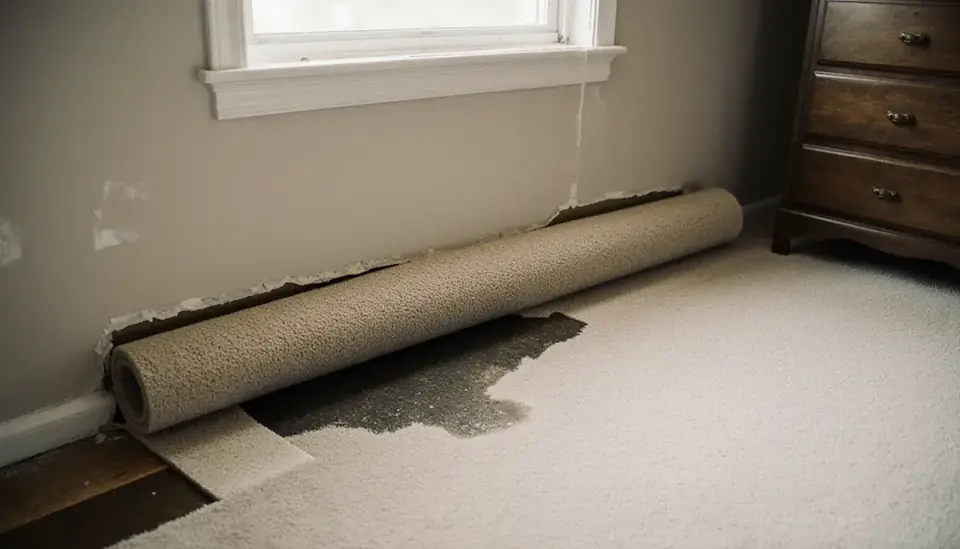
- Remove soaked carpet, pad, insulation and drywall, usually cutting walls at least a foot above the high-water line.
- Clean and disinfect exposed framing and slabs.
- Dry the structure with air movers and dehumidifiers, tracking moisture readings until materials return to normal.
Take photos and video of every room, the water line on the walls and anything thrown out. Adjusters rely heavily on that record, and it is hard to recreate once debris has been hauled to the curb.

Tornadoes and Wind: A Lesson From 1888
Severe weather has shaped Calhoun before. On March 20, 1888, a tornado leveled much of the town, and a fire that October destroyed most of what was left. Modern buildings are far sturdier, but spring and summer thunderstorms across northwest Georgia still bring straight-line wind, hail and the occasional tornado warning, and the county's many hardwoods can fall onto roofs when soils are saturated.
A roof breach lets rain in for as long as it stays open. Once people are safe, the first priority is a tarp or board-up, followed by removing wet ceiling drywall and insulation so the attic and walls can dry. Storm damage cleanup providers often handle both the emergency covering and the interior drying, which keeps the documentation in one place for the insurance claim.
Crawl Spaces, Slabs and Mold in Gordon County's Climate
Calhoun averages roughly 54 inches of precipitation a year, spread fairly evenly across the seasons, and summers are hot and humid. That combination means there is rarely a long dry spell to let a damp crawl space or wet wall cavity dry out naturally. Homes on crawl spaces are prone to sagging insulation, rusting ductwork and musty odors after a leak or a heavy rain; homes on slabs tend to show water at baseboards and under flooring instead.
Mold can start on wet drywall, wood and carpet backing within about two days. Small spots on hard surfaces can be cleaned, but larger areas, or growth that keeps coming back, usually call for mold remediation with containment and removal of affected materials, along with fixing the moisture source so the problem does not return.
Freezes, Water Heaters and Everyday Indoor Leaks
Not every loss starts outdoors. Many calls in a town this size come from a water heater that gave out in a closet or garage, a washing machine hose that burst, or a pipe that froze during a cold snap and split. Shut the main valve first, then the breaker for the water heater if it is leaking. Move rugs and furniture off wet floors, and open cabinets so air can reach wet toe kicks.
Clean-water leaks caught early are the most recoverable kind. Hardwood, cabinets and drywall can often be dried in place when drying starts within a day, while the same materials left wet for a week usually have to come out.
Neighborhoods and Nearby Communities
The same line also serves nearby communities such as:
- Resaca
- Adairsville
- Fairmount
- Sonoraville
- Dalton
Calhoun Water Damage Questions
How do I sign up for weather and emergency alerts in Gordon County?
Gordon County Emergency Management offers emergency notifications through Hyper-Reach, with a sign-up link on the county website. The county also maintains a Hazard Mitigation Plan and takes part in the StormReady program. For flash flood and severe storm warnings, Calhoun is served by the National Weather Service office in Peachtree City, which covers much of north Georgia.
Why can the Oostanaula rise at Calhoun when it did not rain much here?
The river forms from the Conasauga and the Coosawattee, which together drain a large area of northwest Georgia, including mountain watersheds to the north and east. Heavy rain in those basins travels downstream and can raise the river near Calhoun a day or more later. Watching river forecasts, not just the local radar, gives better warning.
Is river flooding covered by my homeowners policy?
Generally not. Standard homeowners policies exclude damage from rising surface water, including river and creek flooding. That requires a separate flood policy, either through the National Flood Insurance Program or a private carrier, and new policies usually have a waiting period. Sudden indoor leaks, such as a burst pipe, are handled differently, so go over both with your agent.
What happens when I call The Restoration Job?
Your call is connected to an independent restoration provider that serves Gordon County. The Restoration Job does not perform the work or set prices. The provider you speak with will discuss the situation, arrange an inspection and explain the scope, schedule and costs directly with you.