

Before it was Winder, this crossroads halfway between Atlanta and Athens went by the name Jug Tavern. The town was incorporated in 1893 and became the seat of Barrow County when the county was carved out of Gwinnett, Jackson and Walton in 1914. For most of the next century it stayed small. Then growth arrived: Barrow County went from about 46,000 residents in 2000 to more than 83,000 in 2020, and Winder itself counted roughly 18,300 people at the last census.
The Restoration Job runs a free referral line, answered day and night. Call (888) 317-9980 and we'll connect you with an independent restoration provider that serves Winder and the rest of Barrow County. That company inspects the damage and does the extraction, drying and repair work.
How the call works: when you call (888) 317-9980, The Restoration Job connects you with an independent restoration provider that serves Winder. That provider inspects the damage, explains the scope and quotes the work. The Restoration Job doesn't perform restoration itself. Read our referral disclosure.
Old Jug Tavern Streets and New Subdivisions Side by Side
Winder's housing reflects both chapters of its history. Near the historic courthouse and the older downtown blocks, houses often have crawl spaces, wood floors and plumbing that has been repaired piecemeal over decades. Out along the highways, newer subdivisions have gone up quickly to keep pace with the county's growth.
Each type tends to fail differently. Older houses leak through aging supply lines under the floor, roof flashing around chimneys and crawl spaces that stay damp. Newer homes see more trouble from loose fittings at appliances, water heaters in attics or garages, clogged AC condensate lines and yards that were graded before landscaping settled. Knowing which you have helps you know where to look first.
Thunderstorms, Falling Limbs and Roof Openings
Spring and summer thunderstorms move through Barrow County regularly, and the area's many mature hardwoods and pines drop limbs or whole trees onto roofs during strong winds. Once the roof deck is breached, rain soaks attic insulation and ceiling drywall within hours, and the damage may not show downstairs until the ceiling stains or sags.
Storm damage cleanup usually starts with tarping the opening, then pulling soaked insulation and drywall so framing can dry. Photograph the tree and the roof before removal for your insurance claim, and stay out of any room where the ceiling is bowing.
Creeks Toward the Oconee and the Lake at Fort Yargo
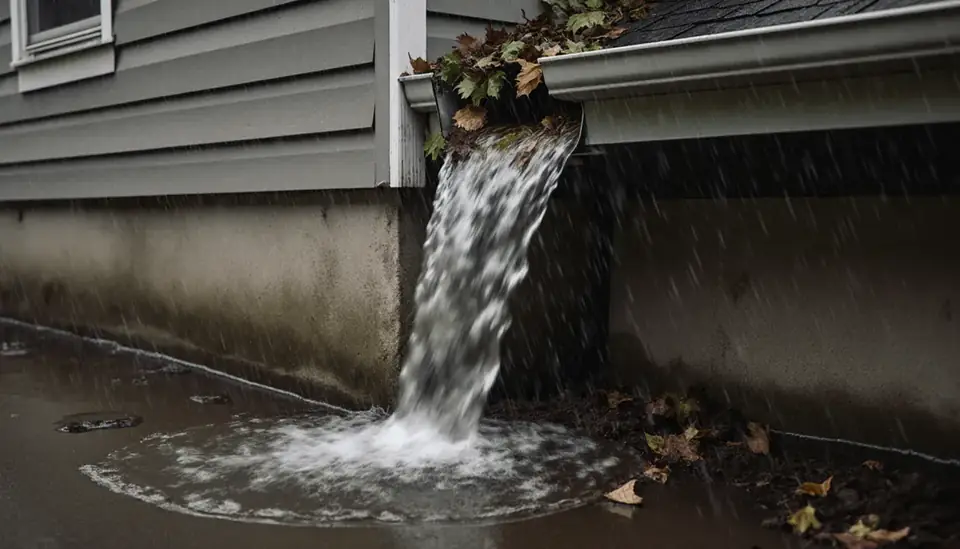
All of Barrow County lies within the Upper Oconee River basin, so Winder's creeks and ditches eventually carry their water toward the Oconee. Just a mile south of town, Fort Yargo State Park surrounds a 260-acre lake near a frontier fort built in 1793. Most local flooding, though, comes not from a lake or river but from small streams and storm drains that fill fast during heavy rain, especially where pavement and rooftops have replaced fields.
Before buying or after a close call, check your property on FEMA's flood maps. Standard homeowners policies generally exclude flood, so if runoff has reached your yard or crawl space before, a separate flood policy may be worth considering.
What a Restoration Crew Does in the First Few Days
- Stop the source. The main shutoff, a fixture valve or a roof tarp comes first.
- Remove standing water. Extraction equipment pulls water out of carpet and pad much faster than shop vacuums.
- Open up wet materials. Baseboards, lower drywall and soaked pad often come out so the cavities behind them can dry.
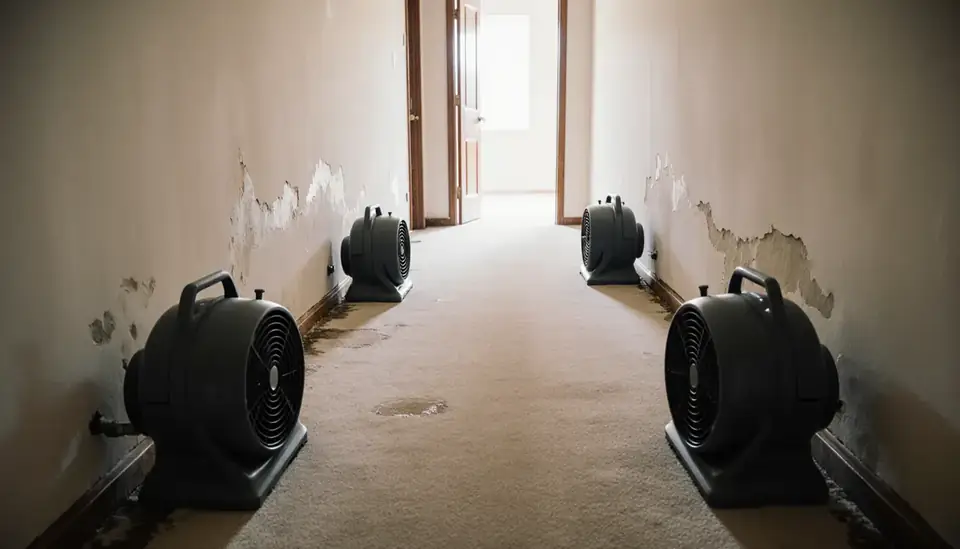
- Dry and measure. Dehumidifiers and air movers run while moisture readings are logged daily.
For crawl space homes, expect the provider to inspect under the floor as well, since water from a supply line or appliance often drains there out of sight. Steady water damage restoration work in the first 48 hours usually limits how much has to be replaced.
Mold in Barrow County's Humid Months
Summers in this part of Georgia are long, hot and humid, and nearby Athens averages close to 49 inches of precipitation a year. Under those conditions, wet drywall, carpet pad, subfloor and crawl space framing can begin growing mold within days. A lingering musty odor is often the first sign, well before anything is visible.
Mold cleanup in Winder homes should begin with finding and stopping the moisture, not with bleach. Small surface spots on hard materials can be cleaned, but growth on drywall, insulation or carpet typically requires removal under containment, followed by drying and verification before anything is rebuilt.
Areas In and Around Winder
Calls come in from across Winder, including:
- Downtown Winder
The same line also serves nearby communities such as:
- Bethlehem
- Statham
- Auburn
- Carl
- Athens
Winder Water Damage Questions
My Winder house has a crawl space that smells musty after rain. Is that water damage?
It may be. A musty crawl space often means moisture is collecting from runoff, a plumbing leak or groundwater. Over time that dampness can affect floor joists, subfloor and insulation. A provider can take moisture readings, find the source and dry the space. Correcting gutters, downspouts and grading outside is usually needed to keep water from returning.
Is flood insurance worth it if I'm not near a river?
In Barrow County, much of the flood risk comes from small creeks and runoff rather than large rivers, and fast development changes how water moves. Homeowners policies usually exclude flood. A home outside a mapped high-risk zone often qualifies for lower premiums, so look up your address on FEMA's flood map and ask an agent for a quote before storm season.
Who issues severe weather and flash flood warnings for Winder?
The National Weather Service office in Peachtree City covers Barrow County and issues tornado, severe thunderstorm, flash flood and winter storm warnings. The Georgia Emergency Management and Homeland Security Agency publishes statewide preparedness guidance. Having warnings on your phone gives you time to move vehicles, secure outdoor items and protect pipes.