
Dahlonega sits at about 1,450 feet on a low ridge in the Blue Ridge foothills. Rain that falls on the west side of town runs to Cane Creek, and rain on the east side runs to Yahoola Creek; both head south to the Chestatee River and on into the Chattahoochee system. That ridgetop position keeps most of the town above creek flooding, but it also means runoff races downhill toward whatever sits below.
There is no charge to use The Restoration Job, and its line is staffed day and night. Call (888) 317-9980 and we'll connect you with an independent restoration provider that serves Dahlonega and Lumpkin County, whether you are dealing with a leak in an apartment near campus, a storm-damaged roof on a wooded lot or a burst pipe after a mountain freeze.
How the call works: when you call (888) 317-9980, The Restoration Job connects you with an independent restoration provider that serves Dahlonega. That provider inspects the damage, explains the scope and quotes the work. The Restoration Job doesn't perform restoration itself. Read our referral disclosure.
Cane Creek, Yahoola Creek and Hillside Runoff
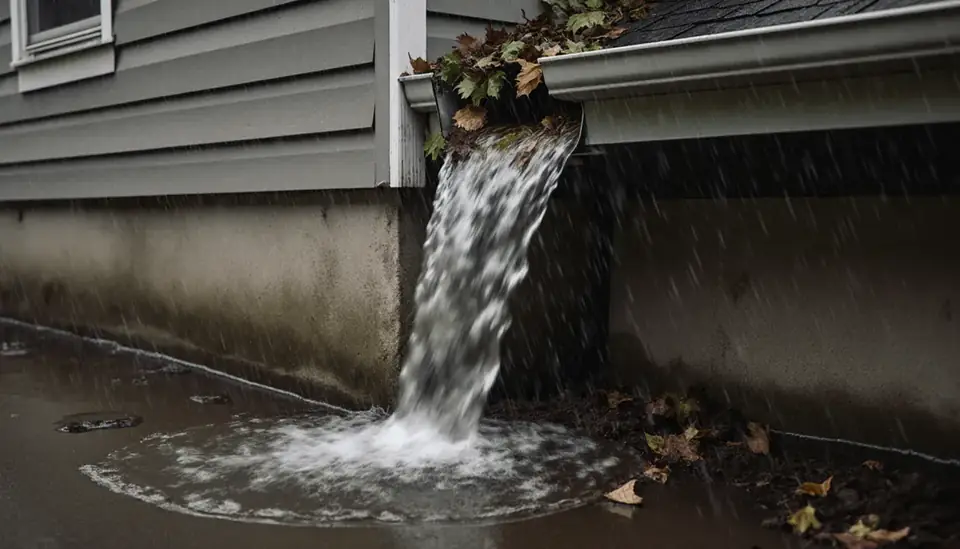
In mountain terrain, water damage usually comes from runoff and saturated slopes rather than wide river flooding. Driveways, roofs and parking lots shed water fast, and the city recognized as much when it adopted a stormwater utility in September 2020, with fees based on impervious surface and credits for features such as detention ponds. The program pays for inspecting, maintaining and upgrading drainage infrastructure to address priority problem spots.
For individual properties, the risk depends on where the house sits. Homes near the bottom of a slope, beside a branch of one of the creeks, or with a driveway that funnels water toward the garage are the ones that take water in a cloudburst. Walk the lot during a heavy rain, keep culverts and ditches clear, and check your address on the FEMA flood map before finishing a lower level.
College-Town Rentals and Apartment Leaks
The University of North Georgia, which began in the old U.S. Branch Mint building in 1873, gives the city a median age of about 21. That means plenty of student renters in apartments and shared houses. Water damage in those settings has its own wrinkles:
- Report any leak to the landlord or property manager immediately, in writing, with photos.
- The building owner's policy typically covers the structure; renters insurance covers a tenant's belongings.
- In multi-unit buildings, water from one unit often reaches others through ceilings and shared walls.
- Students leaving for breaks should know where the shutoff valve is and keep the heat on, since an empty unit is where a frozen pipe can run for days unnoticed.
Property owners benefit from having a provider document moisture readings for every affected unit, which simplifies claims and turnover.

The Historic Square and Gold Rush-Era Buildings
Georgia's 1829 gold discovery put this town on the map, and the 1836 Lumpkin County Courthouse on Dahlonega Square now houses the Dahlonega Gold Museum. Older brick and frame structures around the square and through the older parts of town absorb and hold water differently from modern construction. Masonry dries slowly, plaster can soften and detach, and original wood floors may cup if water sits on them.
Owners of older buildings should photograph original materials before anything is removed and ask that drying in place be considered before demolition. Careful structural drying with dehumidifiers and targeted airflow can often save plaster, trim and flooring that would otherwise be torn out.
Mountain Freezes, Fallen Trees and Storm Openings
Higher elevation brings colder nights than the Atlanta area, and pipes in crawl spaces, exterior walls and seasonal or vacation homes are vulnerable when temperatures drop hard. The break often goes unnoticed until the thaw, when water starts flowing again. Insulating exposed lines and keeping a little heat in unoccupied homes goes a long way.
The heavily wooded hills around the city also mean that strong thunderstorms and the remnants of tropical systems can bring down trees and limbs onto roofs. Once everyone is safe, cover the opening as quickly as possible, then remove soaked ceiling drywall and insulation so the structure can dry. Storm damage cleanup providers commonly handle both tarping and interior drying.

Shaded Lots, Crawl Spaces and Mold
Homes on shaded, wooded lots built over crawl spaces are common in the mountains, and that combination keeps humidity high under the house through the warm months. After a leak, wet subflooring, insulation and framing in those spaces can begin growing mold within a couple of days, often before anyone in the living area notices a smell.
Small patches on hard surfaces can be cleaned, but recurring growth, a lingering musty odor or affected areas larger than a few square feet usually call for mold remediation. That means containing the area, removing materials that cannot be cleaned and drying the structure, along with addressing the moisture source such as a failed vapor barrier or poor drainage.
Areas In and Around Dahlonega
Calls come in from across Dahlonega, including:
- Dahlonega Square
The same line also serves nearby communities such as:
- Auraria
- Dawsonville
- Cleveland
- Gainesville
Questions From Dahlonega Property Owners
Which weather office issues warnings for Dahlonega?
Lumpkin County is covered by the National Weather Service office in Peachtree City, Georgia, which issues flash flood, severe thunderstorm and winter storm warnings for the north Georgia mountains. Because conditions can differ sharply with elevation, check the forecast for your specific location rather than for Atlanta, and set your phone to receive emergency alerts.
Who pays when water from another apartment damages my unit?
Usually the building owner's insurance handles damage to the structure, while each tenant's renters policy covers personal belongings. If another resident caused the leak, their liability coverage may also apply. Notify the landlord in writing with photos right away, and do not wait on the question of who pays before getting standing water out and drying started.
Can plaster and original wood floors be dried instead of replaced?
Often, if the water was clean and drying begins promptly. Plaster on lath and solid wood flooring can hold up well when moisture is removed in a controlled way with dehumidifiers and airflow. Materials soaked by floodwater or sewage, or wet for an extended time, may need to come out. A provider can take moisture readings and explain the options.
What happens after I call The Restoration Job?
Your call is connected with an independent restoration provider that serves Lumpkin County. The Restoration Job does not do the work or set prices. The provider discusses the damage with you, arranges an inspection and explains the plan, timeline and costs directly.