
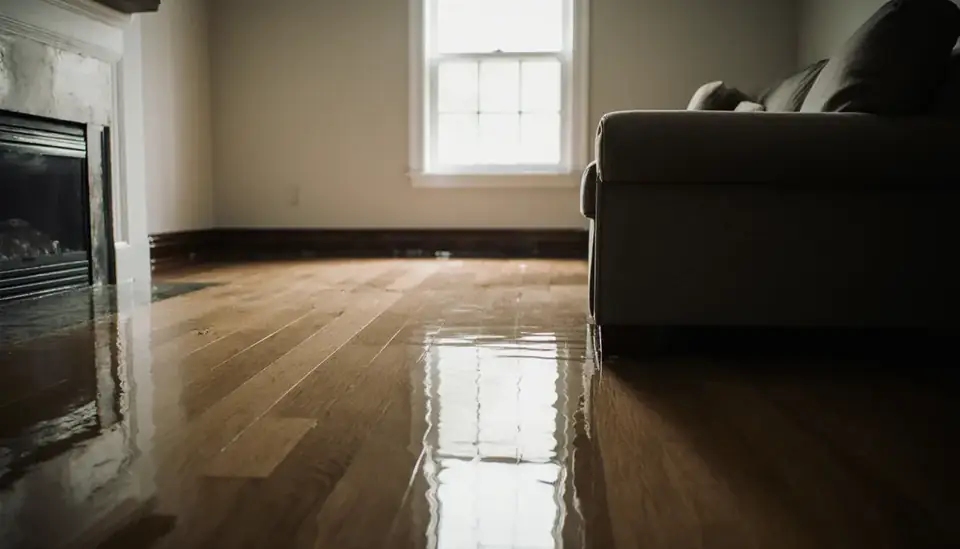
Two creek systems split Chamblee down the middle. Nancy Creek and its tributary Bubbling Creek drain the north side of the city, while North Fork Peachtree Creek and Arrow Creek carry runoff from the south side toward the Chattahoochee. The city's public works department notes that much of its storm drainage was built decades ago and is now under capacity for today's storms, which is why heavy rain here often shows up first as water across the street and then in someone's lower level.
The Restoration Job is a free call-connection service, and the line is answered 24/7. Call (888) 317-9980 and we'll connect you with an independent restoration provider that serves Chamblee, from Huntley Hills and Sexton Woods to the shops and restaurants along Buford Highway. The providers are third-party companies; we do not perform the work ourselves.
How the call works: when you call (888) 317-9980, The Restoration Job connects you with an independent restoration provider that serves Chamblee. That provider inspects the damage, explains the scope and quotes the work. The Restoration Job doesn't perform restoration itself. Read our referral disclosure.
Nancy Creek, North Fork Peachtree Creek and Under-Capacity Drains
Both of Chamblee's main creeks are listed by the Georgia Environmental Protection Division as impaired by urban runoff, a sign of how much paved surface drains into them. Rooftops, parking lots and new townhome blocks send water to the channels faster than older pipes and culverts were sized to handle, and the city warns that this leads to street flooding and eroded stream banks. Chamblee charges a stormwater utility fee on every property and launched a citywide survey and assessment of its drainage system to plan repairs.
The September 2009 floods showed what the North Fork can do. A gauge on North Fork Peachtree Creek reached a record 18.57 feet on September 21, according to the National Weather Service, and the upstream gauge in Doraville rose above flood stage the same day. Homes close to either creek, or at the low end of a street where inlets back up, are the ones most likely to need flood cleanup after an extreme rain.
Ranches, Split-Levels and New Townhomes Fail in Different Ways
Chamblee's housing spans several generations. Neighborhoods like Huntley Hills, Keswick Village and Clairmont Park are full of 1950s ranch houses and mid-century split-levels, many now sharing streets with Craftsman-style infill. Closer to downtown and the MARTA line, lofts and townhomes went up as the city grew from about 9,800 residents in 2010 to more than 30,000.
- Older ranches and split-levels: galvanized or early copper supply lines, aging water heaters and crawl spaces or lower levels that collect runoff.
- Infill houses: new grading that can redirect runoff toward a neighbor's foundation.
- Townhomes and lofts: leaks that cross into adjoining units through shared walls and ceilings.
Knowing which type you live in helps a provider plan the drying. Split-levels in particular hide water in the lower half where the floor sits partly below grade.

Buford Highway Restaurants and Sewer Backups
The Buford Highway corridor, sometimes called the International Corridor, packs restaurants, groceries and strip centers into a few miles. DeKalb County, which runs the sewer system, operates a commercial fats, oils and grease program as part of a federal consent decree aimed at sanitary sewer overflows, because grease poured down drains hardens in pipes and causes blockages. When a line backs up, the water that reaches a kitchen floor or dining room is contaminated.
Sewage backflow calls for more than mopping. Porous materials it touched, such as drywall bottoms, insulation and carpet, are generally removed, and hard surfaces are cleaned and disinfected. Providers that handle sewage cleanup wear protective gear and document the affected area, which helps business owners deal with insurers and health inspectors.
Humidity, Lower Levels and Keeping Mold From Taking Hold
Summer in DeKalb is long and muggy, and a damp lower level can stay above safe moisture levels for weeks without mechanical drying. Mold often starts behind baseboards, under vinyl plank flooring and on the paper face of drywall, where it is not visible until there is a smell. Box fans and an open window rarely bring materials down to dry standard in this climate.
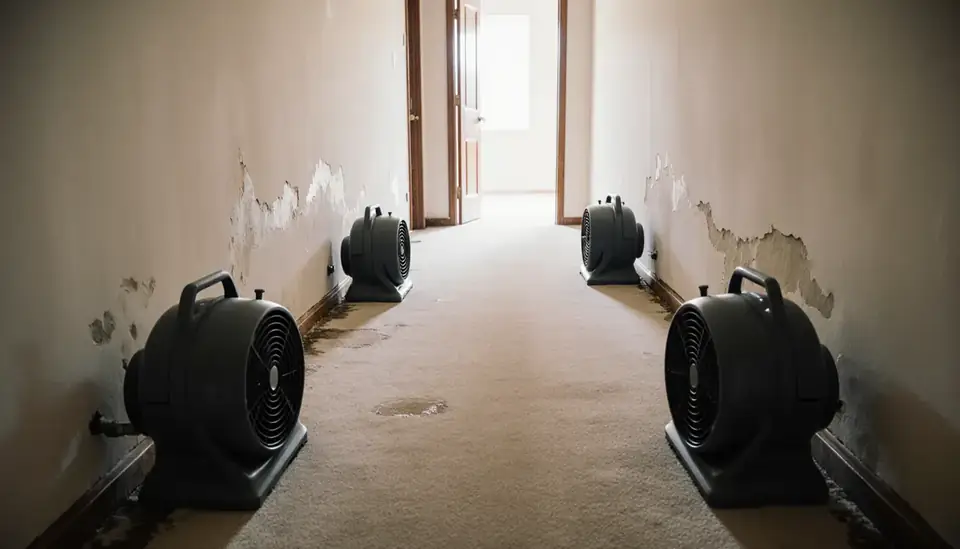
Good drying uses dehumidifiers sized to the space, air movers aimed at wet surfaces and daily moisture readings. If a musty odor persists after a leak, have the area checked with a moisture meter before reinstalling flooring or trim. Small, isolated spots can sometimes be cleaned, while larger growth is usually handled with containment and removal of affected material.
First Steps After Water Gets In
Shut off the water at the main if a pipe or fixture is the source, and switch off power to wet rooms if you can reach the panel safely. Move rugs, electronics and paperwork off wet floors. Take wide and close-up photos before anything is thrown away, since adjusters want to see the damage as it was found.
If runoff from the street or a creek is the source, report clogged storm inlets to the city through its GovPilot request system so the next storm does not repeat the problem. Remember that flood coverage is separate from a standard homeowners policy, so check your declarations page before assuming a claim will be paid.
Neighborhoods and Nearby Communities
Calls come in from across Chamblee, including:
- Downtown Chamblee
- Huntley Hills
- Sexton Woods
- Keswick Village
- Clairmont Park
- Buford Highway corridor
The same line also serves nearby communities such as:
- Dunwoody
- Doraville
- Brookhaven
- Tucker
- North Druid Hills
Common Questions
Why does my street flood in Chamblee even though I'm not near a creek?
Much of Chamblee's storm drain network was installed decades ago and, according to the city, is now under capacity for today's heavier storms and added pavement. When inlets and pipes can't keep up, water backs up into streets and low yards well away from Nancy Creek or the North Fork. Report clogged inlets through the city's request system, and keep gutters and downspouts directed away from your foundation.
Is my Huntley Hills ranch house covered if water comes up through the floor?
Coverage depends on the source. Groundwater and surface flooding are generally excluded from homeowners policies and require separate flood insurance, while a burst pipe under the floor is often treated as sudden water damage. Sewer backups may need a specific endorsement. Call your insurer, describe where the water came from and ask before major demolition starts.
A drain backed up in my Buford Highway restaurant. Can we keep operating?
Areas touched by sewage need to be cleaned, disinfected and, where porous materials soaked it up, removed before food service resumes in that space. Check with DeKalb County environmental health on reopening requirements. Call (888) 317-9980 and we'll connect you with an independent provider serving Chamblee that handles commercial sewage cleanup, so the work can be scoped and documented quickly.