
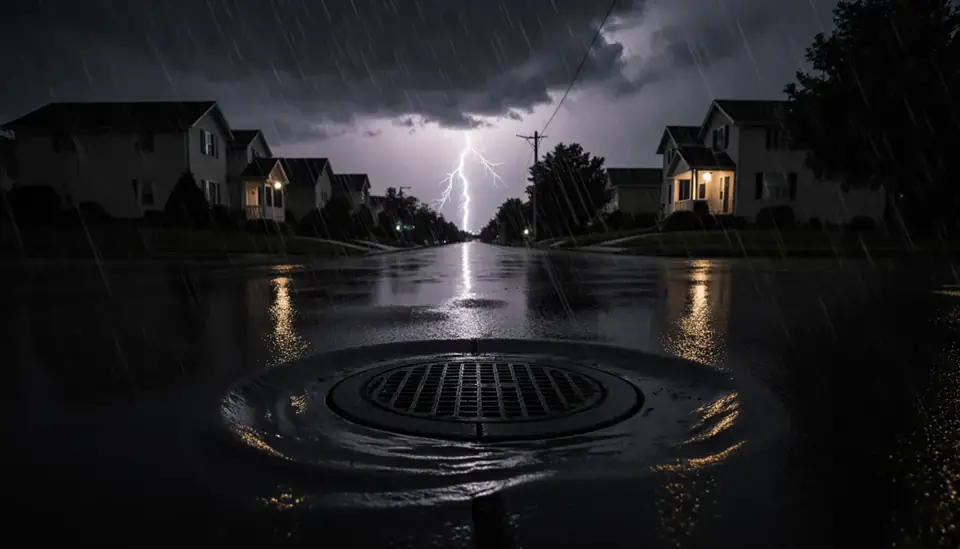
Tucker sits on high ground. At about 1,122 feet, it was the highest point on the old railroad between Atlanta and Richmond, and the Eastern Continental Divide runs along Chamblee-Tucker Road toward LaVista Road. More than a dozen creeks begin here, including Burnt Fork, Henderson Mill, Camp Creek and the South Fork of Peachtree Creek. Being near the top of a watershed means small channels and short warning times: a hard thunderstorm can turn a dry ditch behind a subdivision into fast water within minutes.
The Restoration Job is a free, 24/7 referral line. Call (888) 317-9980 and we'll connect you with an independent restoration provider serving Tucker, whether it's the lower floor of a split-level near Northlake, a ranch off Idlewood Road or a warehouse in the Montreal Industrial District. The cleanup is done by third-party companies that work in the area.
How the call works: when you call (888) 317-9980, The Restoration Job connects you with an independent restoration provider that serves Tucker. That provider inspects the damage, explains the scope and quotes the work. The Restoration Job doesn't perform restoration itself. Read our referral disclosure.
Headwater Creeks: Fast Rises Near the Top of the Watershed
Creeks near their source behave differently from big rivers. They drain small areas, so they rise and fall quickly, and much of the flow in Tucker's headwater streams comes straight off roofs, driveways and roads. In September 2009, the South Fork of Peachtree Creek, which starts in Tucker and runs through Clarkston toward Emory, crested at its third-highest level on record at its downstream gauge, according to the National Weather Service.
The damage pattern is usually local. Backyards that slope toward a creek or drainage easement, culverts that clog with leaves, and streets where catch basins can't keep up all send water toward foundations. Tucker created its own Public Works Department in 2023, and its stormwater division now handles catch basin repairs and drainage infrastructure that the county used to manage, so report recurring problems to the city.
Split-Levels and Ranch Homes From the 1960s and 1970s
Much of Tucker's housing dates to the 1960s and 1970s, with ranch and split-level designs most common, followed by larger multi-story homes from the 1970s and 1980s. The split-level is the one to watch. Its lower level sits partly below grade, often with a den, laundry room and water heater, and red clay soil holds runoff against those walls after heavy rain.
- Water heaters now 15 or more years old in lower levels or garages.
- Washing machine hoses and laundry drains in finished lower floors.
- Window wells and exterior stairwells that fill and overflow.
- Older galvanized supply pipes that corrode from the inside.
Thorough structural drying matters in these homes because the lower-level walls can stay wet behind paneling or drywall long after the floor looks dry.

Warehouses and Business Parks Along the Industrial Districts
Tucker has a larger commercial base than many suburbs, with the Montreal Industrial District and Royal Atlanta Business Park holding warehouses, offices and light manufacturing. Flat roofs, roof drains and sprinkler systems are the usual culprits in these buildings. A clogged roof drain during a summer cloudburst can pond water until it finds a seam, and a fire sprinkler line that freezes during a cold snap can release a large volume quickly.
For businesses, speed and documentation both matter. Move inventory off wet floors, photograph pallets and equipment, and keep a log of when water was discovered and when the source was shut off. Providers that handle commercial work can extract water, set up large-scale drying and coordinate with the property manager so tenants can get back to operating.
Humid Summers and Mold in Lower Floors
Below-grade rooms in Tucker homes tend to run damp from late spring through early fall, and a leak only makes that worse. Carpet over concrete, paneling over block walls and boxes stored on the floor are common places for mold to start. A dehumidifier running in the lower level through summer helps day to day, but it is not enough after a real water event.
After a leak or flood, check for a musty smell, discoloration at the base of walls and swollen trim. Wet carpet pad usually has to go. If growth has spread across drywall or framing, professional mold remediation with containment keeps spores from being spread to the rest of the house during removal.

Before the Provider Arrives
Shut off the water if a pipe or appliance is the source, and turn off breakers serving wet areas if the panel is dry and safe to reach. Lift furniture onto blocks or foil, pull area rugs and move valuables upstairs. Take photos of everything, including the water line on walls.
If water came in from outside, note whether it was runoff from the yard, a creek or a backed-up drain, because the source determines insurance coverage. Standard homeowners policies typically exclude surface flooding, and sewer backup coverage is often a separate endorsement.
Where Callers in the Tucker Area Are
Calls come in from across Tucker, including:
- Main Street
- Northlake
- Idlewood
- Montreal Industrial District
- Royal Atlanta Business Park
The same line also serves nearby communities such as:
Frequently Asked Questions
Who handles drainage problems now that Tucker has its own public works department?
Since July 2023, Tucker's Public Works Department, which includes a stormwater division, has handled catch basin repairs and city drainage infrastructure. Report clogged inlets or failing pipes in public areas through the city's public works request page. Drainage on private property, including pipes in many backyard easements, may still be the owner's responsibility, so ask the city to confirm.
Why does the lower level of my split-level get wet after storms?
Split-level lower floors sit partly below grade, and Tucker's clay soil drains poorly, so rain can saturate the ground next to the walls and push moisture through block or concrete. Short downspouts, negative grading and clogged window wells make it worse. Fix the drainage outside, then have wet materials inside dried or removed before mold develops.
A sprinkler line burst in our warehouse during a freeze. What happens first?
Get the sprinkler system shut down by someone authorized to do so and notify your fire protection contractor, since the system will need to be restored. Then call (888) 317-9980 and we'll connect you with an independent provider serving Tucker that handles commercial water extraction and drying. Document inventory losses before anything is discarded.