
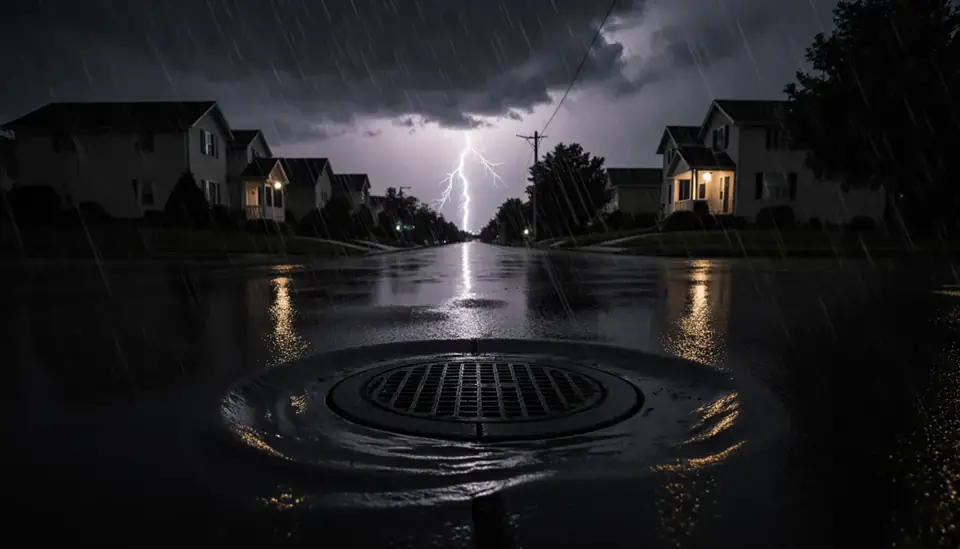
Two young friends from London, Thomas Snell and James Sawyer, opened a general store here in the 1880s, and the crossroads around it became Snellville, chartered by the state in 1923. Today the city of roughly 20,500 sits in southern Gwinnett, about 33 miles east of downtown Atlanta along US 78, in the Yellow River drainage that flows south toward the Ocmulgee. Storms, runoff and the everyday plumbing failures of a mostly residential city account for most of the water damage here.
The Restoration Job only makes referrals and does not do restoration work itself. Call (888) 317-9980, day or night, and we will connect you with an independent restoration company that works in Snellville. That company inspects the damage and does the cleanup and drying.
How the call works: when you call (888) 317-9980, The Restoration Job connects you with an independent restoration provider that serves Snellville. That provider inspects the damage, explains the scope and quotes the work. The Restoration Job doesn't perform restoration itself. Read our referral disclosure.
Yellow River Country on the Ocmulgee Side of Gwinnett
Gwinnett County splits across the Eastern Continental Divide, and the southern part of the county, including Snellville, drains toward the Ocmulgee River rather than the Chattahoochee. The U.S. Geological Survey operates a stream gauge named Yellow River near Snellville, which measures runoff from a 136-square-mile drainage area upstream. The NWS Peachtree City office issues flood warnings for rivers and creeks across this part of the county.
For most homeowners, though, the more frequent problem is smaller-scale: water sheeting off streets and yards in a heavy storm, ditches overflowing, and runoff pooling against foundations or garage doors. Checking your address on the FEMA Flood Map Service Center is a good first step, and remember that standard homeowners policies generally exclude surface flooding.
Detention Ponds, Ditches and Who Maintains Them
The City of Snellville's Public Works Department is responsible for stormwater infrastructure inside city limits, including rights of way, ditches, detention ponds and easements. The city also runs a stormwater utility with a credit program for qualifying properties. Clogged inlets and washed-out ditches can be reported through the city's Report a Problem tool.
Water that backs up from a blocked public ditch can still end up in your home, so report problems before storm season rather than after. On your own lot, keep gutters clear, extend downspouts and make sure soil slopes away from the foundation.

Tornado Warnings and Wind Damage Along US 78
Gwinnett County's emergency management office calls tornadoes Georgia's number one weather-related killer and warns they can be hidden by trees or rain. Severe thunderstorms are more common, about 75 days a year with a July peak, and their straight-line winds can top 58 mph. Either can bring down trees, peel shingles and leave a roof open to rain.
- Sign up for Alert Gwinnett so warnings reach your phone.
- After the storm, stay away from downed lines and rooms under a damaged roof.
- Photograph damage outside and inside before cleanup.
- Arrange tarping quickly to limit additional rain damage.
Storm damage cleanup after wind events usually combines tree removal, roof protection and interior drying.
Drying a Crawl Space or Slab Home After Heavy Rain
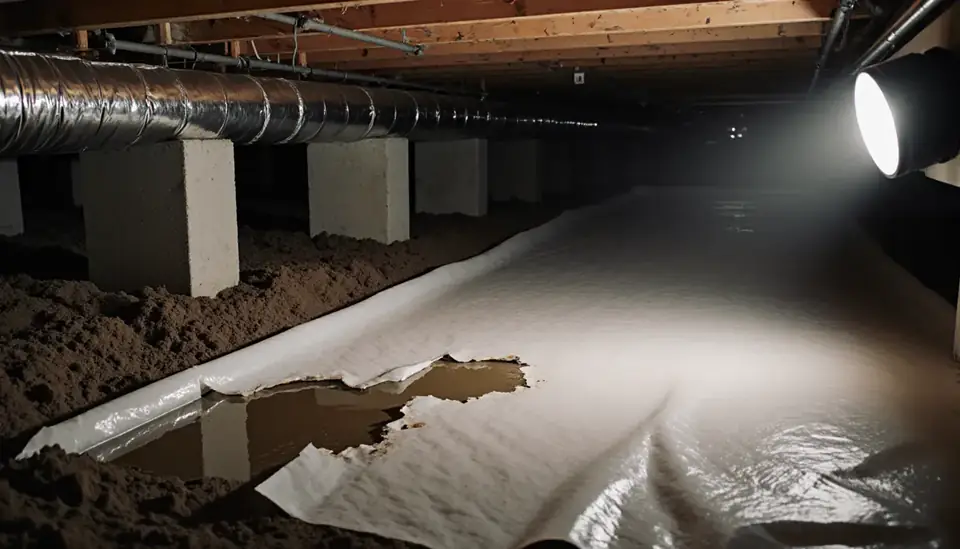
Water damage restoration in Snellville often depends on how a house is built. In a crawl space home, water can collect on the ground beneath the floor and raise humidity in the joists and subfloor for weeks if it is not pumped out and dried. On a slab, water spreads under flooring and wicks into the bottom of walls. Either way, a restoration provider will typically extract standing water, measure moisture in framing and drywall, remove materials that cannot be saved and run dehumidifiers until readings return to normal.
Professional structural drying also helps document the work for insurance, since adjusters often ask for moisture logs.
Mold After a Wet Summer Week
Warm, humid weather keeps moisture levels high indoors and under houses, so wet wood and drywall can grow mold within a few days. Crawl spaces are especially prone because they are dark, closed and often overlooked. Musty odors in the living space, sagging insulation under the floor or visible spotting on joists are signs it is time for an inspection. Mold remediation focuses on fixing the moisture source, removing affected materials and drying what remains.
Areas In and Around Snellville
Calls come in from across Snellville, including:
- The Grove at Towne Center
The same line also serves nearby communities such as:
- Grayson
- Loganville
- Lilburn
- Lawrenceville
- Stone Mountain
- Dacula
Common Questions
Who fixes a clogged ditch or detention pond in Snellville?
Inside city limits, Snellville's Public Works Department maintains stormwater infrastructure in public rights of way, ditches, detention ponds and easements. Report problems through the city's Report a Problem link or by phone. Drainage features that are entirely on private property may be the owner's or homeowners association's responsibility, so check your plat or HOA documents if you are unsure.
What should I do after a tornado warning if my roof is damaged?
Stay sheltered until the warning expires, then check for gas smells and downed lines before going outside. Keep everyone out of rooms below damaged sections. Photograph the damage, contact your insurer and arrange temporary tarping. Wet ceilings and insulation should come down or be dried promptly, since Georgia's humid weather speeds up mold growth.
My crawl space has standing water after storms. Is that normal?
It is common in clay soils but it is not harmless. Standing water raises humidity under the house, which can lead to mold on joists and wood rot over time. Pumping it out and drying the space is the first step; correcting downspouts and grading, or adding a vapor barrier or drainage, can keep it from coming back. A restoration provider can measure moisture in the framing.