
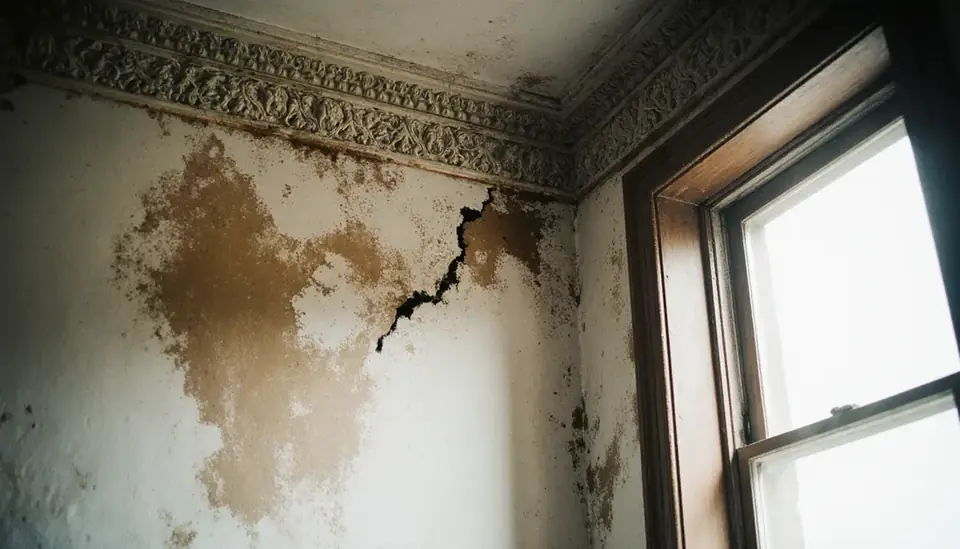
Gwinnett's county seat was incorporated in 1821, which makes it the second oldest city in metro Atlanta, and its courthouse on the downtown square dates to 1885. Around that historic core, Lawrenceville has grown into a city of about 30,000 that sits high in its watersheds, with several creeks and rivers starting nearby. Those small headwater streams were among the gauges that set records when the September 2009 storms stalled over north Georgia.
The Restoration Job runs a free 24/7 referral line. Call (888) 317-9980 and we will connect you with an independent restoration company serving Lawrenceville. That company assesses the damage, explains the work and handles the drying and repairs.
How the call works: when you call (888) 317-9980, The Restoration Job connects you with an independent restoration provider that serves Lawrenceville. That provider inspects the damage, explains the scope and quotes the work. The Restoration Job doesn't perform restoration itself. Read our referral disclosure.
Pew Creek, Shoal Creek and the Alcovy in September 2009
The National Weather Service's account of the 2009 floods lists three gauges at Lawrenceville. Pew Creek set a record at 16.69 feet early on September 21, Shoal Creek crested at 13.12 feet that evening, and the Alcovy River reached 13.87 feet later the same night. Outlying stations across the region recorded as much as 5 inches in 13 hours during the event, on ground that was already saturated after days of rain.
The lesson for local homeowners is that small creeks can do serious damage. A stream you can step across in August can push into yards, crawl spaces and lower levels after a long soaking rain. Look up your address on FEMA's flood maps, keep storm drains near your property clear, and consider flood insurance even if your lender does not require it. When outside water does get in, flood cleanup treats it as contaminated and removes porous materials it reached.
Headwater Country on Both Sides of the Divide
Gwinnett County straddles the Eastern Continental Divide. The northern part of the county drains to the Chattahoochee, while central and southern areas, including the country around Lawrenceville, drain toward the Ocmulgee, and the eastern edge toward the Oconee. The Yellow River rises north of town and runs south through the county toward the Ocmulgee. Being near the top of these watersheds means streams are small, but it also means they can respond within hours to intense rain falling on roofs, roads and parking lots.
That fast response is why water often reaches homes from runoff and backed-up ditches rather than from a slowly rising river. Grading that slopes toward the foundation, short downspouts and clogged yard drains are the usual culprits.
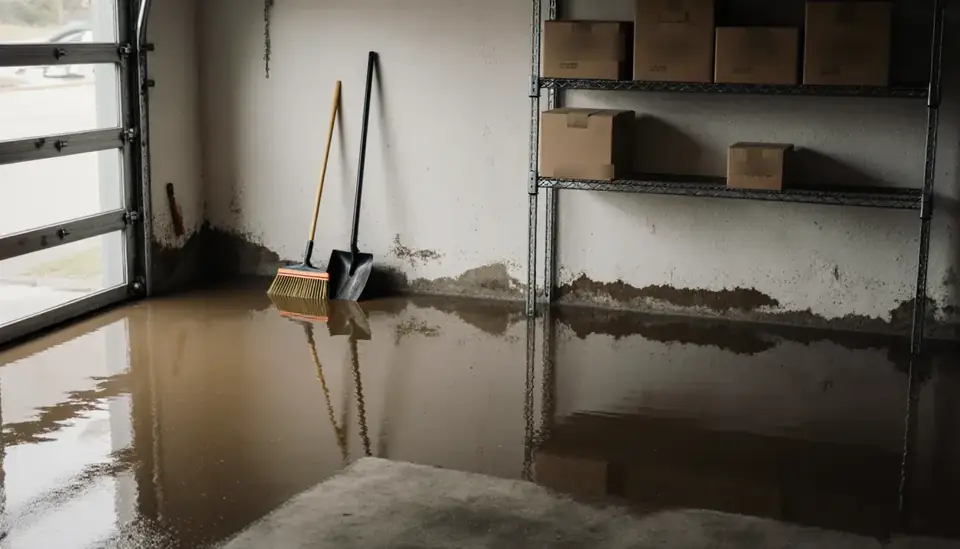
Hard Freezes in a City That Has Recorded −8°F
Lawrenceville's climate records run from 104°F down to −8°F. Severe cold is uncommon, but when it arrives it finds pipes in exterior walls, unheated garages, crawl spaces and attics that were never insulated for it. A split line often goes unnoticed until the thaw, then sprays for hours.
- During a cold snap, open cabinet doors on exterior walls and let faucets drip.
- Disconnect hoses and cover outdoor spigots.
- If a pipe bursts, close the main shutoff and call the water provider if you cannot find it.
The City of Lawrenceville operates its own utility for water, natural gas and electricity, so city utility customers should keep that contact handy for shutoff help or a suspected gas issue near water-damaged appliances.
Older Buildings Around the Courthouse Square
Downtown Lawrenceville mixes historic commercial buildings with newer development around the square and the Lawrenceville Lawn. Older masonry buildings tend to absorb water through walls and roofs, and plaster or wood flooring may respond differently to drying than modern drywall. Restoration providers working in older structures usually dry more slowly and monitor closely to avoid cracking or warping. For building owners and tenants alike, documenting the damage before cleanup and confirming who manages the building systems helps the water damage restoration process move without disputes.
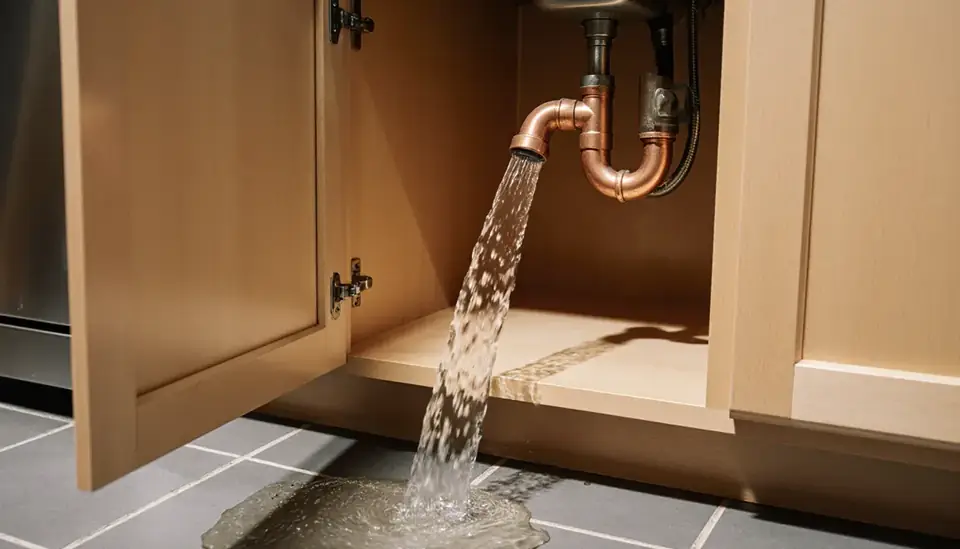
Moisture, Mold and 53 Inches of Rain a Year
The city averages about 53.5 inches of precipitation annually, and summers are warm and humid. Wet materials that stay closed up behind cabinets, under flooring or inside walls can grow mold within a few days. Signs to watch for after any leak include a musty odor, staining that spreads, and paint or wallpaper that bubbles. Mold cleanup in Lawrenceville homes typically means removing affected porous materials under containment and drying the structure thoroughly rather than simply painting over stains.
Neighborhoods and Nearby Communities
Calls come in from across Lawrenceville, including:
- Downtown Lawrenceville
The same line also serves nearby communities such as:
- Duluth
- Suwanee
- Snellville
- Dacula
- Grayson
- Lilburn
- Buford
Frequently Asked Questions
Do small creeks in Lawrenceville really flood?
Yes. During the September 2009 storms, Pew Creek at Lawrenceville reached a record 16.69 feet, and Shoal Creek and the Alcovy River also crested at high levels on September 21. Headwater streams rise quickly after intense rain, especially where pavement speeds runoff. Being outside a mapped floodplain lowers risk but does not eliminate it, so check FEMA's maps and consider flood coverage.
Who do I call to shut off water if I cannot find my valve?
Customers of the City of Lawrenceville's utility can contact the city utility, which provides water, gas and electric service to its customers; other residents in the area may be served by Gwinnett County's water department. Ask about the meter shutoff, which is usually at the curb. Turning off power to wet rooms is also a priority if water is near outlets or appliances.
Can an older plaster wall be dried, or does it have to come out?
Plaster on masonry or wood lath can often be dried in place if the water was clean and the wall is structurally sound, though it may take longer than drywall. A restoration provider will take moisture readings over several days and recommend removal only where materials have failed or the water was contaminated. Ask how drying will be monitored before work begins.
How can I get local weather and emergency alerts?
Gwinnett County's Office of Emergency Management offers Alert Gwinnett, a free system that sends emergency notifications to your phone. The National Weather Service office in Peachtree City issues flash flood, winter storm and severe thunderstorm warnings for the county. Having both in place gives you time to move valuables off lower floors or protect pipes before a hard freeze.