

The Etowah River comes down from the hills northwest of Dahlonega and runs west-southwest straight through Canton before spreading out into Lake Allatoona. By the time it reaches the city, the river drains about 613 square miles, so rain falling across much of north Georgia ends up passing the Cherokee County seat. Canton itself has changed fast, from about 7,700 residents in 2000 to nearly 33,000 in 2020, which means a river town with mill-era roots now holds thousands of newer homes as well.
For a referral to an independent restoration company that serves Canton, call The Restoration Job at (888) 317-9980. The line is free and open 24/7, and the provider you are connected with handles the assessment and the work.
How the call works: when you call (888) 317-9980, The Restoration Job connects you with an independent restoration provider that serves Canton. That provider inspects the damage, explains the scope and quotes the work. The Restoration Job doesn't perform restoration itself. Read our referral disclosure.
The Etowah at Canton: A Gauge Watched Since 1892
The U.S. Geological Survey has records of peak flows on the Etowah at Canton going back to 1892, and the river's behavior during heavy rain is well documented. In September 2009 the National Weather Service recorded it above its 16-foot flood stage from midday on September 21 until early on September 23, cresting at 20.73 feet on the morning of the 22nd. That storm left about 20,000 buildings across the region with major damage.
Because the river collects water from a large, hilly area upstream, it can keep rising for many hours after rain stops in Canton. If you live or own a business near the river or one of its tributaries, follow the gauge reading rather than the sky, and check your address on FEMA's flood maps. River water inside a building calls for flood cleanup procedures, since it carries mud, fuel and sewage.
Mill-Town Buildings and New Subdivisions
Canton was the county seat by 1833 and later home to Canton Cotton Mills, once among the largest mills in the South and known for Canton Denim. With the population more than quadrupling since 2000, most residents now live in recently built homes, while older buildings remain closer to the historic center. The two groups tend to have different problems:
- Older masonry and wood-frame buildings: roof and parapet leaks, aging supply lines, damp crawl spaces and plaster that holds moisture.
- Newer houses: failed washing machine hoses, water heater leaks, overflowing attic condensate lines and slab or lower-level seepage on graded lots.
In both, the goal of water damage repair is the same: find every wet material before closing anything up. Older buildings simply take longer to dry and need more care with original materials.
What to Do Before a Restoration Crew Arrives
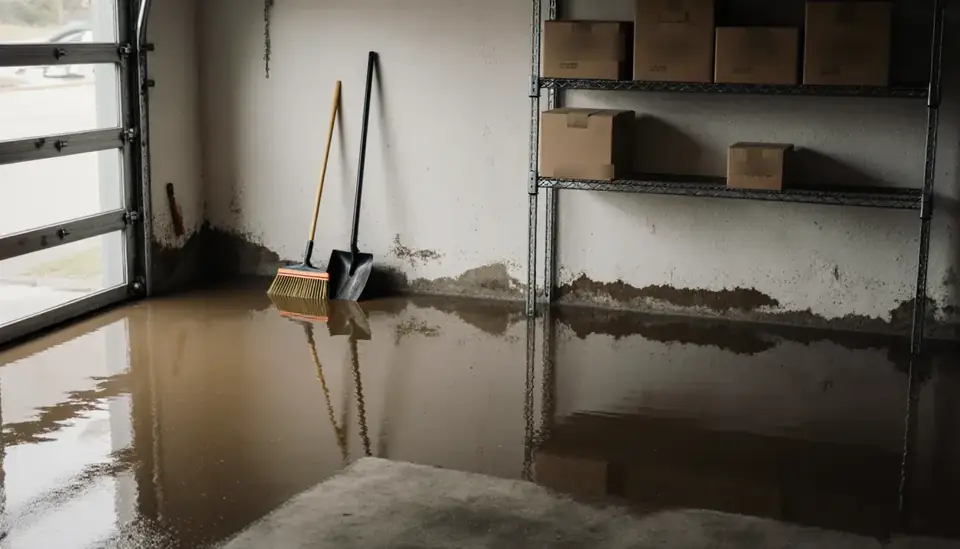
Turn off the main water supply if the source is plumbing. If water is near outlets, cords or a panel, shut off power at the breaker, and if you cannot reach the panel safely, wait for the utility or a professional. Take photos and video of each affected room, the leak source and any damaged belongings.
Lift furniture off wet floors, pull up area rugs and move valuables to a dry room. Open interior doors to let air move, but keep the air conditioning running rather than opening windows on a humid day. Call your insurance company to start a claim and ask whether they require a specific inspection before demolition.
Flood Policies, Backups and Storm Leaks
Homeowners policies sort water damage by where it came from. Sudden plumbing failures and wind-driven roof leaks are commonly covered. Rising water from the Etowah, a creek or heavy surface runoff is flood damage, which requires a separate flood policy, usually with a waiting period before coverage starts. A backup of sewage through floor drains or toilets is typically covered only if you added a water backup endorsement.
Knowing the category also tells a restoration provider how to handle the job. Clean water from a supply line can often be dried in place. River water and sewage call for removing porous materials and disinfecting what remains.
Drying Out Fast in a Humid Climate
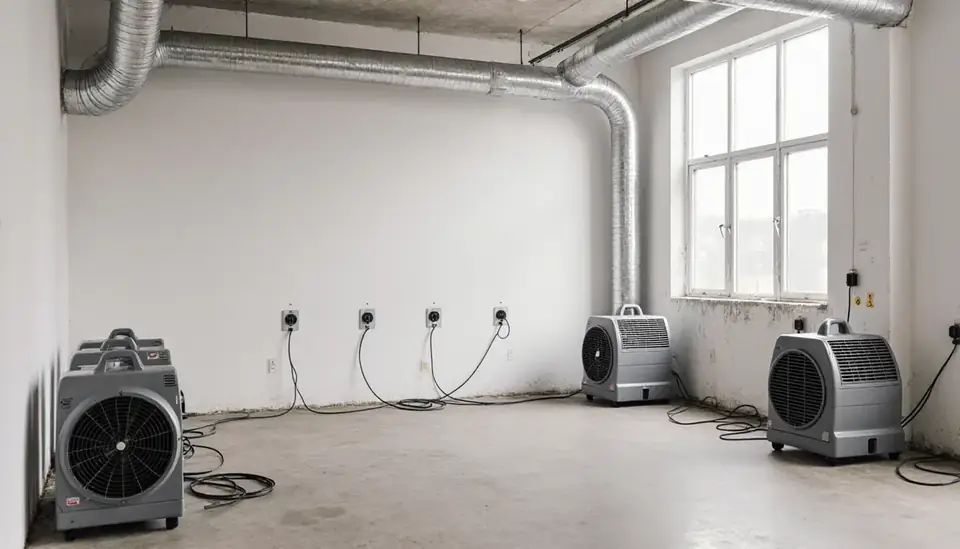
Georgia's long, humid summers give mold an easy start in any material that stays wet for more than a day or two. Carpet pad, drywall bottoms and the backs of cabinets are the usual places it appears first. Professional drying typically pairs commercial dehumidifiers with air movers and daily moisture checks, and it continues until readings reach normal levels, not just until surfaces feel dry.
Where growth is already visible after an old leak or a flood, keep the room closed and avoid running fans that blow across it. Mold remediation sets up containment, removes affected materials and cleans the structure, but it only lasts if the moisture source has been corrected.
Where Callers in the Canton Area Are
The same line also serves nearby communities such as:
- Holly Springs
- Woodstock
- Ball Ground
- Waleska
- Nelson
- Hickory Flat
Common Questions
How high did the Etowah River get in Canton during the 2009 floods?
The National Weather Service recorded the river at Canton cresting at 20.73 feet on the morning of September 22, 2009, almost five feet over its 16-foot flood stage. It stayed above flood stage for about a day and a half. Owners near the river can use that event as a reference point when judging their own risk.
Why does the river keep rising after the rain stops in Canton?
The Etowah drains roughly 613 square miles above the Canton gauge, much of it hilly land to the north and east. Rain falling on that area takes time to run off and reach the city, so river levels can climb for hours after local skies clear. Watch official gauge readings and forecasts instead of judging by conditions in your yard.
Can water-damaged materials in an older Canton building be saved?
In many cases yes, provided the water was clean and drying begins promptly. Old-growth wood floors, trim and plaster can usually be dried with patience and careful monitoring. Materials soaked by river water or sewage are a different story; porous items such as plaster, insulation and carpet generally have to be removed for health reasons.
Does flood insurance in Canton start right away?
Usually not. Policies through the National Flood Insurance Program generally carry a waiting period after purchase before coverage begins, with some exceptions such as a purchase tied to a new mortgage. If you are near the Etowah or a tributary, buying coverage before storm season is far better than trying to add it when rain is in the forecast.