

Holly Springs is a small city that has become a much larger one in a short time. Incorporated in 1906 and named for a stand of holly beside a spring, it had about 3,200 residents in 2000 and more than 16,000 by 2020. It sits on higher ground along I-575, between Canton to the north and Woodstock to the south, and most of its houses are young. That shapes the kind of water damage seen here: fewer corroded pipes, more first-time failures in newer homes, and runoff problems where new development has changed how water moves across the land.
No restoration work is done by The Restoration Job itself; it simply connects callers with local companies. Call (888) 317-9980 day or night and you will be connected at no charge with an independent restoration provider that works in Holly Springs.
How the call works: when you call (888) 317-9980, The Restoration Job connects you with an independent restoration provider that serves Holly Springs. That provider inspects the damage, explains the scope and quotes the work. The Restoration Job doesn't perform restoration itself. Read our referral disclosure.
Newer Homes, First Leaks
A home that is ten or fifteen years old has usually reached the age when its original appliances and fittings start to give out. Common sources in houses of this vintage include:
- Plastic supply lines to toilets and faucets whose connectors crack.
- Ice maker and dishwasher lines that slip or split behind cabinets.
- Water heaters reaching the end of their design life, sometimes on upper floors.
- Air conditioner condensate drains that clog and overflow in summer.
Many owners also assume a builder or home warranty will cover the damage. Those warranties often cover the failed part, not the soaked floors and drywall. Document everything, call your homeowners insurer, and have water damage restoration started so the claim is not weakened by mold that grew while waiting.
Runoff, Buffers and the City Stormwater Utility
Holly Springs created a stormwater utility in 2009, with fees added to city tax bills, and asks residents to report clogged drainage structures, flooding, muddy runoff and blocked streams. Those calls go to Public Works at 770-345-5533 or City Hall at 770-345-5536. The city also publishes guidance on backyard stream buffers, the vegetated strips that slow water and hold banks in place.
In neighborhoods built on cleared, graded hillsides, a heavy storm can send sheets of water across lawns and toward foundations, especially before landscaping is mature. Check that the yard slopes away from the house, that downspouts discharge several feet out, and that swales between lots are not blocked by fences or mulch beds.
Lessons From the 2009 Floods Next Door
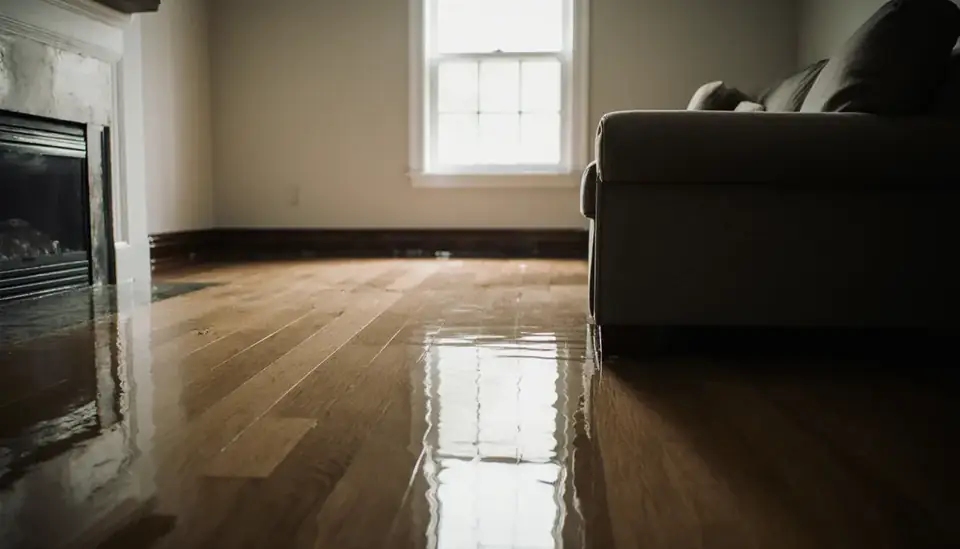
The record rains of September 2009 hit both of Holly Springs' neighbors. The National Weather Service logged the Etowah River at Canton cresting at 20.73 feet, nearly five feet over flood stage, and the Little River at Woodstock reaching 20.80 feet against an 11-foot flood stage. Holly Springs sits on higher ground than those river corridors, but the same storm saturated soils across the county and pushed water into lower levels and garages far from any river.
Flooding from surface water is excluded from standard homeowners policies, and a separate flood policy is needed to cover it. Even outside a mapped flood zone, owners of homes with finished lower levels may want to price that coverage. If water does come in, water extraction should begin as soon as it is safe, ideally within the first day.
Handling a Leak in an HOA Neighborhood
For homes in a community with a homeowners association, the HOA affects who pays for what. Damage inside your house from your own plumbing is normally your responsibility and your insurer's. Drainage features shared by the neighborhood, such as ponds, common-area pipes and some swales, may belong to the HOA. Townhome communities can split responsibility for roofs and exterior walls between owners and the association.
Read your covenants, notify the HOA in writing if a common element caused the water, and keep photos and moisture readings from the restoration provider. Clear records make it easier to sort out claims between two insurers.
Humid Summers and Hidden Mold Pockets
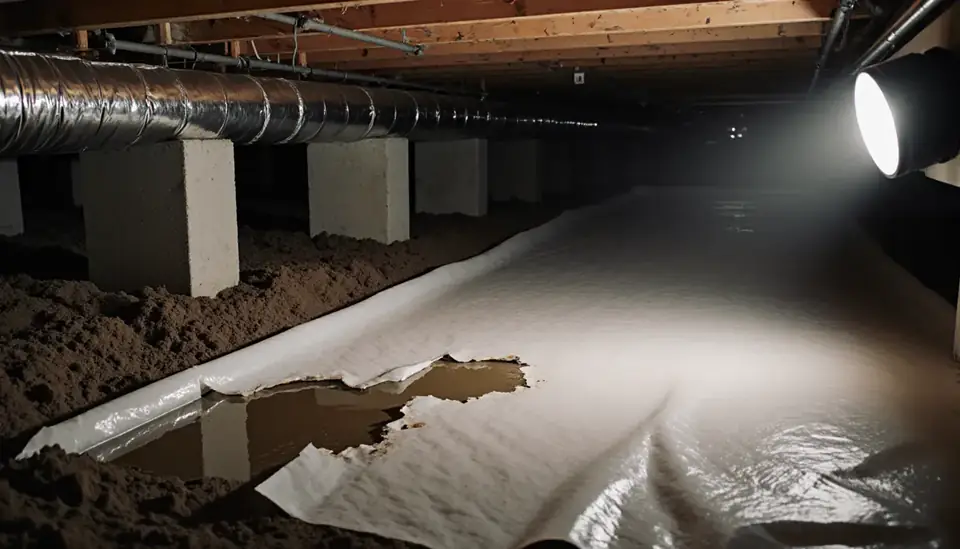
North Georgia humidity means wet building materials rarely dry by themselves. Within a day or two, mold can begin growing on drywall paper, carpet backing and the underside of laminate flooring. Running the air conditioning and a dehumidifier helps, but a hidden pocket of moisture inside a wall or under cabinets will keep feeding growth.
Restoration providers commonly use moisture meters and thermal cameras to find those pockets, then dry them with targeted airflow. If you already see or smell mold, limit traffic in the room and leave the cleanup to mold remediation professionals, who contain the area so spores do not travel through the HVAC system.
Areas In and Around Holly Springs
Calls come in from across Holly Springs, including:
- Holly Springs Town Center
The same line also serves nearby communities such as:
Frequently Asked Questions
Who do I call about a flooded street drain in Holly Springs?
The city's stormwater program takes reports of clogged drainage structures, flooding, muddy runoff and stream obstructions. Call Public Works at 770-345-5533 or City Hall at 770-345-5536. If the drain is inside a private subdivision, the homeowners association may be responsible for the repair, but the city can tell you whether the structure is public.
My Holly Springs house is only a few years old. Will the builder pay for water damage?
Possibly for the failed component, if it is still under warranty, but builder warranties often exclude resulting damage to finishes. Report the defect to the builder in writing, notify your homeowners insurer, and start drying right away. Waiting for a warranty decision before drying can allow mold to develop, which insurers may treat as a separate, excluded problem.
Is Holly Springs prone to river flooding like Canton?
Holly Springs lies on higher ground than the Etowah corridor in Canton or the Little River in Woodstock, so river flooding is less of a direct threat to most homes. Water damage here more often comes from heavy rain runoff, roof leaks and plumbing failures. Check your specific address on FEMA's flood maps to confirm.
How long does drying usually take after a leak?
For a clean-water leak caught early, drying commonly takes three to five days with professional equipment, depending on how far the water spread and the materials involved. Hardwood, plaster and dense subfloors take longer. A provider should take daily moisture readings and only remove equipment once materials reach normal levels.