
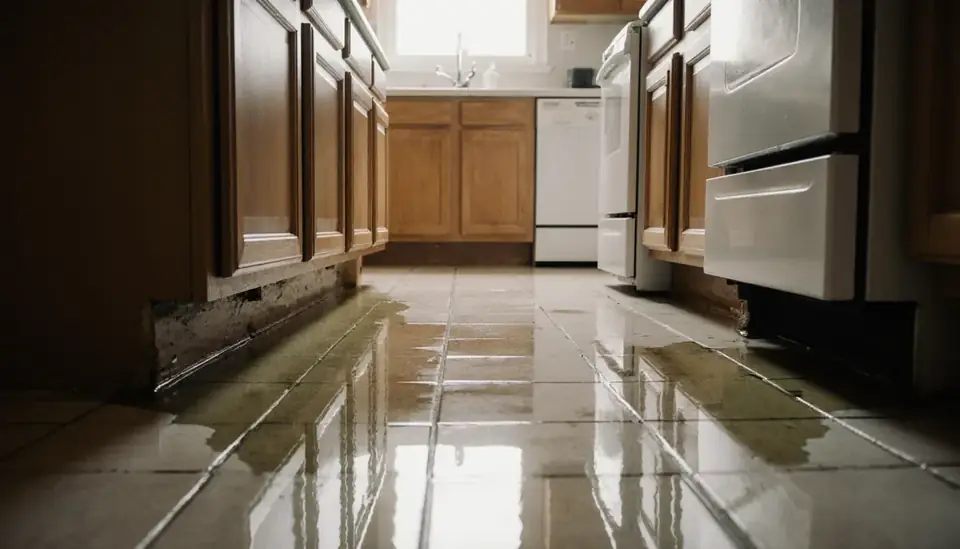
Loganville is a two-county city: most of it lies in western Walton County, and its limits reach west into southeastern Gwinnett. Incorporated in 1887 and named for early settler James Harvie Logan, the town has grown into a family-oriented suburb of about 14,000 people, where more than half of households are married couples and over a quarter of residents are under 18. Busy households mean busy plumbing, and much of the water damage here starts with everyday fixtures rather than dramatic weather.
Call (888) 317-9980 at any hour and we'll connect you with an independent restoration provider that serves Loganville on both sides of the county line. The Restoration Job is a referral line only; the provider you are connected with does the assessment and the work.
How the call works: when you call (888) 317-9980, The Restoration Job connects you with an independent restoration provider that serves Loganville. That provider inspects the damage, explains the scope and quotes the work. The Restoration Job doesn't perform restoration itself. Read our referral disclosure.
One City, Two Counties: Who to Call for What
In Loganville, the county line matters after a storm or flood. Depending on your address, emergency management, building permits and stormwater questions may run through Walton County or Gwinnett County, alongside the city's own services. It is worth checking now which county your home sits in so you know where to look for alerts, debris pickup notices and permit rules after a major event.
Gwinnett County's Office of Emergency Management publishes alert sign-up information for residents on its side of the line, and the National Weather Service in Peachtree City issues the warnings for the whole area. For flood zones, the FEMA Flood Map Service Center covers both counties and is the place to check your parcel before buying flood coverage.
Headwater Creeks and Fast Runoff Around Loganville
At roughly 978 feet, the city sits on high ground in the western part of Walton County, inside the arc of land that drains to the Upper Ocmulgee. The streams near town are small headwater creeks feeding toward rivers such as the Alcovy, which rises in eastern Gwinnett and flows south through Walton. These creeks rise and fall quickly, which means the worst water usually arrives during the storm itself.
In newer subdivisions, rooftops, driveways and compacted clay yards all send water downhill at once. Typical trouble spots include garages at the bottom of a sloped driveway, window wells, and crawl space vents on the uphill side of a house. Clean gutters, downspouts that discharge well away from the foundation and graded soil that slopes outward are the cheapest protection.
Overflowing Tubs, Washer Hoses and Upstairs Leaks
In two-story family homes, a large share of losses come from the second floor. An overflowing bathtub, a cracked toilet supply line or a washing machine hose bursting in an upstairs laundry room can send water through the ceiling and down interior walls within minutes. Water heaters in garages and attics are another common source as they age.
- Shut off the water at the fixture valve or the main, then turn off power to wet areas.
- Poke a small hole at the lowest point of a bulging ceiling with a bucket underneath to relieve the weight, if it is safe to do so.
- Pull rugs and furniture off wet carpet and lift drapes off the floor.
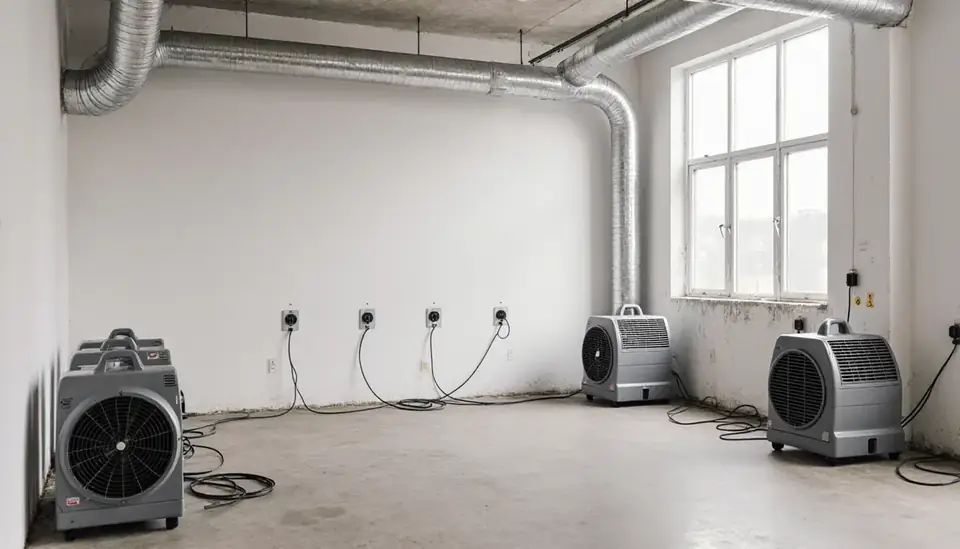
Fast water extraction limits how far water wicks into drywall and subfloor. After that, documented structural drying is what confirms the framing and ceiling cavities are actually dry before repairs start.
When Storm Water Gets Inside
Heavy thunderstorms are a regular part of spring and summer in this part of Georgia, and winter can bring hard freezes. Rainwater pushed in under a door or through a basement wall is generally treated as contaminated, since it has run across yards and pavement. That changes the cleanup: soaked carpet pad and the lower section of drywall are usually removed rather than dried in place, and surfaces are cleaned before drying equipment goes in.
Photograph the water line on walls and the damaged items before anything leaves the house. Homeowners policies usually exclude surface flooding, so separate flood coverage is the only way most people are covered for outside water entering the home.

Mold, Humidity and Busy Households
Warm, humid months in Loganville give mold an easy start on anything left wet. Carpet pad, drywall behind a vanity, the inside of a kitchen sink cabinet and closets with poor airflow are frequent spots. A slow leak under a bathroom sink can go unnoticed in a busy house for weeks.
If you notice a musty smell, warped baseboards or dark staining, find and stop the moisture source first. Professional mold removal makes sense for larger areas or growth inside walls, and it should always include drying the structure so the problem does not return.
Areas In and Around Loganville
The same line also serves nearby communities such as:
- Snellville
- Grayson
- Monroe
- Walnut Grove
- Between
- Dacula
Questions From Loganville Property Owners
My Loganville address is in Gwinnett County. Does that change anything?
It can change which county handles emergency alerts, permits for repair work and stormwater questions, though city services may still apply. Check your property tax bill or county parcel records to confirm. The restoration process is the same either way, and the providers we connect you with typically serve both the Walton and Gwinnett sides of town.
Water came through my ceiling from an upstairs bathroom. Is the drywall ruined?
Not necessarily. Ceiling drywall soaked by a clean supply line can sometimes be dried in place if it has not sagged or lost its shape. If the ceiling is bowing, stained heavily, or the water came from a toilet drain, removal is more likely. A provider should take moisture readings in the ceiling cavity and the walls below before deciding.
How do I check flood risk for my home?
Search your address on the FEMA Flood Map Service Center to see whether it sits in a mapped flood zone. Many homes around Loganville are outside mapped zones but still see runoff during heavy storms. Watch where water pools in your yard during a downpour, and consider grading or drainage improvements if it collects against the foundation.
What does it cost to call The Restoration Job?
Calling (888) 317-9980 is free. We connect you with an independent restoration provider that serves your area, and that provider gives you its own assessment and estimate. You decide whether to hire them, and any agreement is directly between you and the provider.