
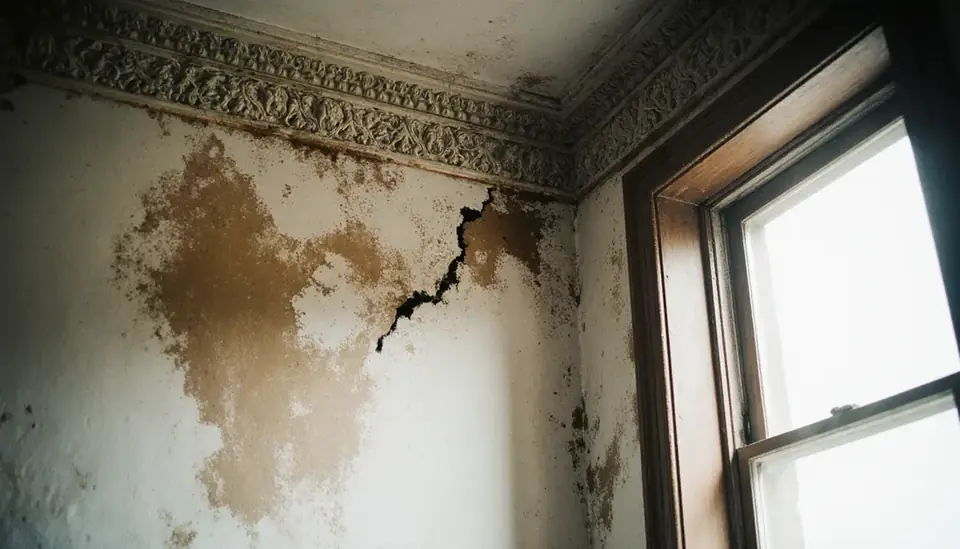
Two big cotton mills once drove the economy of Walton County's seat, and in the early 1900s Monroe was among the leading cotton producers in Georgia. Those mill buildings now hold antique markets, event space and shops, and the town around them has grown into a mix of older houses near downtown and newer neighborhoods along the highways. Water problems here range from a roof leak over a century-old brick wall to a backed-up drain in a house built a few years ago.
The Restoration Job connects callers with independent restoration providers; it does not perform the work itself. Call (888) 317-9980, day or night, and we'll connect you with a provider that serves Monroe and the surrounding part of Walton County.
How the call works: when you call (888) 317-9980, The Restoration Job connects you with an independent restoration provider that serves Monroe. That provider inspects the damage, explains the scope and quotes the work. The Restoration Job doesn't perform restoration itself. Read our referral disclosure.
On the Divide Between the Ocmulgee and the Oconee
Walton County straddles two river systems. Its western half, in an arc running from Social Circle through Monroe to northeast of Loganville, drains to the Upper Ocmulgee by way of streams like the Alcovy River. The eastern half drains to the Upper Oconee, with the Apalachee River along the county's eastern edge. Monroe, at about 909 feet, sits close to that dividing line.
Living near a drainage divide means the creeks around town are small headwater streams rather than large rivers. They rise fast in a downpour and drop fast afterward. The flooding risk is less about a slow-rising river and more about flash runoff: storm drains overwhelmed, water sheeting across clay yards, and low spots or driveways that funnel water toward garages and basements. A FEMA flood map check shows the mapped zones, but your own observations of where water collects during heavy rain are just as valuable.
Mill Buildings, Brick Storefronts and Commercial Leaks
Repurposed industrial and downtown buildings bring their own water issues. Large roofs with internal drains, aging parapet flashing, old masonry that absorbs rain, and fire sprinkler systems that can freeze or be damaged all show up in commercial losses. When a business shares a building with other tenants, water from one space often reaches another before anyone notices.
- Locate the building's main water shutoff and sprinkler control valve before you need them.
- Know who is responsible for the roof and drains: the owner, a management company or individual tenants.
- Move inventory and records off the floor at the first sign of a leak, and photograph everything.
A provider handling water damage repair in commercial space will usually work around business hours where it can, but drying cannot be rushed if the masonry and subfloor are soaked.

Sewer Backups and Contaminated Water
A floor drain bubbling up or a toilet overflowing with wastewater calls for a different response than a clean supply-line leak. Sewage carries bacteria and other contaminants, so porous materials it touches, such as carpet, pad and the lower part of drywall, generally have to be removed rather than dried in place.
Keep people and pets out of the area, stop using water in the house, and avoid running the HVAC if it could spread odors and moisture. Specialized sewage cleanup involves protective equipment, removal of affected materials, cleaning and disinfection of hard surfaces, and then drying. Ask your insurer whether your policy includes sewer or drain backup coverage; it is often an optional addition rather than standard.
Mold Prevention After a Leak in Monroe
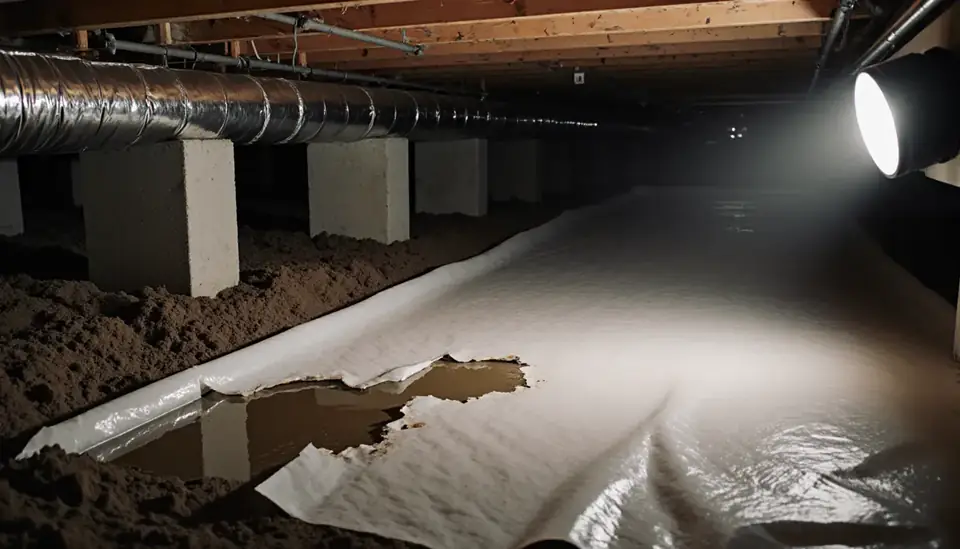
Central Georgia summers bring long stretches of warm, humid weather, and mold can start on wet building materials within a day or two. Older homes with crawl spaces and buildings with thick masonry walls can hold moisture for a long time, so a leak that seemed minor may leave dampness behind.
Watch for musty odors, staining that spreads, or paint and wallpaper lifting near the floor. Small surface spots can be cleaned, but recurring or widespread growth calls for professional mold cleanup that includes finding and correcting the moisture source.
Thunderstorms, Ice and Fallen Trees in Walton County
Severe thunderstorms roll across the Piedmont in spring and summer, and occasional winter ice storms bring down limbs and power lines. Mature hardwoods around older homes are lovely until one drops onto a roof. Once a roof is open, rain keeps adding damage to the attic, ceilings and walls until a tarp is in place.
Stay clear of downed lines, then document the damage with photos before any cleanup. Freezing temperatures can also split pipes in exterior walls and crawl spaces, and those leaks usually show up during the thaw.
Where Callers in the Monroe Area Are
The same line also serves nearby communities such as:
- Loganville
- Social Circle
- Walnut Grove
- Between
- Good Hope
- Covington
Common Questions
Is flood insurance worth considering in Monroe if I'm not near a river?
Many homes here sit near small headwater creeks rather than large rivers, but flash runoff from heavy rain can still reach garages, crawl spaces and lower levels. Standard homeowners policies usually exclude surface flooding. Check your address on the FEMA flood map, then talk with your agent about whether separate flood coverage makes sense for your situation.
Water came up through my floor drain. Is it safe to clean up myself?
Water from a drain backup is usually contaminated with sewage, which is a health concern. Wear gloves and boots if you must enter the area, keep children and pets away, and do not try to save soaked carpet or pad. Professional cleanup includes removing affected porous materials, disinfecting hard surfaces and drying the structure properly.
My business is in an older downtown building. Who handles a roof leak?
It depends on your lease or ownership arrangement. In many commercial buildings the owner is responsible for the roof and drains, while tenants handle their own contents and finishes. Notify the owner or manager right away, document the damage, and protect inventory. A restoration provider can work with both parties to dry the space.
Can I get help outside business hours?
Yes. The Restoration Job's phone line operates 24/7, and many independent providers serving Walton County offer emergency service, though availability can vary after widespread storms. Call (888) 317-9980 and we'll connect you with a provider that serves Monroe so you can discuss timing directly.