
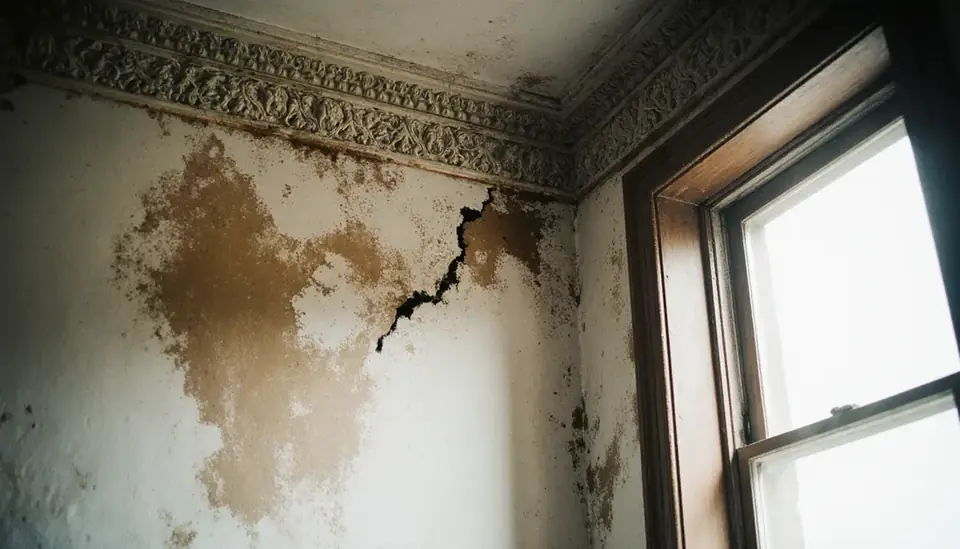
Newton County's seat has been collecting houses since 1821. Sherman's troops looted Covington in 1864 but left several antebellum homes standing, and two historic districts now cover Floyd Street and the downtown square on one side and North Emory and Odum streets on the other. Around that core are later mill-era houses and modern subdivisions, so a single afternoon storm can mean a plaster ceiling leak downtown and a flooded slab-on-grade garage a few miles out.
Calls to (888) 317-9980 are free, the line is open 24/7, and we'll connect you with an independent restoration provider that serves Covington and Newton County. That company inspects the damage, explains what it recommends and does the work if you hire it.
How the call works: when you call (888) 317-9980, The Restoration Job connects you with an independent restoration provider that serves Covington. That provider inspects the damage, explains the scope and quotes the work. The Restoration Job doesn't perform restoration itself. Read our referral disclosure.
Three Rivers Heading for Jackson Lake
At about 741 feet, Covington sits lower than most of the eastern Atlanta suburbs, in country where several rivers converge. The Alcovy River comes south out of Gwinnett and Walton counties and, north of Interstate 20, spreads into a lowland swamp of tupelo gum for roughly four miles before becoming a Piedmont stream again. The Yellow River passes through neighboring Porterdale. Both end at Jackson Lake, where the Alcovy, Yellow and South rivers combine to form the Ocmulgee.
Most of Newton County drains to the Upper Ocmulgee, with a smaller eastern slice draining to the Oconee. Floodplain land along these rivers and their creeks holds water after long rains, and roads near the bottoms can close. If you live near any of them, check the FEMA flood map and keep a separate flood policy in mind, since standard homeowners coverage usually excludes rising water.
Plaster, Heart Pine and Crawl Spaces in the Historic Districts
Water behaves differently in a house built before modern drywall. Plaster on wood lath holds moisture longer and can lose its bond with the lath, so a ceiling that looks fine one day can sag the next. Old-growth pine floors cup and crown when wet, and many older homes sit over vented crawl spaces where humidity lingers long after a leak is fixed.
- Ask for moisture readings in plaster, framing and subfloor before anything is torn out; careful drying can sometimes save original materials.
- Expect drying to take longer than in a modern house, and avoid aggressive heat that can crack plaster or split trim.
- Before demolition, check whether the property is subject to local historic preservation approval.
Providers experienced with structural drying can set up containment and dehumidification aimed at preserving what can be saved rather than defaulting to demolition.
Storm Season Lessons From January 2023
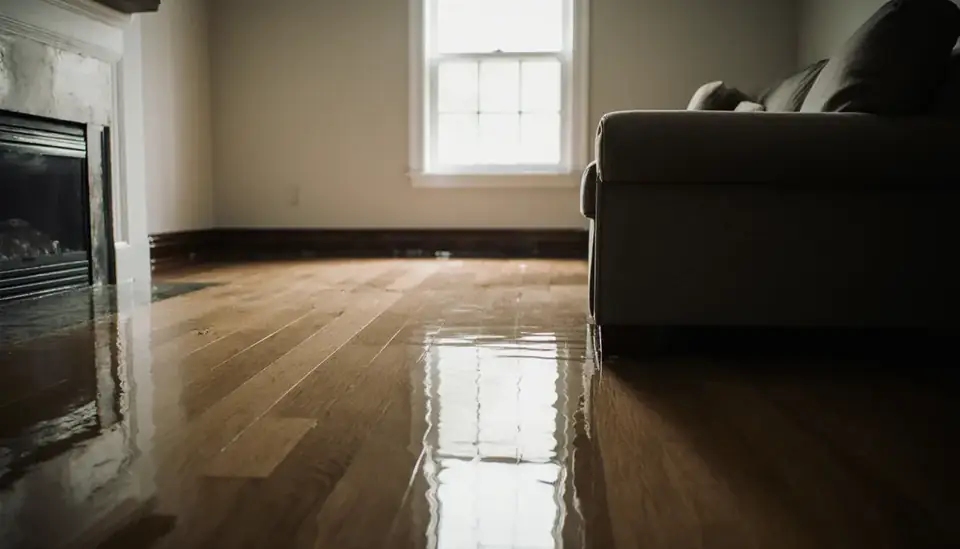
Severe weather here is not limited to spring. On January 12, 2023, a tornado outbreak crossed central Georgia, and an EF2 tornado caused major damage to houses in several neighborhoods along the shore of Jackson Lake south of town. A falling tree killed a passenger in a car on Haley Road during that storm.
Tree damage is the common thread. A trunk or large limb through a roof lets in rain for every storm that follows until the opening is covered. After making sure everyone is safe and avoiding downed lines, photograph the damage, tarp or arrange tarping, and get wet insulation and ceilings dried before they start to smell.
Day-to-Day Leaks Across Newton County
Not every call follows a storm. Supply lines under sinks, failing water heaters, dishwasher connections and HVAC condensate drains cause a large share of household water damage in Covington, and these leaks often run unseen inside cabinets or wall cavities. A spike in the water bill, a soft spot in the floor or paint bubbling near a baseboard are all worth investigating.
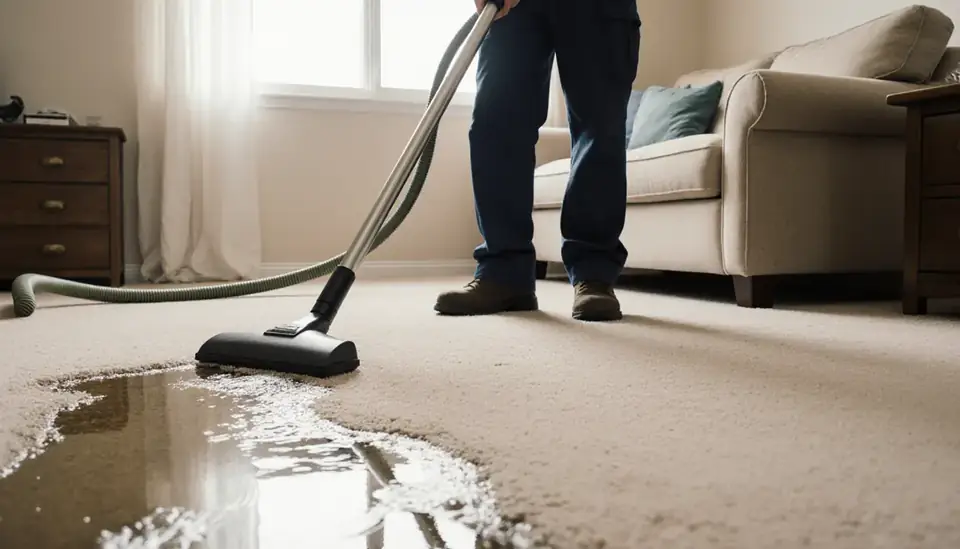
A full water damage restoration job usually moves in stages: stop the source, extract standing water, remove materials that cannot be dried, run drying equipment with documented readings, then rebuild. Ask whoever you hire to explain each stage and what they expect to find inside the wall.
Mold Risk in Older Covington Homes
Humid summers, shaded lots and crawl spaces give mold plenty of chances in this part of Georgia. In older houses, growth often starts where no one looks: the underside of subflooring, inside a plaster wall or behind built-in cabinetry. A musty odor that comes back on muggy days is often the first clue.
Effective mold remediation starts with finding the moisture source, whether a plumbing leak, a roof flashing failure or poor crawl space ventilation. Affected materials are then contained, removed or cleaned, and the area is dried. Painting over stains without fixing the moisture only hides the problem.
Where Callers in the Covington Area Are
Calls come in from across Covington, including:
- Covington Historic District
- North Covington Historic District
The same line also serves nearby communities such as:
Questions From Covington Property Owners
My Covington home has plaster walls. Do they have to come out after a leak?
Not always. Plaster tolerates brief wetting better than drywall in some ways, but it dries slowly and can detach from the lath. A provider should take moisture readings, check for sagging or loose keys, and try controlled drying first when the water was clean. Plaster soaked by floodwater or sewage is a different case, because contamination usually means removal.
Is there anything special about historic district properties?
Covington has two historic districts, and exterior changes to properties in designated areas may need local preservation approval. Emergency steps such as tarping a roof or drying the interior are generally fine, but check with the city before replacing original windows, siding or roofing materials. Keep photos of the original features in case you need to document what was there.
Can the Alcovy or Yellow River flood homes in town?
Most of the city sits above those rivers, but low-lying land along their floodplains and the creeks feeding them can take on water during long, heavy rains. Neighboring Porterdale sits right on the Yellow River. Check your address on the FEMA flood map, and watch for runoff collecting against foundations, which affects far more homes than river flooding.
How quickly should drying begin after a leak?
As soon as you can arrange it. Wet materials are much easier to save in the first day or two, and the longer water sits, the more likely mold growth and swelling become. Call (888) 317-9980 and we'll connect you with an independent provider in Newton County that can discuss timing and next steps directly.