
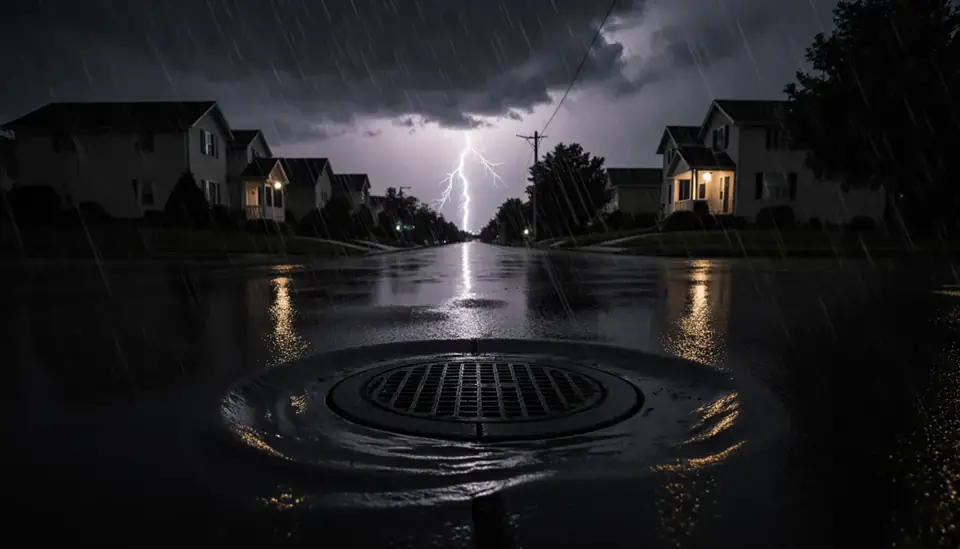
Hurricane Helene changed the way many Coffee County families think about storms. In late September 2024, a weather station just east of Douglas measured a gust of 92 mph, and an estimated 80 to 85 percent of homes in the county were damaged. Roofs came off, carports folded and mobile homes were destroyed. Months later, some of the most stubborn problems were not the visible wind damage but the water that came in afterward through broken roofs and windows.
The Restoration Job is a no-cost referral service. When you call (888) 317-9980, day or night, we connect you with an independent restoration company that serves the Douglas area. That company does the hands-on work of drying, cleaning and repairing; we are the phone call that gets you to them.
How the call works: when you call (888) 317-9980, The Restoration Job connects you with an independent restoration provider that serves Douglas. That provider inspects the damage, explains the scope and quotes the work. The Restoration Job doesn't perform restoration itself. Read our referral disclosure.
Helene in Coffee County: Roofs, Carports and Mobile Homes
Helene made landfall in Florida's Big Bend on September 26, 2024, and kept hurricane-force gusts deep into south Georgia. Beyond the damage in town, an EF0 tornado touched down near Broxton, and a shelter in Nicholls lost its roof. One death was reported in Coffee County. The pattern was typical of an inland hurricane: wind did the first round of damage, and rain falling into opened buildings did the second.
Manufactured homes, which are common across the county, are especially vulnerable. A loosened roof seam or skirting torn away lets water reach the subfloor and insulation underneath, where it can stay hidden. If your home went through Helene or a later storm, have the underside and ceiling cavities checked even if the interior looks dry. Prompt water damage repair prevents a small leak from rotting out decking and subfloor over the following months.
Creeks and Ponds on the Satilla Headwaters
Most of Coffee County drains into the Satilla River basin. Twenty Mile Creek and the Seventeen Mile River, a Satilla tributary, run near the city, and Hilliard's Pond sits close by. The northern part of the county near Broxton drains instead toward the Ocmulgee and Altamaha, and the southwestern corner toward the Alapaha. On this flat terrain, heavy downpours fill ditches and low yards quickly, and homes near creek bottoms can see water under the house before the street floods.
Tropical rain can be intense here even without a direct hit. During Hurricane Idalia in August 2023, a volunteer gauge just west-southwest of Douglas measured nearly 6 inches of rain. Look up your property on FEMA's flood map and remember that homeowners insurance generally does not cover rising water; a separate flood policy does.
Historic Downtown and Gaskin Avenue Houses
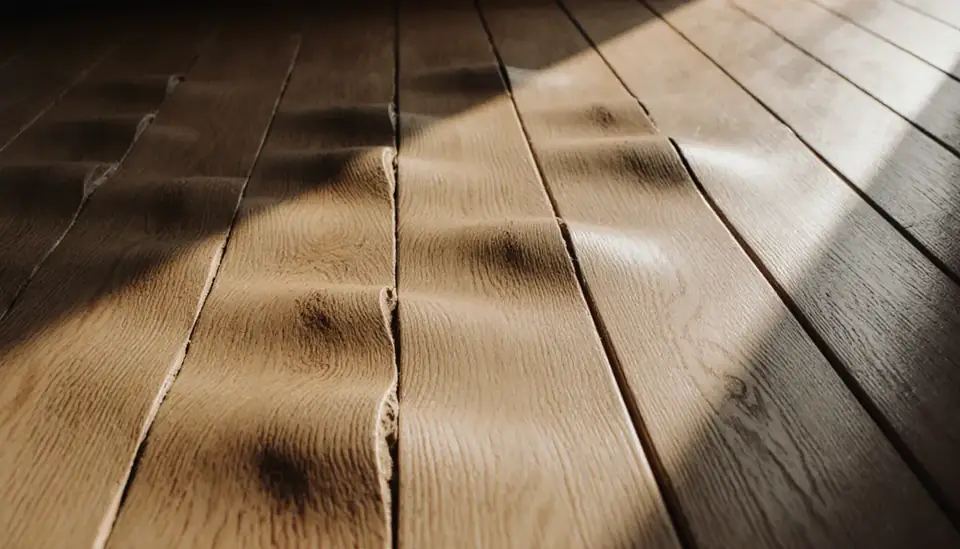
Douglas was founded in 1855 and became a major tobacco market in the 1920s and 1930s, and two areas from that history, the downtown and Gaskin Avenue historic districts, were listed on the National Register in 1989. Older commercial buildings and houses in those districts tend to have flat or low-slope roofs, original wood floors and plumbing that has been altered many times. Leaks in these buildings often travel along beams and show up far from their source, so finding the entry point matters as much as drying the wet area.
Getting a Storm-Damaged House Dried Out
The order of operations after a storm in Douglas usually looks like this:
- Make the structure safe: keep clear of downed lines and have trees removed from the roof by a qualified crew.
- Cover openings with tarps or boards so the next shower does not add water.
- Photograph damage before cleanup and keep receipts for emergency repairs, which insurers usually expect you to make.
- Remove soaked insulation, carpet and pad; ceiling insulation that got wet rarely dries well in place.
- Dry walls, floors and framing with dehumidifiers and air movers, verified with moisture readings.
A storm damage cleanup provider can handle several of these steps together and coordinate with roofers.

Long Summers and Mold in Coffee County
Douglas averages about 50 inches of rain a year, with the heaviest totals in summer and fall, right when temperatures and humidity peak. That is also hurricane season. A ceiling that stays damp for a few days in September can grow mold before anyone notices. Signs to watch for include brown rings on ceilings, a musty odor in closets and soft spots in floors. If mold appears, removal of the affected materials and correction of the leak are what solve it; painting over stains only hides the problem.
Areas In and Around Douglas
Calls come in from across Douglas, including:
- Downtown Douglas
- Gaskin Avenue Historic District
The same line also serves nearby communities such as:
- Nicholls
- Broxton
- Ambrose
- Pearson
- Fitzgerald
Douglas Water Damage Questions
My roof was patched after Helene, but I still smell something musty. What now?
A musty odor after a patched roof leak usually means moisture got into the attic insulation, ceiling drywall or wall cavities before the repair and never fully dried. Ask a restoration provider to take moisture readings and look above the ceiling. Wet insulation is typically replaced, and any mold growth on drywall or framing should be removed rather than painted over.
Are mobile homes in Coffee County handled differently after water damage?
Yes, in a few ways. Manufactured homes often use particleboard subflooring that swells and weakens when wet, and the belly wrap underneath can trap water against the floor system. Drying may require opening the underbelly, and swollen subfloor sections are usually replaced. Check the roof seams and skirting after every major storm.
Who can I call in Douglas at night when a pipe bursts?
Turn off the main water valve first, then call (888) 317-9980. The line is answered 24/7, and we will connect you with an independent restoration provider serving Douglas and the surrounding part of Coffee County. Many providers offer emergency service for active leaks, though availability depends on the company and on demand after big storms.