
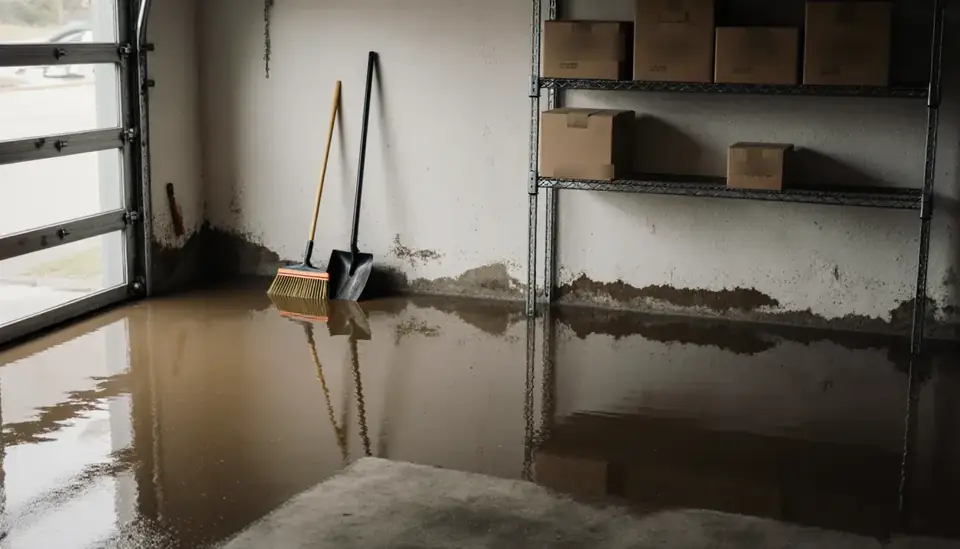
Ware County is the largest county in Georgia by land area, and a large share of it lies inside the Okefenokee Swamp. Waycross, the county seat and its only incorporated city, sits at about 130 feet above sea level on flat coastal-plain ground where rainwater has few places to go quickly. The Satilla River, the largest blackwater river contained entirely within Georgia, passes the city, and Tebeau Creek winds through town on its way to it. That combination of low relief, saturated soils and roughly 50 inches of rain a year shapes how water gets into houses here and how long it lingers.
Our phone line is free and staffed around the clock: call (888) 317-9980 and we will connect you with an independent restoration company that works in Ware County. Those providers handle the actual extraction, drying and repair; our role is getting you to one quickly, whether the problem is a leaking roof after a tropical storm, a flooded floor from a failed supply line, or a crawl space holding water after days of rain.
How the call works: when you call (888) 317-9980, The Restoration Job connects you with an independent restoration provider that serves Waycross. That provider inspects the damage, explains the scope and quotes the work. The Restoration Job doesn't perform restoration itself. Read our referral disclosure.
Blackwater Country: Tebeau Creek, the Satilla and the Okefenokee Edge
Three river systems drain Ware County. More than half of it feeds the upper Suwannee, the eastern half of the southern section feeds the St. Marys, and the land from the southeast around to the north and west of Waycross drains into the Satilla. The Okefenokee itself is a 438,000-acre peat basin that serves as the headwaters of both the Suwannee and the St. Marys. Water in this landscape moves slowly, and after a long wet spell yards, ditches and low streets can stay soggy for days.
For a homeowner, that slow drainage matters more than any single river crest. Ground that is already saturated cannot absorb another heavy shower, so runoff collects against foundations and under raised floors. Properties near Tebeau Creek or other low drainage paths tend to see standing water first. Before buying or renovating, pull up the address on FEMA's flood map; a home outside a mapped flood zone can still collect water when the swamp-edge water table is high.
What Irma and Idalia Taught Ware County About Wind and Rain
Hurricane Irma tracked up the Florida peninsula in September 2017 but reached well into southeast Georgia. The National Weather Service office in Jacksonville logged 6.86 inches of rain at Waycross and a peak gust of 42 knots at the Waycross airport on September 11, and the nearby Alabaha River near Blackshear crested in minor flood the next day. That much rain overwhelms gutters and soaks attic insulation wherever shingles lifted.
Hurricane Idalia in 2023 was a reminder that trees, not water, often cause the worst damage. The Jacksonville office recorded a snapped tree falling onto a Waycross house and causing major damage. Once a trunk opens a roof, every following rain adds to the problem, so emergency tarping and prompt storm damage cleanup are usually the first jobs after a tropical system passes through.

Older Homes in the Waycross Historic Districts
Waycross grew as a railroad junction in the late 1800s, and the Downtown Waycross Historic District and the separate Waycross Historic District preserve much of that era on the National Register. Older houses there and elsewhere in town often sit on piers over crawl spaces, with wood floors, plaster walls and plumbing that has been patched over many decades. Those features change how a water loss is handled:
- Water from a burst pipe or overflow drops straight through floorboards into the crawl space, where it can sit unseen.
- Plaster holds moisture longer than drywall and may need targeted drying rather than tear-out.
- Old cast-iron or galvanized lines can fail without warning, especially during the occasional hard freeze; Waycross has recorded lows as cold as 2°F.
- Historic trim and flooring are worth saving, which favors careful structural drying over demolition when the water is clean.
First Steps After Water Gets In on Low, Flat Ground
Shut off the water main if a pipe or appliance is the source, and turn off power to any wet circuits. Photograph every affected room, the waterline on walls, and damaged belongings before moving anything; insurers will want to see it. Check the crawl space with a flashlight if you can do so safely, because standing water underneath a house is easy to miss from inside.
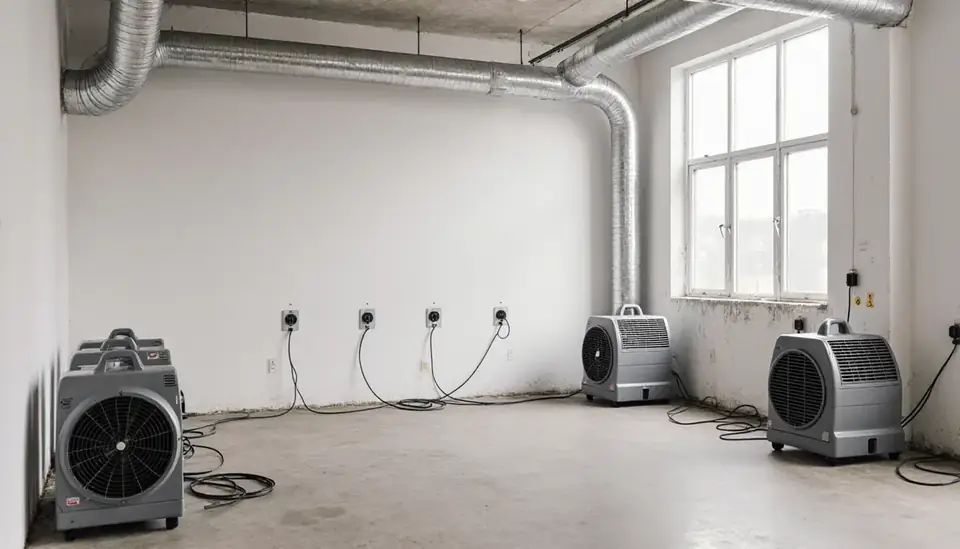
Flood water from outside is treated differently from a clean supply-line leak. Runoff that has crossed yards and ditches can carry soil, fertilizer and septic contamination, so porous materials it touched are usually removed rather than dried. Keep in mind that standard homeowners policies typically exclude rising water; that coverage comes from a separate flood policy. A restoration provider will generally extract standing water, measure moisture in floors and framing, then run air movers and dehumidifiers until readings return to normal for the building materials.
Mold Risk in a Swamp-Edge Climate
Summer highs in Waycross run into the low 90s, and the air off the Okefenokee rarely dries out. In those conditions, damp drywall, carpet pad or subfloor can begin growing mold within a couple of days. Crawl spaces are the usual trouble spot: once wet, they stay humid, and the moisture migrates up into the floor system. If you notice a musty smell, cupping floorboards or staining at the base of walls after a leak, ask for an inspection. Professional mold remediation focuses on removing affected material and fixing the moisture source, not just treating the surface.
Areas In and Around Waycross
Calls come in from across Waycross, including:
- Downtown Waycross Historic District
- Waycross Historic District
The same line also serves nearby communities such as:
- Blackshear
- Patterson
- Alma
- Homerville
- Pearson
Questions From Waycross Property Owners
Does Waycross flood from the Okefenokee Swamp?
The swamp does not spill into town the way a river overtops a levee, but it shapes local drainage. Much of Ware County sits in the Okefenokee's watershed, the land is flat and the water table stays high, so heavy rain drains slowly. In practice, homeowners deal more with ponding, saturated crawl spaces and slow-draining yards than with a single dramatic flood crest.
A pine fell on my Waycross roof. What comes first?
Get everyone out of the affected rooms and keep away from downed lines. Once it is safe, the roof opening needs to be covered quickly, because the next rain will add to the damage. Photograph everything, call your insurer, and arrange tree removal and tarping. A restoration provider can then extract water, pull out wet insulation and dry the ceiling and wall cavities underneath.
Is my crawl space really a problem if I cannot see water inside?
Often, yes. In older pier-and-beam homes, water from a leak or from saturated ground can collect under the house without any sign on the floor above. In this humid climate that hidden moisture can lead to wood rot, sagging joists and mold growth. A moisture check with meters, and drying with dehumidifiers if needed, is worth doing after any significant leak or heavy rain.
How do I reach a restoration company that serves Ware County?
Call (888) 317-9980 at any hour. The Restoration Job is a referral service, so we connect you with an independent provider that works in the Waycross area. That company will assess the damage, explain what it recommends and handle the work directly with you. Many providers offer emergency service, though availability varies.