
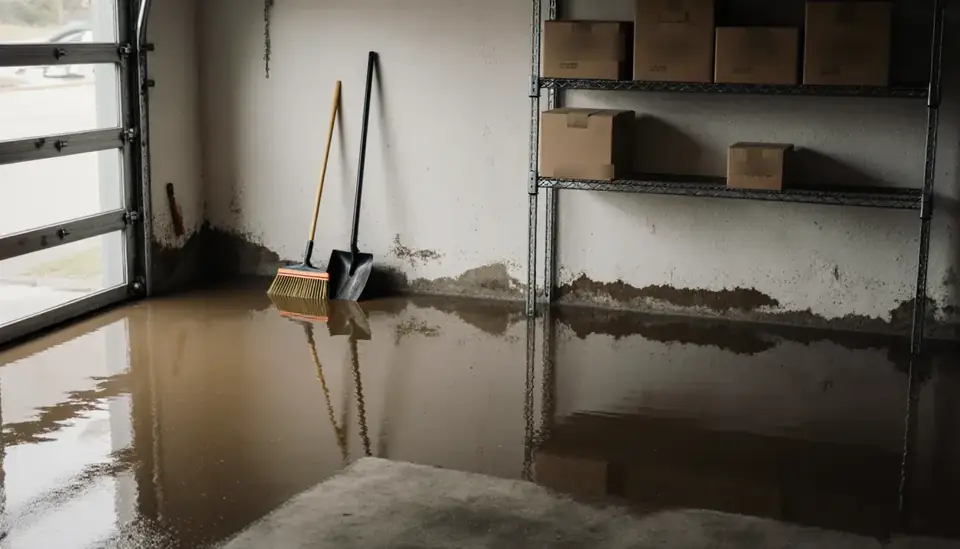
Albany grew up on the banks of the Flint River, and the river has shaped the city ever since. Major floods hit in 1841, 1925, 1994 and 1998, and after the worst of them the city chose to turn its riverfront into a walkway and an aquarium rather than rebuild commercial blocks in harm's way. For the nearly 70,000 people who live in the city, the Flint is only part of the story; tornadoes and Hurricane Michael have done as much damage to roofs and ceilings as rising water has to floors.
The Restoration Job is a free service that connects callers with independent restoration companies; it does not do the work itself. The line is open 24/7. Call (888) 317-9980 and we'll connect you with an independent restoration provider that serves Albany and Dougherty County.
How the call works: when you call (888) 317-9980, The Restoration Job connects you with an independent restoration provider that serves Albany. That provider inspects the damage, explains the scope and quotes the work. The Restoration Job doesn't perform restoration itself. Read our referral disclosure.
Living With the Flint: 1994, 1998 and the Lessons Since
The July 1994 flood from Tropical Storm Alberto remains the city's defining disaster. The Flint left its banks and more than 20,000 residents had to evacuate; the flood cut Albany in half, and caskets were lifted out of a cemetery and carried off by the water. Four years later, in 1998, the river crested about 35 feet above its bed and flooded parts of Albany again.
The Flint is not the only waterway to watch. Dougherty County also drains through Kinchafoonee, Muckalee and Ichawaynochaway creeks, and low ground along any of them can take on water in a long rain. The City of Albany's flood page links to a GIS flood zone map, the state's digital flood maps and the Flint River gauge at Albany, so residents can see current river levels during a wet spell. Elevation certificates for many addresses are also posted there.
Tornadoes and Hurricane Michael on the South Side
On January 22, 2017, a rain-wrapped EF3 wedge tornado crossed the south side of Albany as part of a track more than 70 miles long, killing five people and destroying mobile home parks. Less than two years later, on October 10, 2018, Hurricane Michael pushed inland from the Florida Panhandle as a major hurricane. Gusts in Albany reached 74 mph, 24,270 customers lost power, and the National Weather Service in Tallahassee noted roofs peeled off buildings and signs blown down in the city. Dougherty County's forests took severe damage.
Wind damage becomes water damage fast. Missing shingles, torn metal roofing and limbs through the deck let rain into attics, and soaked insulation can bring down ceiling drywall. After a storm, storm damage cleanup usually starts with tarping, then removal of saturated ceilings and insulation, then drying of the framing that remains.

Clean Water, Gray Water and Floodwater: What Changes the Job
Restoration work is planned around where the water came from. A burst supply line or a water heater failure is usually clean water, and if extraction and drying start within a day or two, much of the drywall, trim and cabinetry can often be saved. Washing machine overflows and dishwasher leaks fall into a middle category. River water, creek water and street runoff are treated as contaminated; anything porous it touched, from carpet pad to the bottom of the drywall, is normally removed and the remaining surfaces cleaned and disinfected.
- Turn off the water main or the fixture valve.
- Stay out of rooms with standing water until power is shut off.
- Photograph the source, the water line and damaged belongings.
- Call your insurer early; flood policies and homeowners policies are handled separately.
For a lower level or slab home with standing water, professional water extraction followed by dehumidification shortens the time materials stay wet.
Muggy Flint Valley Summers and Mold
Albany averages more than 52 inches of precipitation a year and hears thunder on about 86 days, roughly twice the national figure. Afternoon storms, high dew points and long summers mean a wet house dries slowly on its own. Mold commonly shows up first behind baseboards, under vinyl flooring and on the back of drywall where nobody looks. Fast drying prevents most of it; if growth has spread across a large area, or the musty smell returns after cleaning, the moisture source needs to be found and the affected materials removed under containment.

Businesses, Rentals and Military Families
Albany is home to Albany State University and the Marine Corps Logistics Base, so the city has plenty of rental housing and residents who move in and out on short schedules. Tenants should report leaks to the landlord in writing and keep their own photos. Owners of commercial buildings downtown and along the major corridors should know where shutoffs are, keep the property insurer's claim number handy, and ask a provider whether drying can be done in stages so part of the building stays open where it is safe.
Areas In and Around Albany
Calls come in from across Albany, including:
- Downtown Albany
The same line also serves nearby communities such as:
- Leesburg
- Sylvester
- Camilla
- Dawson
Frequently Asked Questions
How do I know if my Albany property is in a Flint River flood zone?
The City of Albany's Flooding and Flood Prevention page has a GIS map you can search by property, plus a link to Georgia's digital flood insurance rate maps. It also posts elevation certificates for many addresses. Remember that the 1994 and 1998 floods reached beyond what many residents expected, and the county's creeks can flood property some distance from the main river.
Does homeowners insurance cover water from the Flint River?
Generally no. Rising water from a river, creek or overland flow is covered by flood insurance, either through the National Flood Insurance Program or a private carrier, not by a standard homeowners policy. Wind-driven rain through a storm-damaged roof is a different situation and is often handled under the homeowners policy. Read your declarations page and ask your agent which policy applies before cleanup removes the evidence.
A storm left a hole in my roof but the rain has stopped. Can it wait?
Not for long. Afternoon thunderstorms are common in Albany for much of the year, and even a light rain through an open roof can saturate insulation and ceilings. Get the opening tarped as soon as it is safe, then have moisture checked in the attic and the rooms below. Wet insulation should usually come out, since it keeps drywall and framing damp.
Who do I call in the middle of the night for a burst pipe?
Shut off the main first, then call (888) 317-9980. The line is answered 24/7, and we connect you with an independent restoration provider that serves Dougherty County. Many providers often offer emergency extraction, but timing depends on the company and on demand, especially after a regional storm.