

Bainbridge grew up on the Flint River, and the river still defines the town. Just downstream, the Jim Woodruff Dam joins the Flint and the Chattahoochee into Lake Seminole, and barges reach the Gulf of Mexico from Port Bainbridge by way of the Apalachicola. The city sits only about 121 feet above sea level, so a swollen Flint, a stalled tropical system or a line of storms off the Gulf can all put water where it does not belong.
The Restoration Job runs a free referral line for Decatur County and the rest of the state. Call (888) 317-9980 any time, and we will put you in touch with an independent restoration company that serves Bainbridge. That provider handles the inspection, cleanup and drying; we simply make the connection so you are not working through a list of numbers while water spreads.
How the call works: when you call (888) 317-9980, The Restoration Job connects you with an independent restoration provider that serves Bainbridge. That provider inspects the damage, explains the scope and quotes the work. The Restoration Job doesn't perform restoration itself. Read our referral disclosure.
The Flint in Flood: What Alberto Did in 1994
Tropical Storm Alberto stalled over Georgia in July 1994 and produced severe river flooding, with 31 deaths statewide, most of them drownings. Upstream in Albany, the Flint pushed more than 20,000 people from their homes. By the time the crest reached Bainbridge, about 300 residents had evacuated. The river ended up cresting roughly seven feet below the forecast, yet flooding still damaged around 300 homes and more than a dozen businesses in the area.
The lesson for property owners is that the Flint responds to rain falling far to the north, sometimes days earlier. Watch river forecasts, not just the local sky, when a slow-moving storm sits over the middle of the state. If you are near the riverfront or in a low spot that drains toward it, check the FEMA flood map for your address and consider a separate flood policy, since standard homeowners coverage generally excludes rising water.
Hurricane Michael's Path Through Decatur County
On October 10, 2018, Hurricane Michael crossed into Georgia at Donalsonville, just west of Decatur County, still a Category 2 storm. In Bainbridge it brought down trees and power lines across town and caused structural damage to buildings. The National Weather Service in Tallahassee described the timber damage in Seminole, Decatur and Miller counties as catastrophic, and power was out for every customer as far north as Lee County.
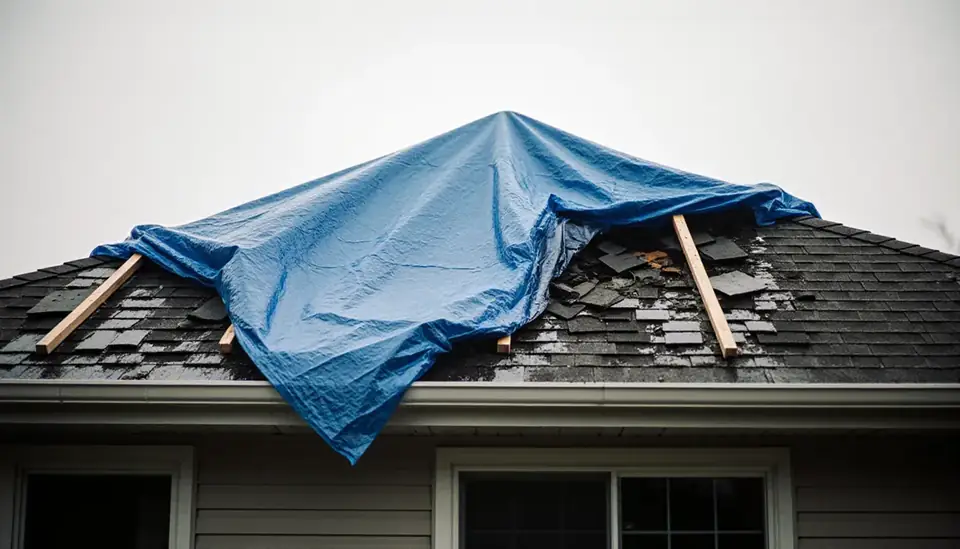
Wind storms like Michael create water damage indirectly. A fallen limb tears a hole in the roof, the power stays off for days so sump pumps and dehumidifiers cannot run, and rain that follows soaks ceilings and insulation. Storm damage cleanup after an event like this usually starts with tarping and debris removal and moves to drying once electricity or generators are available.
Four Watersheds Around One County Seat
Most of Decatur County, including Bainbridge, drains to the lower Flint. Spring Creek runs along nearly the whole western border, the area around Attapulgus feeds the lower Ochlockonee, and the far southwestern corner drains toward the Apalachicola. That means a heavy rain event can raise several streams at once, and rural roads out toward the county line may be cut off even when the city itself stays dry. Homes outside town on wells and septic systems face an added risk: when the ground is saturated, septic fields can back up into the house, which calls for sewage cleanup rather than simple drying.
Cleaning Up After River or Rain Water
Treat any water that came from outside as contaminated. River and runoff water can carry silt, agricultural chemicals and sewage, so restoration crews usually discard soaked carpet, pad and lower drywall instead of trying to dry them in place. A typical sequence looks like this:
- Document the damage with photos and video, including the high-water mark on walls.
- Extract standing water and shovel out mud while it is still wet.
- Remove porous materials below the waterline and clean framing with an appropriate disinfectant.
- Dry the structure with dehumidifiers and air movers, checking moisture levels in studs and subfloor until they reach normal ranges.
- Only then close walls back up; sealing damp framing traps moisture inside.
A clean-water leak from a supply line or water heater is simpler, and quick action often lets wood floors and drywall be dried rather than replaced.
Humidity, Lake Seminole and Mold
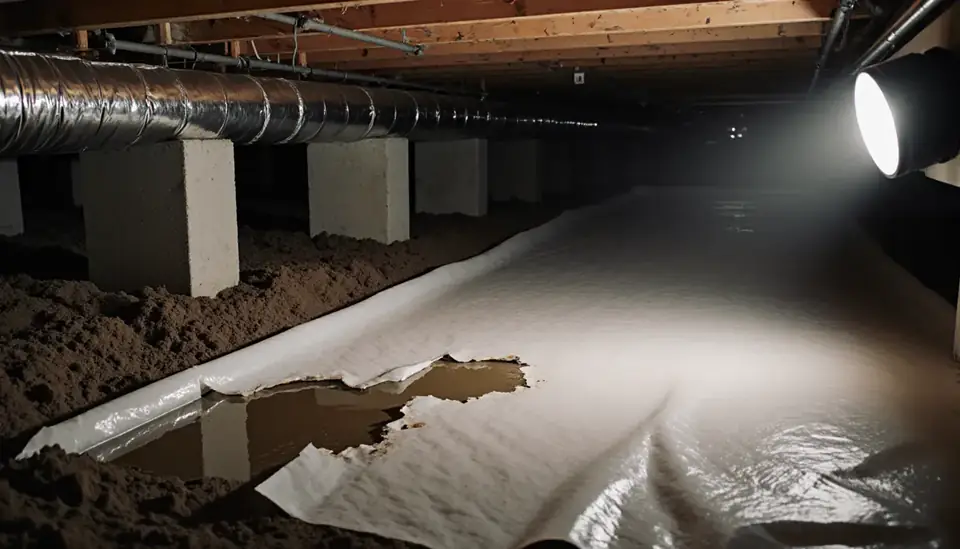
Southwest Georgia summers are long and muggy, and properties near the river or the lake tend to hold moisture in crawl spaces and wall cavities. Once materials stay wet for more than a day or two, mold can start to grow, and the musty smell is often the first clue. After any flood or leak, ask the restoration provider to check hidden areas such as the back of cabinets and the underside of subfloors. If growth is found, mold remediation means removing affected materials under containment and fixing the moisture source so it does not return.
Areas In and Around Bainbridge
The same line also serves nearby communities such as:
- Attapulgus
- Climax
- Brinson
- Donalsonville
- Whigham
- Cairo
Frequently Asked Questions
How much warning does Bainbridge get before the Flint River floods?
Usually more than a creek would give, because the Flint's crest is driven by rain falling upstream across middle and southwest Georgia. Forecasters can project a crest days ahead, as they did during Alberto in 1994, though the actual level can differ from the forecast. Use that lead time to move valuables up, photograph your belongings and confirm whether your flood policy is active.
Does living near Lake Seminole mean my home is in a flood zone?
Not automatically. Flood zone status depends on your exact elevation and the mapped floodplain, not just distance to the water. Look up your address on the FEMA Flood Map Service Center to see the official designation. Even outside a mapped zone, heavy rain and saturated ground can still put water into low-lying homes, so many owners nearby carry flood coverage anyway.
The power is out after a storm and my house has water in it. What can I do?
Start removing water by hand with mops, towels and wet vacuums if you have a generator, and open windows when outdoor air is drier than inside. Pull up wet rugs and move furniture onto blocks. Photograph everything. When you call (888) 317-9980, mention that power is out; some restoration providers can bring generators for pumps and dehumidifiers.