

LaGrange sits at about 780 feet in the Piedmont foothills, roughly 60 miles southwest of Atlanta, with West Point Lake spreading across the countryside to the west. It is a textile town turned manufacturing hub, home to LaGrange College and crossed by Interstates 85 and 185. The housing reflects that history: older houses close to the courthouse square, mill-era cottages, rentals near campus and lake properties out toward the water. Storm damage has been the headline risk in recent years, after a tornado ripped through the south side of the city in January 2023.
The Restoration Job connects callers with independent restoration providers; we do not do the work ourselves. Our line is free and answered 24/7. Call (888) 317-9980 and we'll connect you with a third-party provider that serves LaGrange and the rest of Troup County.
How the call works: when you call (888) 317-9980, The Restoration Job connects you with an independent restoration provider that serves LaGrange. That provider inspects the damage, explains the scope and quotes the work. The Restoration Job doesn't perform restoration itself. Read our referral disclosure.
After the January 2023 Tornado: Roofs, Rain and Open Walls
On January 12, 2023, an EF2 tornado touched down in the southern part of LaGrange and tracked nearly 19 miles through Troup and Meriwether counties. Warehouses and metal industrial buildings were damaged or destroyed, more than 30 homes had significant damage, and some lost roofs, exterior walls or entire second stories. Four people were hurt in the Mountville area. Nearly nine years earlier, on April 28, 2014, an EF2 with 120 mph winds crossed rural Troup County near Harrisonville.
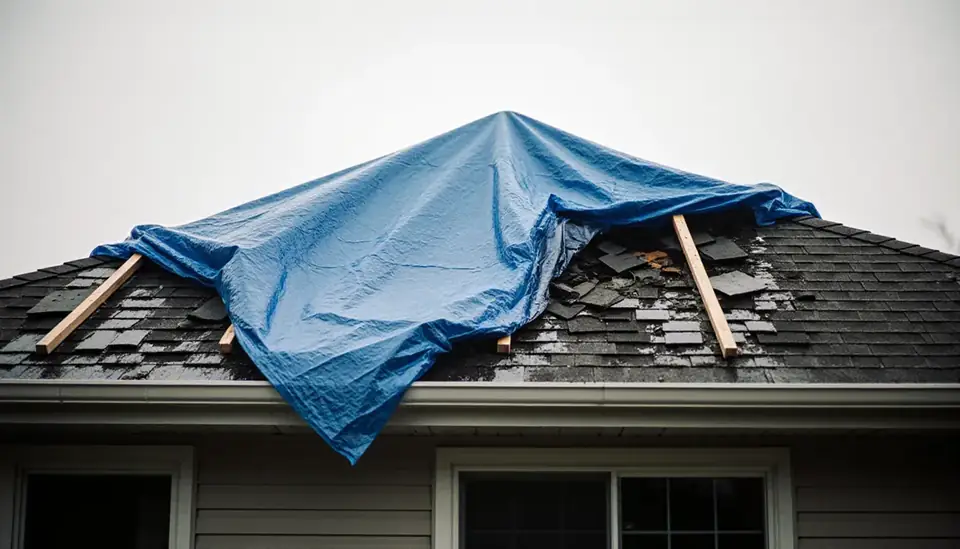
Here the wind usually does the first harm and rain does the rest. A house with a missing section of roof or a broken window takes in rain with every passing shower, and soaked insulation and ceiling drywall can bring a ceiling down days later. Storm damage cleanup usually begins with tarping and boarding, then moves to tearing out wet materials so the framing can be dried before rebuilding.
West Point Lake Homes and Low Ground Along the Creeks
West Point Lake was authorized by the Flood Control Act of 1962 and filled in 1975. The U.S. Army Corps of Engineers runs it for flood control, hydropower and water supply, and its 25,864 acres make lakefront living a big part of Troup County. Lake homes bring their own leak patterns: basements and lower levels cut into slopes, boathouse and dock plumbing, and second homes where a failed supply line can run for days before anyone visits.
Away from the lake, red clay soils shed hard rain rather than soaking it up, so water runs toward foundations on sloped lots. Gutter downspouts that empty against the house are a common culprit for wet crawl spaces and basements. Rising surface water is not covered by a standard homeowners policy, so if your lot sits low, it is worth looking it up on the FEMA flood map and asking your agent about a separate flood policy.
City Power and Water: Who to Call First
Unlike many Georgia towns, LaGrange supplies power and water to residents directly through city utilities. That matters in the first minutes of a leak or storm:
- A break on your side of the meter is yours to stop. Close the main shutoff valve, usually where the line enters the house or in a crawl space, then call a plumber.
- A break at the street or the meter is a city utility issue, so report it to the city rather than waiting for a contractor.
- Downed lines after a storm should be treated as live. Stay away and report them; do not walk through standing water near a damaged service drop.
Once the source is stopped, document everything with photos before cleanup starts.
What Drying Out a Troup County Home Involves
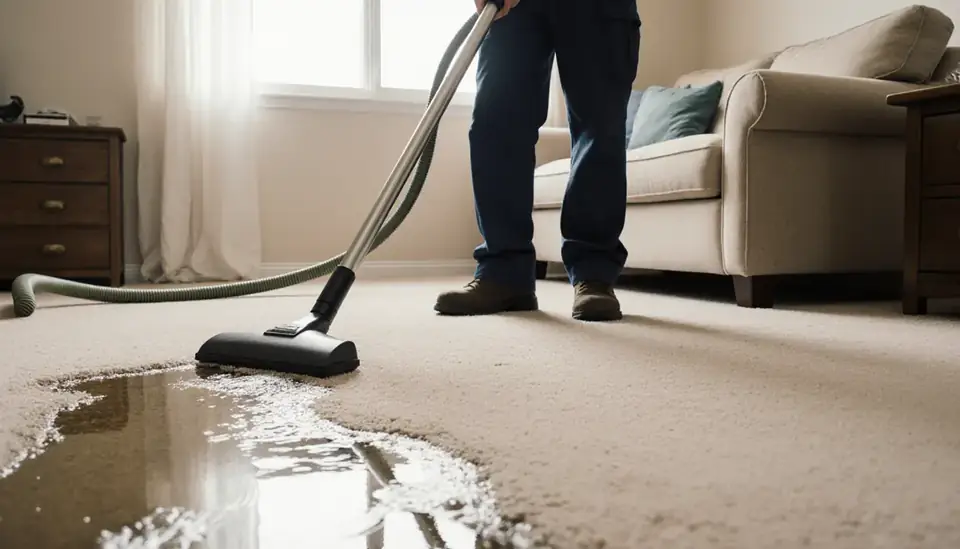
A restoration provider will typically begin by finding how far the water traveled, using moisture meters and thermal cameras to trace it under flooring and behind baseboards. Standing water comes out first through water extraction. Then the drying phase begins, with air movers along the walls and dehumidifiers pulling moisture out of the air, sometimes with baseboards removed or small holes drilled to vent wall cavities.
Older LaGrange homes with plaster walls and wood floors can often be dried in place if work starts promptly. Carpet pad, laminate and swollen particleboard cabinets usually cannot. Ask the provider to explain what they plan to remove and why, and keep a copy of their daily moisture readings for your adjuster. Drying commonly takes three to five days, longer in humid weather or when a crawl space is involved.
Mold Risk Through a Long Georgia Summer
Warm, muggy months in west Georgia mean damp materials rarely dry on their own. Mold can start on wet drywall paper, carpet backing and the undersides of subfloors within a day or two, especially in closed-up rooms or crawl spaces. Lake houses that sit empty with the air conditioning turned down are particularly prone to it after an unnoticed leak.
The fix is controlling moisture, not just wiping surfaces. If you find growth larger than a small patch, or a musty smell that will not go away after a leak, a mold remediation provider can contain the area, remove affected materials and confirm the source is dry. Keep indoor humidity in check during summer, and have the AC condensate line cleared if you notice water around the air handler.
Neighborhoods and Nearby Communities
Calls come in from across LaGrange, including:
- Downtown LaGrange
The same line also serves nearby communities such as:
- Hogansville
- West Point
- Mountville
- Harrisonville
- Long Cane
- Abbottsford
Common Questions
Does homeowners insurance cover tornado damage in LaGrange?
Wind damage from a tornado, including rain that enters through a hole the wind created, is generally covered under a standard homeowners policy, subject to your deductible. Flooding from rising surface water is a separate peril that needs flood insurance. Take photos before any cleanup, make temporary repairs such as tarping to prevent further damage, and save receipts so they can be submitted with your claim.
My lake house near West Point Lake had a leak while it was empty. What now?
Shut off the water at the main, then document what you find before moving anything. Leaks that ran for days often soak subfloors and the lower few feet of walls, and mold may already be starting in summer. A restoration provider can map the moisture and dry the structure. Many owners install leak sensors or an automatic shutoff valve afterward for houses that sit vacant.
Who repairs water damage in a rental near LaGrange College?
Generally, the property owner handles the building, plumbing and finishes, while tenants rely on renters insurance for their own belongings. Notify your landlord in writing right away with photos, and stop the water if you can safely do so. Your lease governs the details, including who arranges and pays for drying and repairs.
How do I get emergency alerts in Troup County?
Troup County Emergency Management sends alerts through its AlertSense system, which can reach you by text, email or voice call for evacuations, shelter-in-place orders and boil water notices. Pair it with a NOAA Weather Radio, since the 2023 tornado showed how quickly strong storms can move through the area.