
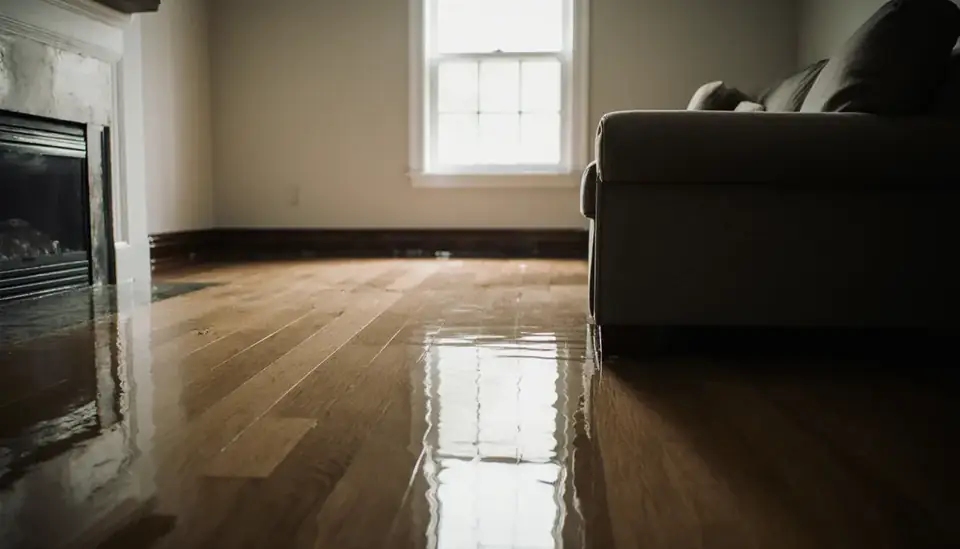
Pooler started as a railroad stop, the last station before Savannah on the Central of Georgia line, and it is now one of the fastest-growing cities on the coast. Its population rose from about 19,100 in 2010 to roughly 25,700 in 2020, and the 2024 estimate tops 31,000. The city covers nearly 28 square miles of flat, low land at about 20 feet of elevation where Interstates 95 and 16 meet, with the airport and Gulfstream just outside its limits. Most of what goes wrong with water here comes from heavy rain on that flat ground and from plumbing inside a large stock of newer homes and businesses.
Call (888) 317-9980 any hour and our free referral line will connect you with an independent restoration provider serving Pooler and western Chatham County. That company evaluates the damage and does the cleanup and repairs.
How the call works: when you call (888) 317-9980, The Restoration Job connects you with an independent restoration provider that serves Pooler. That provider inspects the damage, explains the scope and quotes the work. The Restoration Job doesn't perform restoration itself. Read our referral disclosure.
Inland, but Not Out of the Storm Track
Pooler is well back from the marsh, so storm surge is not the main concern it is on the islands. Rain is. About half of the area's roughly 48 inches of yearly rainfall comes between June and September, and Chatham County's engineers point to both long stretches of moderate rain and short, intense downpours as flood triggers on the low coastal plain. When a slow tropical system or a stalled summer storm drops several inches in an afternoon, ditches and retention ponds fill, and water can reach garages, slab edges and low entries.
The city keeps a hurricane information page during active weather. In September 2025, ahead of Tropical Storm Imelda and a second tropical system, Pooler handed out sandbags at 900 S. Rogers St., across from Fire Station 1, ten per household with proof of residency and your own shovel. Watch that page and CEMA alerts when a storm is in the forecast.
Flood Maps Are Being Redrawn
FEMA has been revising flood hazard data for the area, and the city posted notice that base flood elevations and Special Flood Hazard Area boundaries may change. The appeal period on the proposed maps ran from September 3 to December 3, 2025. If you bought in Pooler assuming you were outside the floodplain, check your address again on FEMA's Flood Map Service Center once the new maps take effect.
Two insurance points are easy to miss. Homeowners policies do not cover flood damage, and a new flood policy normally has a 30-day waiting period before it takes effect, so buying one when a storm is already on the radar is usually too late. Rising water that enters from outside is a flood claim. A burst pipe or failed appliance inside the home is typically handled under homeowners coverage instead.

Leaks in Newer Homes: Where to Look First
Growth this fast means a lot of homes and apartments built in the last two decades, and newer construction has its own set of weak points. Most indoor water damage calls in neighborhoods like these trace back to a handful of sources:
- Washing machine hoses and ice maker lines that split or pull loose
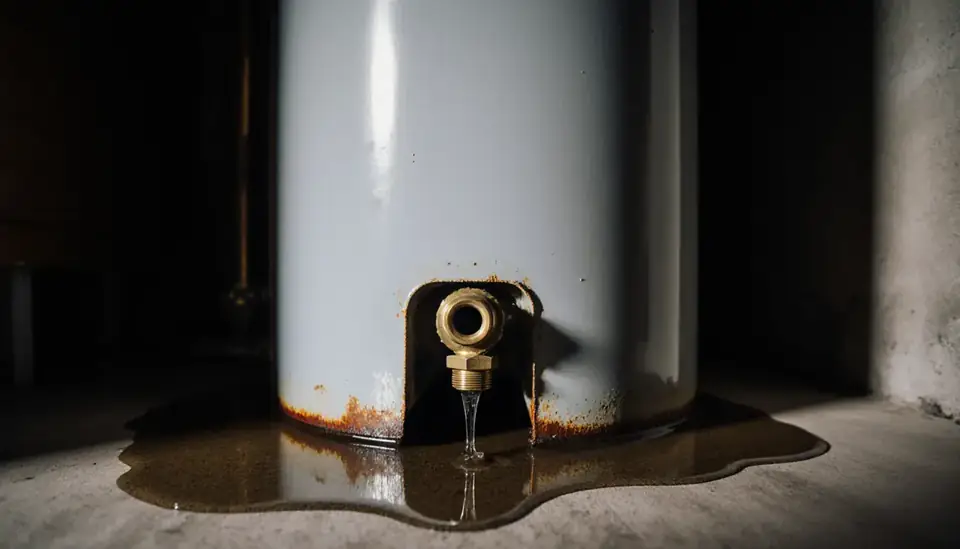
- Water heaters that leak or fail at the tank base
- Air conditioning condensate lines that clog and overflow, often from an attic air handler
- Toilet supply lines and wax seals on second floors
- Roof flashing and window leaks after wind-driven rain
Drywall wicks water upward quickly, and carpet pad holds it underneath where you cannot see it. Shut off the main valve, then get the water out. Prompt water extraction followed by measured drying usually saves far more material than waiting a day to see if it dries on its own.
Repairs After the Drying Is Done
Once readings confirm the structure is dry, the job shifts to rebuilding: replacing cut-out drywall and insulation, baseboards, flooring and sometimes cabinets. Many providers handle both phases, which can simplify the insurance claim, but you are free to choose separate companies. Ask for moisture logs and photos from each visit so the adjuster can see what was removed and why. Our page on water damage repair walks through what that rebuild phase usually covers, and the city's permit portal handles applications when work goes beyond like-for-like replacement.
Coastal Humidity and Mold in Closed-Up Spaces
Pooler shares the coast's long, humid summers, and that humidity is what turns a small leak into a mold problem. Wet wall cavities behind cabinets, damp attic decking under a leaking air handler and carpet pad soaked by a water heater all stay damp because the surrounding air cannot pull moisture out of them. Growth can start within a couple of days.
Look for musty odors, bubbling paint, or dark staining along baseboards and ceilings. Small areas on hard surfaces can often be cleaned, but larger growth or anything inside walls calls for mold remediation with containment, plus a fix for whatever kept the area wet in the first place.
Neighborhoods and Nearby Communities
Calls come in from across Pooler, including:
- Godley Station
The same line also serves nearby communities such as:
- Bloomingdale
- Garden City
- Port Wentworth
- Savannah
Pooler Water Damage Questions
Is Pooler in a hurricane evacuation zone?
Chatham County uses three zones based on landmarks: Zone A east of the Truman Parkway and Vernon River, Zone B between the Truman Parkway and Interstate 95, and Zone C west of I-95. Pooler straddles the I-95 corridor, so homes here can fall in Zone B or Zone C. Check your exact address on CEMA's interactive map and follow the order for your zone.
My subdivision has never flooded. Do I still need flood coverage?
It is worth pricing. Flood maps for the area have been under revision, and heavy rain can put water into homes well outside mapped high-risk zones, especially on flat land where drainage depends on ditches and ponds. Policies outside high-risk zones are often less expensive, and coverage generally does not start until 30 days after purchase, so the decision has to be made before storm season.
Where can I get sandbags in Pooler?
The city has distributed sandbags before storms at 900 S. Rogers St., in the lot across from Fire Station 1, with a limit of ten per household. Residents have been asked to bring proof of residency and their own shovels. Dates and hours are posted on the city's hurricane information page when a storm threatens, so check there rather than assuming a distribution is open.