
Joseph Carlin settled on a bend of Bayou Teche in 1808, and the town that grew there has been the seat of St. Mary Parish since 1811. Franklin sits about 10 feet above sea level, roughly 22 miles northwest of Morgan City, in a parish that is about half water. Its long Main Street is lined with nineteenth-century houses, and the Gulf storms that come ashore in St. Mary Parish arrive close by.
The Restoration Job is not a contractor; it is a free line that hands your call to an independent provider covering St. Mary Parish. Call (888) 317-9980 any hour about water damage restoration or storm repairs in Franklin.
How the call works: when you call (888) 317-9980, The Restoration Job connects you with an independent restoration provider that serves Franklin. That provider inspects the damage, explains the scope and quotes the work. The Restoration Job doesn't perform restoration itself. Read our referral disclosure.
Landfalls in St. Mary Parish: Andrew to Francine
Several hurricanes have come ashore in or next to this parish. Andrew made landfall near Point Chevreuil, about 20 miles west-southwest of Morgan City, on August 26, 1992, as a Category 3 storm, and the National Weather Service in Lake Charles describes damage across St. Mary, Iberia and St. Martin parishes as extensive. Francine came in near the mouth of the Atchafalaya River on September 11, 2024, bringing 6 to 10 inches of rain to lower St. Mary Parish.
Lili in 2002 produced a 12.45-foot surge near the Wax Lake Outlet, and at Cypremort Point some homes raised 6 feet off the ground still had water inside. Franklin itself is inland of those surge areas, and the NWS estimated Lili's winds in town at 60 to 70 mph. For most local homes, the risks are wind-driven rain, roof damage and days without power.
Main Street's Historic Houses and Water
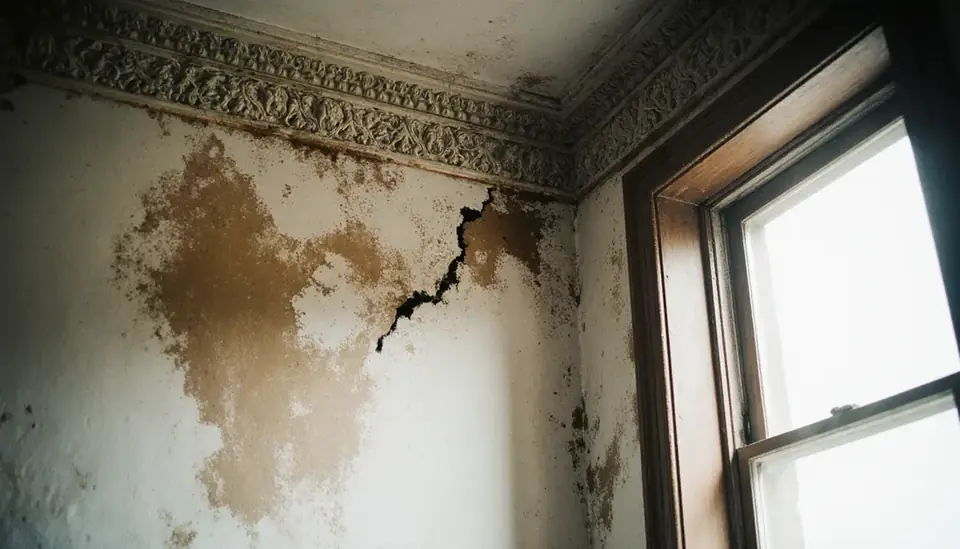
The Franklin Historic District, listed on the National Register in 1982, covers about 155 acres and more than 330 contributing buildings in Greek Revival, Eastlake and Queen Anne styles, with Main Street running eight blocks through it and Teche Drive along its eastern edge. Many of these homes have tall ceilings, plaster walls, cypress and heart-pine woodwork and raised floors.
When water gets into a house like this, slow and measured drying protects original materials. Dehumidification is often a better fit than high heat, and moisture readings should be taken in plaster, framing and floor joists before deciding what to remove. Ask how a provider will handle the crawl space and the underside of old floorboards, where water tends to linger.

Bayou Teche, Rain and Long Outages
Franklin sits along the Teche as the bayou heads to the Atchafalaya near Patterson, and much of the town is flat and low. Heavy rain from a tropical system has to drain through ditches and canals toward the bayou, and standing water in yards and under raised homes can stay for a while after the rain ends.
Power outages compound everything. After Barry in 2019, St. Mary Parish had multi-day outages along with widespread wind damage. Without power, houses heat up and humidity climbs, which is exactly when wet drywall and flooring start to break down. A generator that can run a dehumidifier and fans makes a real difference while waiting for structural drying equipment.
Before and After a Storm in Franklin
- Know your evacuation zone; during Barry, evacuation south of the Intracoastal Waterway became mandatory.
- Photograph the house inside and out before the season starts, so you have a baseline for claims.
- After the storm, cover roof openings and broken windows as soon as conditions allow.
- Report wind and roof leaks to your homeowners insurer; flood losses go to a separate flood policy.
- For permits on major repairs, the parish Planning and Zoning Department works from the courthouse in Franklin.
Humid Coastal Air and Mold in Old Walls
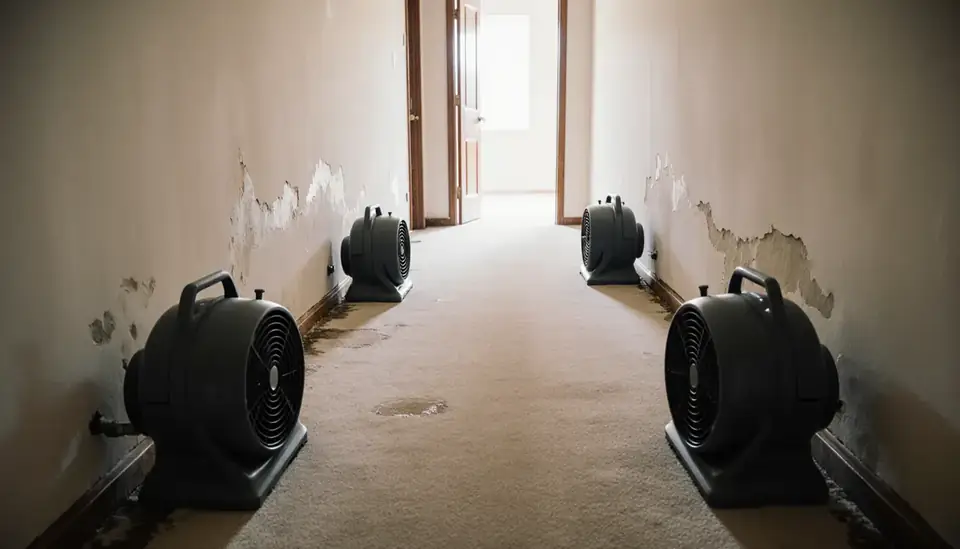
With the Gulf, the Atchafalaya Basin and the Teche all close by, the air in St. Mary Parish stays heavy and damp. The EPA calls for drying wet materials within 24 to 48 hours to prevent mold and keeping indoor humidity below 60 percent. In older houses, mold often starts in hidden places: behind baseboards, inside wall cavities and on the underside of subflooring. If you find it, mold remediation should remove the affected material and dry the structure so it does not return.
Franklin Neighborhoods and Surrounding Towns
Calls come in from across Franklin, including:
- Franklin Historic District
The same line also serves nearby communities such as:
Common Questions
Does storm surge reach Franklin?
The highest surge in St. Mary Parish has been recorded closer to the coast, such as 12.45 feet near the Wax Lake Outlet during Lili and flooding at Cypremort Point and Burns Point during Barry. Franklin is inland of those areas, so its main hazards are wind, heavy rain and roof damage. Follow parish evacuation orders, which are based on surge zones.
My historic home got wet. Will everything have to be torn out?
Not necessarily. Plaster, old-growth wood and masonry can often be dried in place if the water was clean and the work starts promptly. Moisture readings tell a provider what can be saved. Materials soaked by floodwater, or that stayed wet for many days, are more likely to need removal. Ask for a written plan before demolition begins.
Where are building permits handled for St. Mary Parish repairs?
The St. Mary Parish Planning and Zoning Department is located in the courthouse in Franklin and handles parish permits and the development code. Properties inside city limits may also have city requirements. For flood zone maps, the FEMA Flood Map Service Center shows the official designation for any address.