

Surveyors once called this spot Tiger Island. It became Brashear City, and in 1876 it was renamed for Charles Morgan, the shipping and rail magnate who dredged a channel through Atchafalaya Bay for ocean-going vessels. Morgan City still lives on the water: the town sits on the banks of the Atchafalaya River near the Intracoastal Waterway, Lake Palourde lies to the northeast, and the city lists its Great Flood Wall among local attractions. About 11,500 people live here, at an elevation of roughly 7 feet.
The Restoration Job is a free referral line for property owners. Call (888) 317-9980, any hour, and you will be connected with an independent company that serves Morgan City and St. Mary Parish for flood cleanup, drying, mold removal and rebuilding. That company sets its own rates and schedule.
How the call works: when you call (888) 317-9980, The Restoration Job connects you with an independent restoration provider that serves Morgan City. That provider inspects the damage, explains the scope and quotes the work. The Restoration Job doesn't perform restoration itself. Read our referral disclosure.
Inside the Floodwall and Outside the Levee
Much of Morgan City sits behind flood protection along the river, but not all of it. During Hurricane Barry in July 2019, the National Weather Service in Lake Charles reported surge flooding in areas outside the levee in Morgan City, with water ranging from a few inches to 6 feet deep. Locals said the surge ran slightly higher than Lili's in 2002. If your home or camp is on the unprotected side, surge is a real threat, and the drying, gutting and rebuilding after a saltwater flood is more extensive than after a roof leak.
Inside the protection, the more common problem is rain. In April 1973, about 14 inches fell over 48 hours and caused flooding in town. With average annual precipitation around 58 inches, a heavy tropical downpour can overwhelm drainage quickly.
Francine and the Lakeside Community
Hurricane Francine came ashore near the mouth of the Atchafalaya River on September 11, 2024, about 30 miles south-southwest of Morgan City, with 105 mph winds. Lower St. Mary Parish received roughly 6 to nearly 10 inches of rain, and a USGS gauge at Stephensville recorded 8.56 inches. The Weather Service reported that numerous homes in the Lakeside community of Morgan City flooded.
Floodwater that comes up through yards and streets is not clean. It can carry sewage, fuel and debris, so carpet, pad, insulation and the lower part of drywall that it soaked are normally removed rather than dried. Hard surfaces get cleaned and disinfected. A provider will typically extract the water, strip out affected materials, and then dry the structure with dehumidifiers and air movers before any rebuild.
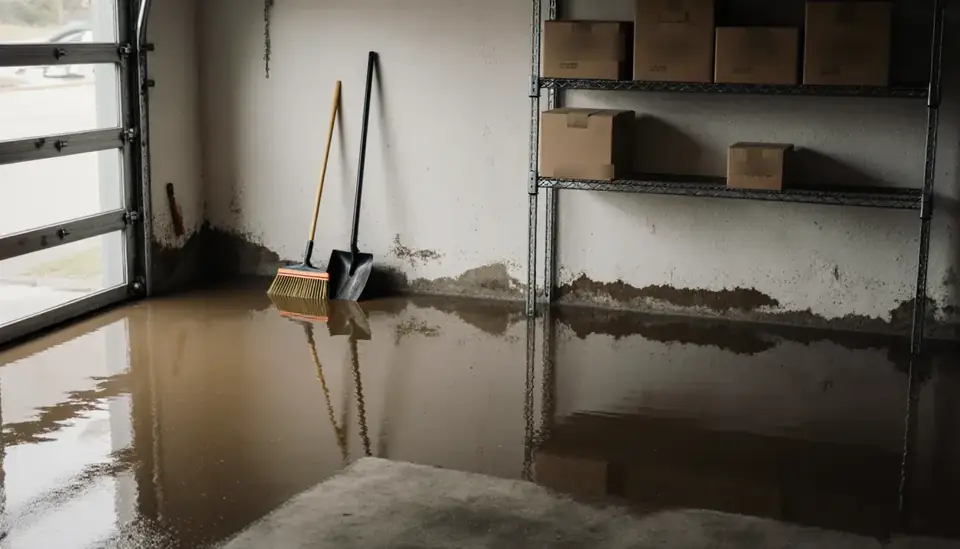
Andrew's Wind and Rain Over Berwick Bay
Hurricane Andrew made landfall near Point Chevreuil, about 20 miles west-southwest of Morgan City, early on August 26, 1992, as a Category 3 storm. Morgan City recorded sustained winds of 92 mph and a 108 mph gust at 3:05 a.m., and its 9.31 inches of rain was the highest total in the region. Across the bay, the Berwick fire station measured a 120 mph gust. Seven years earlier, Hurricane Juan had made landfall near the city as well.
Storms like Andrew bring both kinds of damage at once: wind-driven rain through damaged roofs and windows, and rising water at ground level. They are usually separate insurance claims, and it helps to document each one separately with photos of the roof, the ceilings and the high-water line on the walls.
City Floodplain Rules for Rebuilding
Morgan City's Planning and Zoning Department, at 509 Second Street, handles floodplain management, and the city states that all development needs local and state permits. Several of its rules matter to anyone repairing after a flood:
- Substantial damage: if repairs equal or exceed 50 percent of the building's market value, the structure must be brought up to current floodplain standards.
- Elevation certificates: the department may already have one on file for your property, which helps with insurance and permits.
- Flood insurance: homeowners policies do not cover flood. The city participates in the NFIP and its Community Rating System status gives residents a 5 to 10 percent discount. Expect a 30-day waiting period on new policies.
- Drainage: dumping debris into canals or ditches is illegal, so keep storm debris out of the drains.
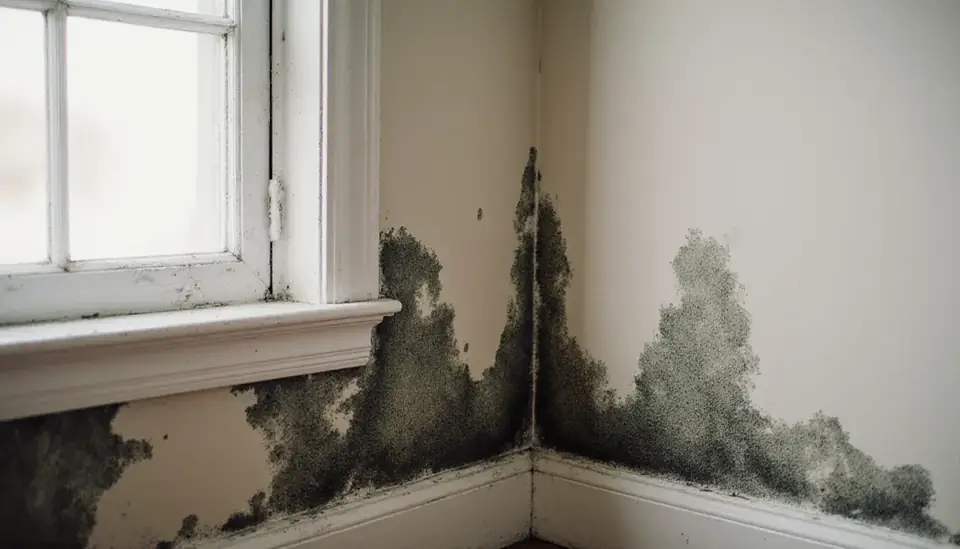
Lake Air, River Air and Mold
With the Atchafalaya on one side and Lake Palourde on the other, Morgan City's air is humid nearly year-round. Once wet drywall, carpet or wood sits for more than a day or two, mold becomes likely. The EPA advises drying within 24 to 48 hours and keeping indoor humidity below 60 percent. If growth is already spreading across walls, inside cabinets or in ductwork, mold remediation with containment and removal of affected materials is the safer route than surface cleaning. Neighboring Patterson faces much the same humidity after storms.
Morgan City Neighborhoods and Surrounding Towns
Calls come in from across Morgan City, including:
- Lakeside
The same line also serves nearby communities such as:
Frequently Asked Questions
Do I need a permit to repair flood damage in Morgan City?
The city says all development requires local and state permits, and major flood repairs count. Contact the Planning and Zoning Department on Second Street before rebuilding. If the repair cost reaches half of the building's market value, it is considered substantial damage and the structure must meet current floodplain standards, which can include elevation.
Is my home protected if it is outside the levee?
Not from surge. During Hurricane Barry in 2019, areas outside the levee in Morgan City flooded with anywhere from a few inches to 6 feet of water. If you live or keep a camp on the unprotected side, flood insurance and a plan for moving belongings up or out before a storm are especially important.
How can I find my flood zone and lower my flood insurance cost?
The city points residents to FEMA's online map search and the LA FloodMaps portal to look up a property's flood zone. Morgan City participates in the Community Rating System, which gives policyholders a 5 to 10 percent discount. An elevation certificate, which Planning and Zoning may have on file, can also affect your premium.
Can a wet house be dried out, or does everything have to be torn out?
It depends on the water. Clean water from a broken pipe or a roof leak can often be dried in place if work starts quickly. Floodwater from outside is treated as contaminated, so porous materials it touched are usually removed. A moisture survey at the start shows what can stay and what must go.