

Most people driving north on Highway 24 never notice where Houma ends and Bayou Cane begins. The community is a census-designated place of about 19,770 residents, packed into 7.6 square miles just north of the city line, with warehouses and businesses mixed in among homes and schools such as Vandebilt Catholic High. It also sits low, at roughly seven feet above sea level, along the Bayou Terrebonne corridor.
The Restoration Job is a referral service with a free 24/7 phone line, (888) 317-9980, which connects callers with independent providers serving Bayou Cane for storm damage cleanup, water removal, drying and mold work. Providers often offer emergency service, though availability depends on the company and on how widespread the damage is.
How the call works: when you call (888) 317-9980, The Restoration Job connects you with an independent restoration provider that serves Bayou Cane. That provider inspects the damage, explains the scope and quotes the work. The Restoration Job doesn't perform restoration itself. Read our referral disclosure.
Francine's Hit on Bayou Cane Businesses
When Hurricane Francine came ashore in southwestern Terrebonne Parish on September 11, 2024, the National Weather Service singled out a severely damaged warehouse in Bayou Cane among the parish's notable losses. Nearly the whole parish was without power at the storm's peak, and rainfall of up to about seven inches produced flash flooding.
For businesses, that combination is hard: a damaged roof lets rain in over stock and equipment, while the outage shuts down the air conditioning that would otherwise keep humidity in check. Commercial owners should move undamaged inventory away from wet areas, photograph everything in place, and ask a provider about drying large open spaces with portable generators and high-capacity dehumidifiers.
Seven Feet Up: Where Water Collects
Terrebonne Parish averages around six feet of elevation, and Bayou Cane is only slightly higher. In heavy rain, water has nowhere fast to go on ground that flat. Parking lots and rooftops shed runoff quickly, and low streets, garages and slab edges are usually the first places it shows up.
The Morganza to the Gulf levee system, built to cut Gulf surge risk for Terrebonne and Lafourche, does not address rain falling inside its walls. A standard homeowners or business policy generally excludes water that rises from the ground. Flood coverage through the National Flood Insurance Program or a private carrier is separate, and checking your zone on the FEMA flood map is a good start.

Ida, Roof Damage and the Rain That Follows
Hurricane Ida crossed the area on August 29, 2021, after landfall near Port Fourchon with 150 mph winds. Gusts near 100 mph were measured at nearby Thibodaux. In neighborhoods north of Houma, many losses began at the roofline and then grew as rain soaked attics and ceilings for days before tarps went up.
That second phase is often worse than the first. Ceiling drywall saturated from above can collapse, insulation compacts and holds water, and wall cavities wet from the top down are easy to miss. A provider will usually open ceilings and lower walls where meters show moisture, then set up structural drying equipment and track readings until the framing is dry.
What Providers Do on a Bayou Cane Job
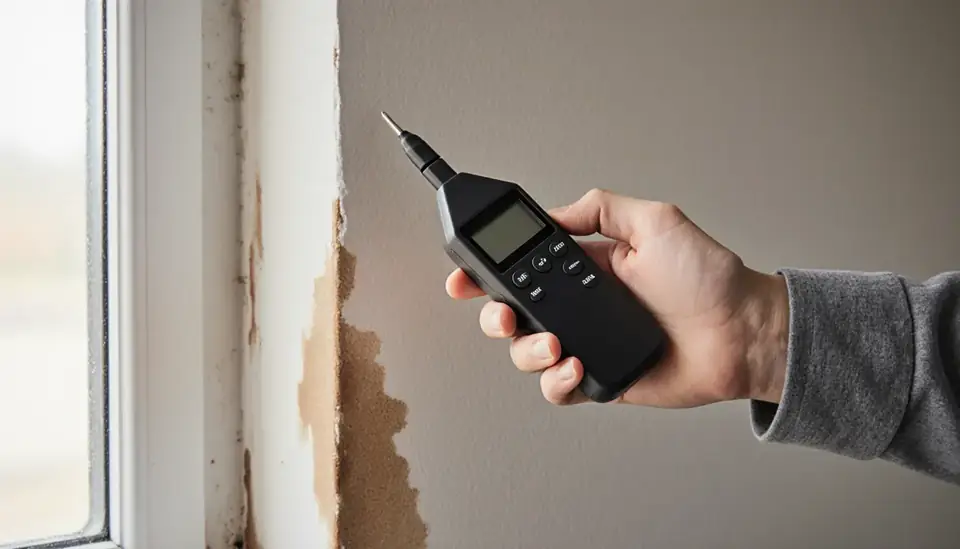
- Inspection with meters: mapping wet areas behind walls, under flooring and in ceilings.
- Removal of unsalvageable materials: soaked carpet pad, wet insulation, swollen particleboard cabinets and drywall that has been wet too long.
- Drying setup: air movers and dehumidifiers sized to the space, with daily moisture checks.
- Cleaning: antimicrobial treatment of affected framing, and full sanitizing if water came from outside or a sewer line.
- Documentation: photos, moisture logs and a scope of work you can share with your insurer.
Ask for written estimates and keep copies of all moisture logs.
Keeping Mold Out of Closed-Up Rooms
Bayou Cane shares the humid subtropical climate that gives the Houma area about 65 inches of rain a year. Indoor air stays damp, and a room left closed without air conditioning after a leak can show mold on baseboards and drywall within a few days. Storage rooms, back offices and closets, where no one looks often, are the usual places it starts.
Run dehumidifiers or air conditioning as soon as power is back, keep wet materials from sitting, and have growth that covers more than a small patch looked at by a professional.
Where Callers in the Bayou Cane Area Are
The same line also serves nearby communities such as:
Common Questions
Who handles permits and emergency information in Bayou Cane?
Bayou Cane is unincorporated, so it falls under the Terrebonne Parish Consolidated Government. The parish's Office of Homeland Security and Emergency Preparedness handles storm, evacuation and re-entry information, and permit applications go through the parish rather than a separate town hall. If repairs after water damage involve structural or electrical work, check permit requirements before rebuilding.
My business warehouse got wet during a storm. What should happen first?
Make sure the structure is safe and power to wet areas is off. Then document the damage, move dry stock away from water, and get standing water and wet packaging out quickly. Large buildings dry slowly without strong dehumidification, so ask the provider how they will power equipment if the utility grid is down and how they will monitor moisture in slab floors and racking areas.
Does living just outside Houma change who I can call?
Usually not. Providers that work in Houma generally cover Bayou Cane as well, since the two run together along Highway 24. When you call (888) 317-9980, give your street address so the referral goes to a company that serves your exact location.