

Bayou Terrebonne runs straight through downtown Houma, and Louisiana Highway 24 follows its banks for most of the way. The city sits about 10 feet above sea level, which counts as high ground in a parish that averages closer to six. That small margin matters, but it has not kept Houma out of harm's way: in late August 2021 the eyewall of Hurricane Ida passed over the city as a Category 4 storm, and three years later Hurricane Francine came ashore in the same parish.
The Restoration Job connects callers with local restoration companies and does no repair work itself. Call (888) 317-9980 at any hour and we'll connect you with an independent provider that serves Houma for water damage restoration, roof-leak drying, flood cleanup and mold work. You decide whether to hire them.
How the call works: when you call (888) 317-9980, The Restoration Job connects you with an independent restoration provider that serves Houma. That provider inspects the damage, explains the scope and quotes the work. The Restoration Job doesn't perform restoration itself. Read our referral disclosure.
Ida's Eyewall and Francine's Winds Over Terrebonne
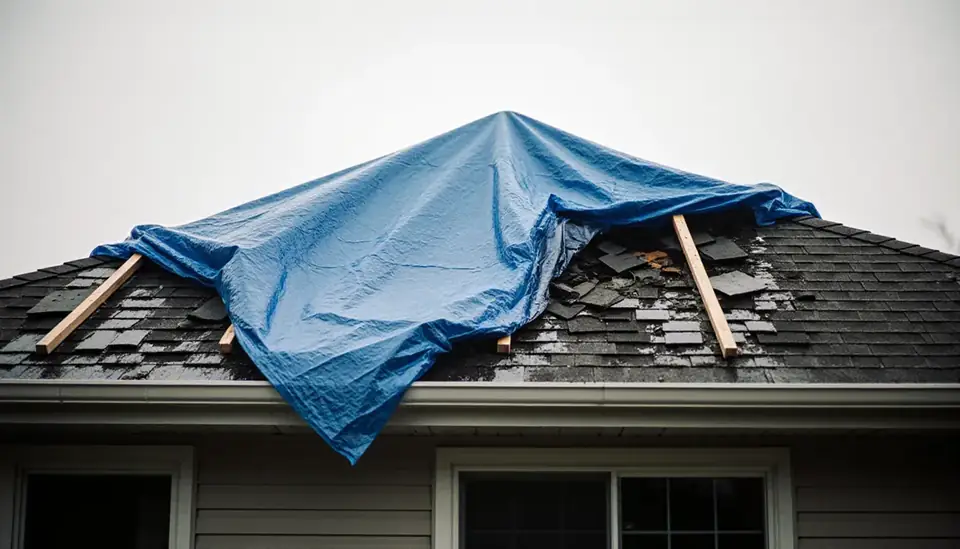
Ida made landfall near Port Fourchon at 11:55 a.m. on August 29, 2021, with sustained winds of 150 mph, then tracked north across the bayou parishes. The National Hurricane Center's report puts surge inundation in Terrebonne Parish at three to six feet above ground, with catastrophic damage concentrated in the Dulac and Montegut areas south of the city. In Houma itself, the bigger problem for most homeowners was wind: shingles and metal roofing gone, windows broken, and then days of rain falling into open attics.
Francine, a Category 2 storm, made landfall in far southwestern Terrebonne on September 11, 2024. The National Weather Service reports that nearly the entire parish lost power at the peak, a church roof was torn off, the generation plant in Houma was damaged, and up to about seven inches of rain caused flash flooding. Two very different storms, but the same pattern inside many houses: water coming in from above.
Behind the Levees, Rain Is Still the Daily Risk
The Army Corps of Engineers' Morganza to the Gulf project is a 98-mile alignment of levees and floodgates meant to reduce surge risk for roughly 52,000 structures across Terrebonne and Lafourche. Its centerpiece is a lock complex on the Houma Navigation Canal with a 250-foot floodgate beside it. Protection like this is aimed at Gulf water. It does little about the 65 inches or so of rain that fall on Houma in an average year, spread over about 115 wet days.
Heavy downpours on flat ground can overwhelm drainage faster than pumps clear it, so street water creeping into garages and low slabs is common. Rising water of any kind is covered only by a flood insurance policy, not a standard homeowners policy. The FEMA flood map linked below shows the zone for your address, which helps when you are talking to an adjuster.
Older Buildings in the Downtown Historic District
Houma was laid out in 1832, and Downtown Houma is listed as a historic district on the National Register of Historic Places. Older commercial buildings and houses near the bayou often have wood floor systems, plaster or older drywall, and roofs that have been patched more than once. Water behaves differently in them than in a newer slab house: it wicks into masonry, runs along old framing, and hides under layered flooring.
For these properties, a careful moisture survey before demolition saves original material that can still be dried. If a building is part of a business, take photos of inventory and equipment before anything is moved, since commercial and contents claims usually need that record.
First Steps After a Leak or Storm in Houma
- Stop the source: shut the main water valve for plumbing failures, or tarp the roof opening if it is safe to reach. Do not climb a wet roof in wind.
- Check power before stepping in: after outages like Francine's, switch off breakers serving wet rooms before power comes back.
- Document: photograph waterlines, ceilings and damaged contents before removal.
- Pull water out early: standing water and soaked carpet pad should come out within a day or two. Water extraction equipment does this far faster than shop vacuums.
- Plan for drying without grid power: ask a provider whether they can run dehumidifiers on generators if outages are widespread.
Humidity, Attics and Mold Growth
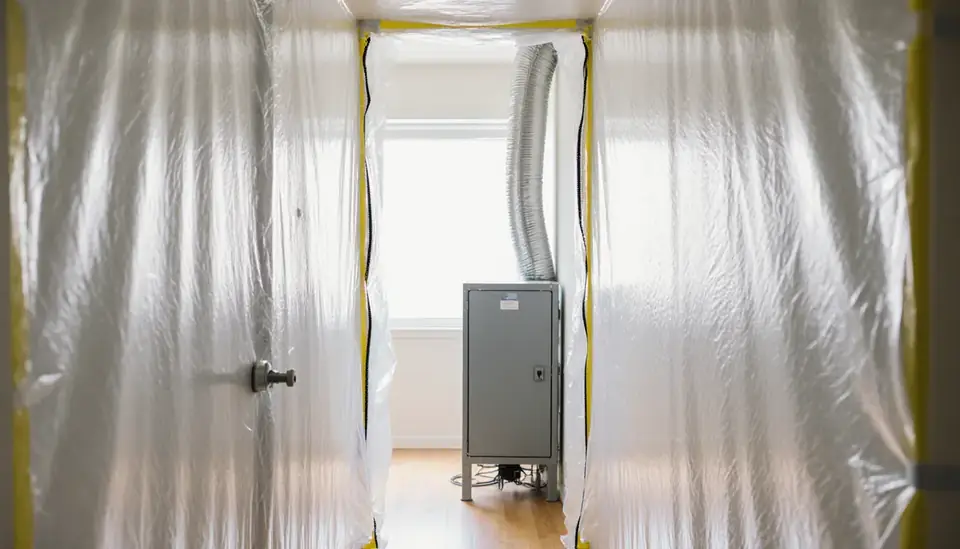
Houma's humid subtropical air keeps indoor humidity high most of the year, and a roof leak that soaks attic insulation can feed mold on the drywall below within days, especially when air conditioning is off. Wet blown-in insulation rarely dries in place and is usually removed. Ceiling drywall that sags or has been wet for more than a short time is generally cut out rather than saved.
Small spots on hard surfaces can often be cleaned by an owner. Growth spread across a wall, inside a cavity, or in an HVAC system calls for professional mold remediation with containment, so spores are not carried into dry rooms.
Houma Neighborhoods and Surrounding Towns
Calls come in from across Houma, including:
- Downtown Houma
The same line also serves nearby communities such as:
Frequently Asked Questions
Is Bayou Cane part of Houma for service purposes?
Bayou Cane is a separate census-designated place just north of the city, but locals often treat it as part of Houma, and providers that work in one usually cover the other. Both fall under the Terrebonne Parish Consolidated Government, which has handled city and parish services together since 1984, so permits and parish emergency information come from the same place.
My roof leaked during a hurricane and the house didn't flood. Does flood insurance matter?
Probably not for that loss. Rain entering through wind damage to the roof is usually handled under a homeowners or wind policy. Flood insurance covers water rising from outside, such as street or bayou flooding. If both happened, photograph the roof damage and any waterline separately, because adjusters may assign the losses to different policies.
How long does drying usually take in Houma's humidity?
Structural drying commonly runs three to five days once wet materials are removed and dehumidifiers are running, but it varies with how long water sat, the building materials and whether power is stable. High outdoor humidity means opening windows usually slows drying. A provider should take moisture readings daily and stop only when materials reach normal levels.
Where can I find official storm information for Terrebonne Parish?
The parish government site lists contact details for the Office of Homeland Security and Emergency Preparedness, which handles evacuation and re-entry information. The National Weather Service office in Slidell issues forecasts and warnings for the area. Both are linked in the resources on this page.