

Raceland takes its name from the Race family. Their sugar plantation on Bayou Lafourche was renamed in 1855, after George W. Race married Olivia Kittredge, and the community that grew around it now sits where U.S. 90 crosses the bayou, about 15 miles southeast of Thibodaux. Close to 9,800 people live across its 21 square miles. At roughly 14 feet above sea level it stands higher than the fishing towns farther down the bayou, but the hurricanes that come ashore near Port Fourchon still reach it with plenty of force.
The Restoration Job does no restoration work itself; it is a free line that refers callers. Call (888) 317-9980 at any hour and we will put you in touch with an independent restoration company that works in Raceland for water removal, drying, water damage repair and mold cleanup. The provider you talk to sets the price and the schedule.
How the call works: when you call (888) 317-9980, The Restoration Job connects you with an independent restoration provider that serves Raceland. That provider inspects the damage, explains the scope and quotes the work. The Restoration Job doesn't perform restoration itself. Read our referral disclosure.
Ida's 99 mph Gust Over Raceland
Hurricane Ida made landfall as a Category 4 storm near Port Fourchon on August 29, 2021. That evening, at 7:50, the National Weather Service logged a 99 mph gust at Raceland, many hours and dozens of miles after the eye crossed the coast. Wind like that peels back shingles, rips off soffit and ridge vents, and drops limbs through roofs. Rain then comes in through every opening, and it keeps coming for days if the roof is not covered.
Much of the interior damage after a storm like Ida is not from rising water at all. It shows up as stained, sagging ceilings, insulation packed down and soaked in the attic, and wet drywall in rooms that never saw a drop on the floor. Those losses usually fall under a homeowners policy as wind damage, which is a different claim from flooding. Photograph the roof and the ceilings before anything is removed.
North of the Ring Levee, Rain Is the Flood Risk
The South Lafourche levee system, authorized by Congress in 1965, encircles Larose, Cut Off and Galliano farther down the bayou. Raceland is outside that ring, and so is most of upper Lafourche. Bayou Lafourche itself has been dammed off from the Mississippi since 1904, so the bayou rarely rises the way it did a century ago. The water that gets into houses here usually falls from the sky.
Hurricane Francine showed how that works. In September 2024 it dropped 5 to 7 inches of rain across the northern half of Lafourche Parish, with some spots near 10, and the National Weather Service reported widespread flash flooding in nearby Thibodaux and Chackbay. Parishwide, 30 homes took on water and 26 people were rescued. Rain-driven water that comes in under doors or rises in a slab house counts as flood damage, which a standard homeowners policy generally excludes. A separate flood policy is what pays for it, and coverage usually has a 30-day waiting period, so buy it before the season, not when a storm is in the Gulf.
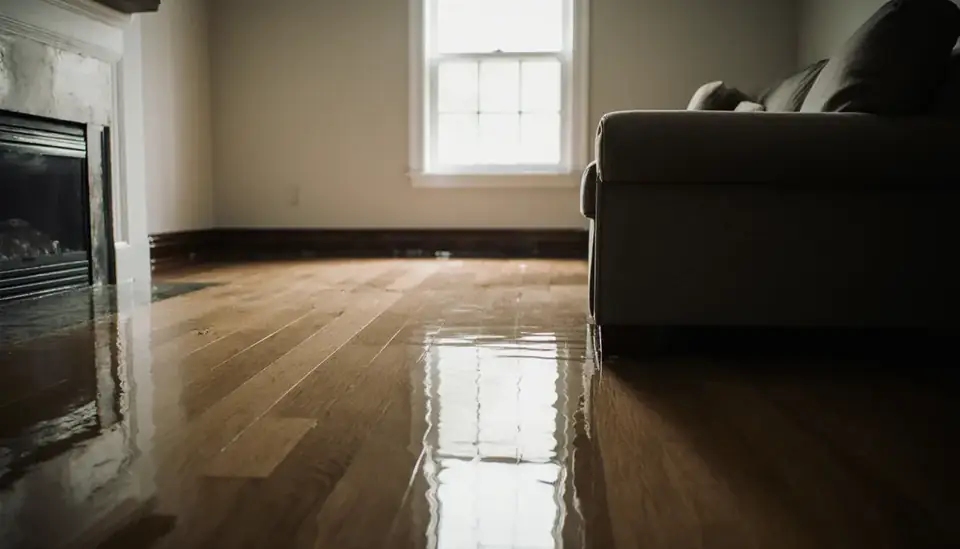
Raised Houses, Slabs and Manufactured Homes
Each type of construction takes on water differently, and the drying plan should follow the building:
- Pier-and-beam or raised homes: water and humidity collect underneath. The crawl space needs air movement and, often, removal of wet insulation from the floor system.
- Slab-on-grade homes: water wicks up into drywall and baseboards from the floor. Cutting the drywall a foot or two above the wet line and drying the wall cavity is usually needed.
- Manufactured homes: the belly wrap underneath can hold water against the floor decking, and particleboard subfloors swell quickly when wet.
In any of these, a moisture meter tells the real story. Surfaces can feel dry while the framing inside is still wet.
The First 48 Hours After Water Reaches the Floor
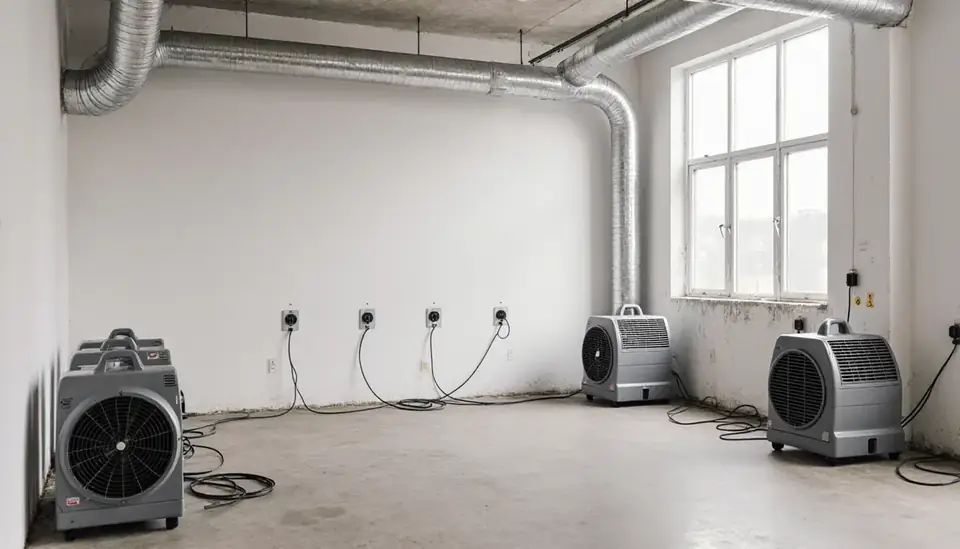
After a storm or a burst line, a provider working in Raceland will generally start by stopping the source and checking that power to wet areas is off. Standing water comes out next through water extraction, followed by removal of soaked carpet pad, insulation and drywall below the wet line. Then come air movers and dehumidifiers, with moisture readings taken each day until the materials reach normal levels.
If the parish loses power for days, as about half of Lafourche did after Francine, drying stalls. Ask the provider whether they can bring generator-powered equipment, and keep windows closed once dehumidifiers are running so they are not fighting outside air.
Mold Season Never Really Ends on the Bayou
Upper Lafourche is hot and damp for most of the year, and closed-up houses without air conditioning become humid within a day. The EPA advises drying wet materials within 24 to 48 hours and keeping indoor humidity below 60 percent to stop mold from taking hold. After a long outage, look behind baseboards, under sinks, inside closets on exterior walls and on the back side of ceiling drywall near any roof leak.
Small, surface spots on hard materials can be cleaned. Growth that covers a large area, comes back after cleaning, or is inside walls or ductwork is a job for mold remediation, where affected material is removed under containment and the structure is dried before rebuilding.
Neighborhoods and Nearby Communities
The same line also serves nearby communities such as:
- Mathews
- Lockport
- Thibodaux
- Bayou Blue
- Houma
- Larose
Questions From Raceland Property Owners
Does the South Lafourche levee protect Raceland?
No. The levee system run by the South Lafourche Levee District rings Larose, Cut Off and Galliano. Raceland sits north of it, so the levee is not part of your protection here. In practice, most flooding in upper Lafourche comes from heavy rain that cannot drain fast enough, so check your FEMA flood zone and consider a separate flood policy even if you are not in a high-risk zone.
My ceiling is leaking after a storm but no water came in from outside. Is that flood damage?
Usually not. Rain coming through a roof that the wind damaged is generally treated as wind damage under a homeowners policy, while water rising from the ground is flood damage under a separate flood policy. Document the roof, the attic and the ceilings with photos before anything is torn out, and have the roof opening covered quickly to limit further loss.
Where do I get parish emergency information in Raceland?
Lafourche Parish Emergency Preparedness has its office on LA 1 in nearby Mathews. The parish uses the Everbridge alert system for notices and runs a re-entry program for returning after an evacuation. Signing up for alerts before hurricane season means you hear about evacuations and re-entry times directly.
How quickly does a wet Raceland house need to be dried out?
As soon as possible. In Raceland's humid climate, mold can begin growing on wet drywall, carpet pad and wood within a day or two. Removing standing water and running dehumidifiers within the first 24 to 48 hours keeps the job smaller and reduces how much material has to be cut out and replaced.