
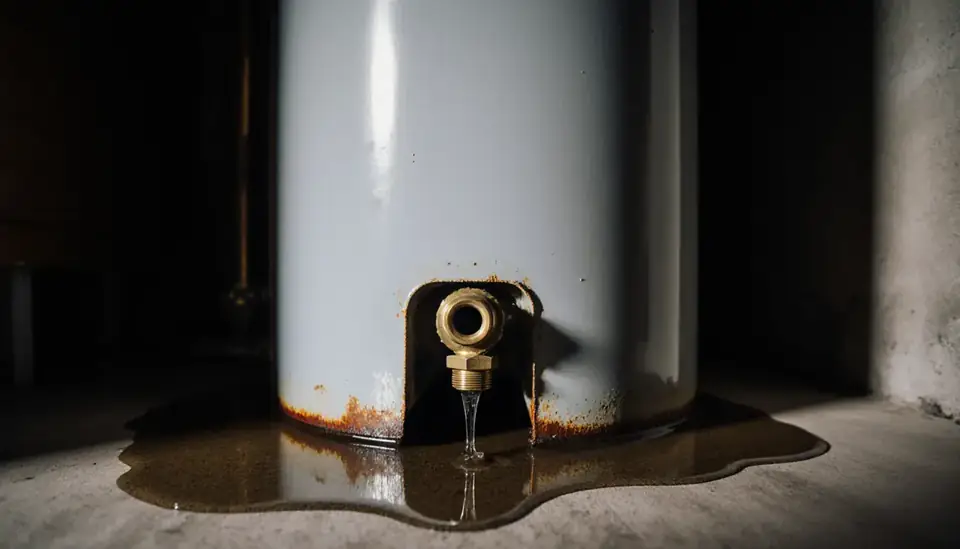
Terrebonne Parish runs its Emergency Operations Center out of Gray, along with the Sheriff's Office and the north branch of the parish library. The community itself is quieter than that list suggests: about 5,518 people spread over 11.5 square miles of land north of Houma, with Highway 24 and Bayou Terrebonne running through it. At about 10 feet above sea level, it sits a little higher than much of the parish, but hurricanes and heavy rain still find their way into homes here.
Call (888) 317-9980, a free line open around the clock, and The Restoration Job will connect you with an independent provider that works in Gray. Those companies handle extraction, drying, water damage repair and mold cleanup; we only make the connection.
How the call works: when you call (888) 317-9980, The Restoration Job connects you with an independent restoration provider that serves Gray. That provider inspects the damage, explains the scope and quotes the work. The Restoration Job doesn't perform restoration itself. Read our referral disclosure.
Spread-Out Homes North of Houma
Gray grew from 4,260 residents in 1990 to roughly 5,500 today, but its density is still only about a fifth of Houma's, with homes spread out along roads and the bayou. That spacing has practical effects after a storm. Trees near houses are a common source of roof punctures, outbuildings and detached garages take wind damage, and a house can sit with an unnoticed leak for days while owners deal with debris outside.
Walk through every room, the attic if it is safe, and any enclosed storage after a storm passes. Stains spreading on ceilings, bubbling paint and a musty smell are early signs that water got in, even if no one saw it happen.
When the Whole Parish Loses Power
Francine made landfall in southwestern Terrebonne on September 11, 2024, and the National Weather Service reports that nearly the entire parish was without power at the peak. During Ida in August 2021, the hurricane center reports that all power was lost in neighboring Lafourche Parish. For a wet house, no power means no air conditioning, no dehumidifiers and no sump or pump equipment.
A few things help while you wait:
- Pull wet rugs, cushions and soaked boxes outside to dry or discard.
- Lift furniture off wet floors and open cabinet doors under leaking areas.
- Run a generator only outdoors and well away from windows, and never plug drying equipment into a house circuit without a proper transfer switch.
- Ask a provider whether they bring their own generator power for structural drying.

Rain Flooding on Flat Ground
Francine dropped up to about seven inches of rain on parts of the parish, enough to cause flash flooding. The Houma area averages roughly 65 inches of rain a year, and on land this flat, water from a slow-moving storm can pool around foundations and back up into garages. The 98-mile Morganza to the Gulf levee system is designed to hold back Gulf surge for Terrebonne and Lafourche, not to drain heavy rainfall from neighborhoods inland.
Homeowners policies generally exclude rising water. If yours does not include separate flood coverage, it is worth reviewing your zone on the FEMA flood map and asking an agent whether a policy makes sense, keeping in mind that new flood policies typically have a waiting period.
What Repair Looks Like After Drying
Drying comes first, repairs second. Once moisture readings in framing and subfloors are back to normal, the rebuild usually involves new insulation and drywall in the lower walls or ceilings that were cut out, replacement flooring, and trim and cabinet work. Laminate and engineered flooring that has swollen usually needs replacing, while solid wood and tile may be saved if drying starts early.
Keep a running file of photos, moisture logs and receipts. Insurers commonly ask for proof that the structure was dried before it was closed back in, and that file also helps if a problem shows up months later.
Watching for Mold in Gray's Damp Climate
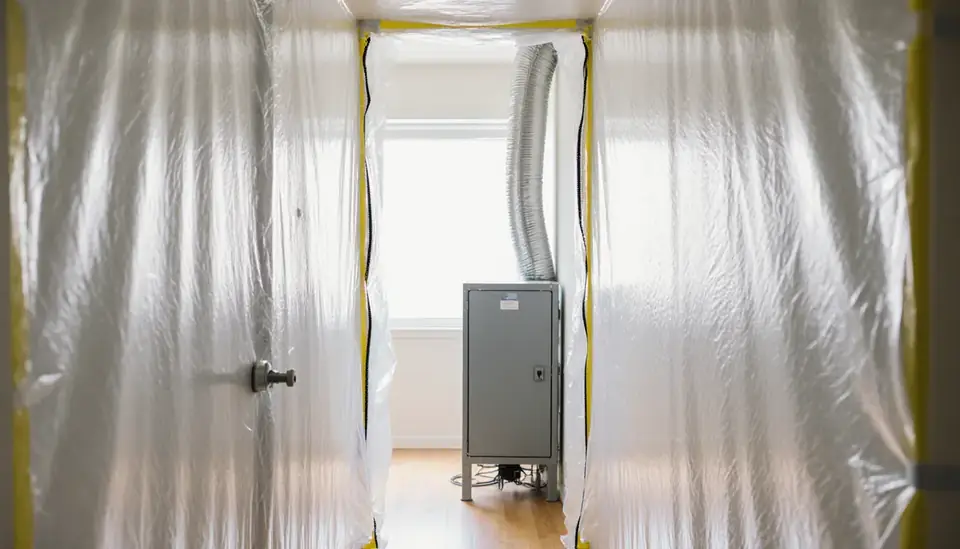
Warm, humid air is the norm in Terrebonne Parish, and closed-up houses without power after a storm become ideal for mold. Look behind furniture placed against exterior walls, under sinks, inside closets and around windows where rain was driven in. Growth on the back of drywall often shows only as a faint stain or a smell from the front.
Small surface spots on hard materials can be cleaned. Larger patches, anything inside wall cavities, or growth in ductwork should be handled by a professional using containment.
Gray Neighborhoods and Surrounding Towns
The same line also serves nearby communities such as:
Frequently Asked Questions
Is Gray covered by the same parish emergency services as Houma?
Yes. Gray is an unincorporated community in Terrebonne Parish, and parish services are run by the Terrebonne Parish Consolidated Government. The parish Emergency Operations Center is actually located in Gray. Storm alerts, evacuation orders and re-entry information come from the parish Office of Homeland Security and Emergency Preparedness.
Should I start tearing out wet drywall myself before a provider arrives?
Photograph everything first, because insurers want to see damage before it is removed. Removing soaked carpet pad and moving contents is usually fine. Cutting drywall is better left until the wet area has been measured with a moisture meter, so you don't take out more than needed or miss wet material higher up. Turn off power to the area before touching wet walls.
How do I know whether my damage counts as flood or wind-driven rain?
Water that rose from the ground outside and entered the house is generally treated as flood. Rain that came through a damaged roof, window or wall is usually a homeowners or wind claim. Many homes after Ida and Francine had both. Note where water entered, photograph exterior damage and waterlines, and share that with each insurer involved.