
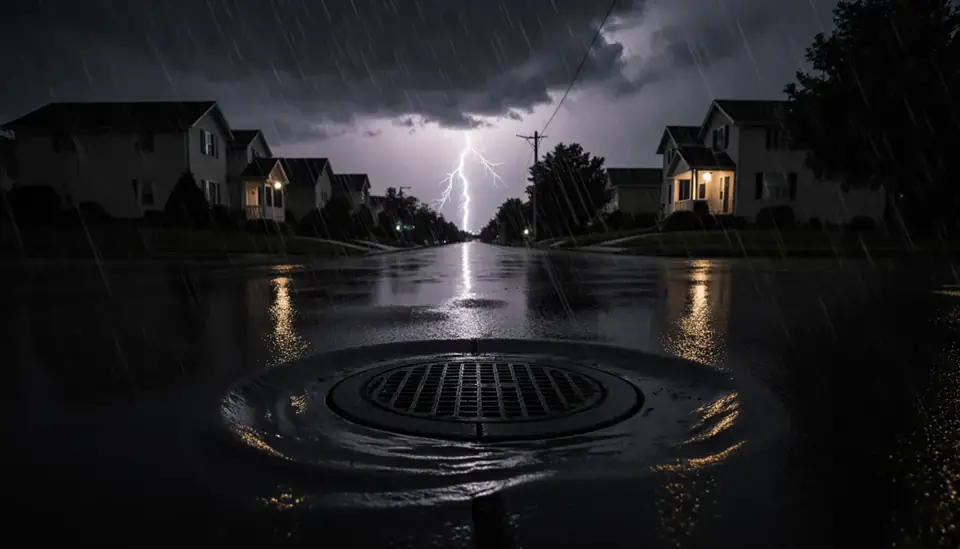
Hammond sits at the crossing of Interstates 12 and 55, about 45 miles from both Baton Rouge and New Orleans, on ground roughly 39 feet above sea level. That is high for southeast Louisiana, and it is why many residents were caught off guard in 2016, when rivers north and west of town climbed to records. Five years later, Hurricane Ida's eastern eyewall passed directly over the city.
For help after a leak, flood or storm, call The Restoration Job at (888) 317-9980. The line is open 24/7, and we'll connect you with an independent restoration provider that serves Hammond and the rest of Tangipahoa Parish. Providers here commonly handle extraction, drying, tear-out and water damage restoration through final repairs.
How the call works: when you call (888) 317-9980, The Restoration Job connects you with an independent restoration provider that serves Hammond. That provider inspects the damage, explains the scope and quotes the work. The Restoration Job doesn't perform restoration itself. Read our referral disclosure.
The Natalbany and the 2016 Floods
Tangipahoa Parish was declared a federal disaster area twice in 2016, for flooding in March and again in August. On the Natalbany River at Baptist, just northwest of Hammond, the March event crested at 19.76 feet. The August flood went far higher: 24.33 feet on August 13, the highest reading on record there, just below the 25-foot major flood stage. The National Weather Service describes that August event as flooding thousands of homes and businesses across the Baton Rouge and Hammond metro areas.
Those floods came from rain, not the Gulf. Twenty to thirty inches fell across parts of the region over three days in August. On flat ground, creeks and ditches backed up into subdivisions well away from any named river, which is why flood insurance is worth considering even outside a mapped high-risk zone.
Ida's Eyewall Over the City
On August 29, 2021, Hurricane Ida tracked far enough inland that Hammond took a direct strike from the eastern eyewall. The city got more than 12 inches of rain, severe flash flooding and widespread wind damage. The Natalbany at Baptist rose to 18.72 feet the next day.
Storms like Ida create two losses at once: water rising from outside and rain pouring through roofs opened by wind. Where the power failed, wet homes sat closed up in late-summer heat. The first priorities are safety, then covering the roof and openings, then removing soaked materials. Storm damage cleanup providers can tarp and start extraction once it is safe to work.
Older Downtown Buildings, Campus Rentals and Slab Homes
Hammond's housing ranges from older homes and commercial buildings in and around the Hammond Historic District to rental houses and apartments near Southeastern Louisiana University, founded in 1925 and one of the city's largest employers, and slab-on-grade subdivisions on the edges of town. Each comes with its own problems after water gets in:
- Older buildings often have plaster, wood floors and crawl spaces that hold moisture longer and need careful drying.
- In rentals and apartments, tenants and owners should notify each other right away; the landlord's policy covers the building, and renters insurance covers belongings.
- Slab homes take water directly into flooring, cabinets and the bottom of every wall it reaches.
Drying It Out Before Mold Takes Hold
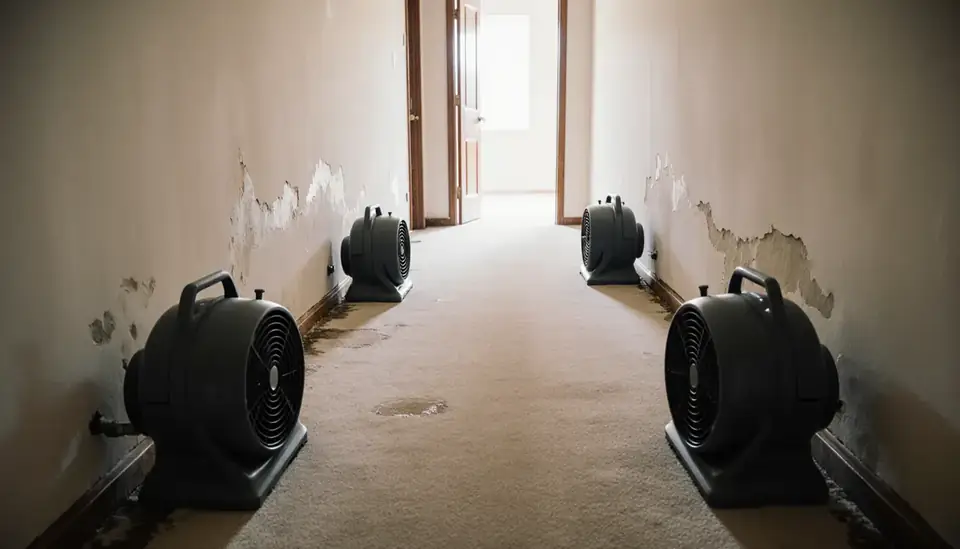
Hammond's climate is hot and humid for much of the year, and both 2016 floods and Ida arrived in warm months or right before them. In those conditions, mold can start on wet drywall and wood in a couple of days. A crew will usually remove baseboards and cut drywall above the wet line, then use dehumidifiers and air movers until moisture meters show framing is dry. If you see mold on framing or the back of drywall, removing the material is more reliable than spraying it.

Drainage, Ditches and Parish Flood Rules
The City of Hammond's Streets Department manages the stormwater system and asks residents to keep ditches and storm drains clear and to bag grass clippings rather than sweep them into the street. Blocked inlets are a common reason a heavy shower floods a block that otherwise drains fine, and the Streets Department takes reports of obstructions.
Tangipahoa Parish participates in the Community Rating System and requires elevation certificates for new development. After major damage, check whether rebuilding triggers elevation rules, and get an updated elevation certificate if flood maps have changed. Neighbors in Ponchatoula share the same parish emergency office and alert system.
Neighborhoods and Nearby Communities
Calls come in from across Hammond, including:
- Hammond Historic District
The same line also serves nearby communities such as:
- Ponchatoula
- Independence
- Amite City
- Roseland
- Kentwood
Frequently Asked Questions
Hammond is fairly high ground. Do I really need flood insurance?
Elevation helps, but the 2016 floods showed its limits. Rivers around Hammond reached record levels, and the National Weather Service reported thousands of flooded homes and businesses across the Hammond metro area. Homeowners policies exclude rising water. A new flood policy usually has a waiting period before it takes effect, so it needs to be in place well before a storm.
I rent near Southeastern. Who handles water damage in my unit?
Tell your landlord or property manager immediately, in writing if possible. The owner is generally responsible for the building, including drywall, flooring and fixtures, and their insurance covers it. Your belongings are covered only if you carry renters insurance. Photograph your damaged items before anything is thrown out.
What gauge should I watch during heavy rain?
The Natalbany River at Baptist, just northwest of the city, is a good indicator. Flood stage begins at 16 feet and major flooding at 25; the record is 24.33 feet from August 2016. The Tangipahoa River at Robert, east of town, is also tracked. Pair those readings with Tangipahoa Parish emergency alerts.