
Ponchatoula became an important strawberry shipping point around 1900, and by the 1980s its old storefronts had filled with antique dealers, earning it the nickname America's Antique City. The town sits about 26 feet above sea level on Interstate 55 and Highway 22, right at the edge where higher ground gives way to swamp. Most of Tangipahoa Parish south of Ponchatoula is low coastal swamp and marsh running down to Manchac and Lake Pontchartrain.
The Restoration Job answers calls at (888) 317-9980 around the clock and will connect you with an independent restoration provider that serves Ponchatoula. Providers in the area generally handle extraction, drying, cleanup and repair, and many offer emergency service after heavy rain or a hurricane.
How the call works: when you call (888) 317-9980, The Restoration Job connects you with an independent restoration provider that serves Ponchatoula. That provider inspects the damage, explains the scope and quotes the work. The Restoration Job doesn't perform restoration itself. Read our referral disclosure.
Between the Tangipahoa River and the Manchac Swamp
Ponchatoula's flood risk comes mainly from rain and rivers rather than the lake. The Tangipahoa River runs east of town, and the National Weather Service gauge near Ponchatoula recorded its two highest crests in 2016: 20.65 feet on March 12 and 21.87 feet on August 14. Upstream at Robert, the August 2016 crest of 27.33 feet is the highest on record, ahead of a March 1921 flood.
Tangipahoa Parish was declared a federal disaster area for both of the 2016 floods, and the parish also flooded in 1932 and in the early 1980s. When the rivers are full and the swamp to the south is already holding water, rain that falls on town has fewer places to go, and ditches and low yards fill quickly.
Antique Shops in the Commercial Historic District
Eleven buildings in the Ponchatoula Commercial Historic District are listed on the National Register of Historic Places, and many older storefronts hold inventory that is far more valuable than the building materials around it. For shop owners, water damage triage looks different from a typical house:
- Move furniture, rugs, paper goods and textiles off wet floors first; they absorb water quickly.
- Separate wet items from dry ones and photograph everything for insurance.
- Do not let wet antique wood dry in direct sun or next to heaters, which can crack and warp it.
- Ask the restoration provider about drying approaches for older plaster and wood floors, which react differently from modern drywall.
Practical Steps for Homes After the Water Drops
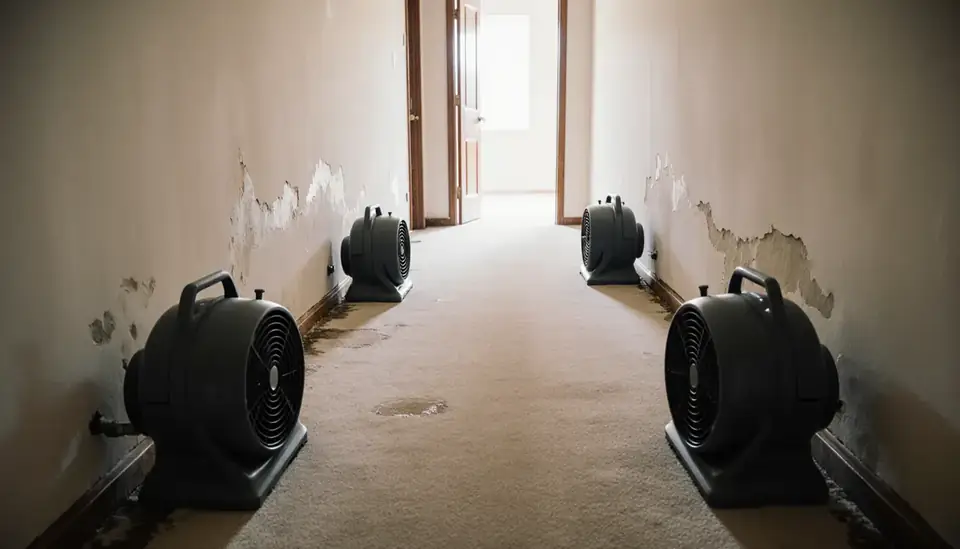
Most damage in town homes comes from rain flooding, roof leaks after storms, and plumbing failures. Once standing water is gone, the job is about getting materials dry before they deteriorate. A provider handling flood cleanup will typically remove wet carpet and pad, cut drywall above the water line, clean and disinfect what remains, and run dehumidifiers and air movers with daily moisture readings.
Homes on piers need a look underneath, where insulation, ductwork and subfloor can stay wet even if the living space looks fine. Manufactured homes often need belly insulation and particleboard flooring replaced rather than dried.
Mold Where Pine Uplands Meet the Manchac Wetlands
With wetlands on one side and long, humid summers, Ponchatoula buildings rarely dry well on their own once they are soaked. Mold can follow within days in walls, cabinets and under flooring. Watch for musty odors, staining at the base of walls and swelling baseboards. When growth is found, removing affected drywall and insulation with containment, then drying the framing, works better than surface sprays. Mold remediation should be done before walls are closed back up.
Elevation Certificates and Parish Flood Rules
Tangipahoa Parish requires elevation certificates for new development and takes part in the Community Rating System, which can lower flood insurance premiums for buildings in mapped high-risk areas. The parish recommends getting an updated elevation certificate from a surveyor when flood maps change, since it can affect what you pay.
Homeowners insurance does not cover rising floodwater, so a separate flood policy is the only protection against another 2016-style event. For alerts and storm information, residents can sign up through the Tangipahoa Parish emergency preparedness office. Hammond, just to the north, relies on the same parish office.
Where Callers in the Ponchatoula Area Are
Calls come in from across Ponchatoula, including:
- Ponchatoula Commercial Historic District
The same line also serves nearby communities such as:
- Hammond
- Independence
- Amite City
- Roseland
Questions From Ponchatoula Property Owners
My shop's inventory got wet. Should I wait for the adjuster before moving anything?
No. You are generally expected to protect property from further damage. Photograph the scene and each damaged piece first, then move wet items away from standing water and dry items to a safe area. Keep a list of what was damaged. Waiting days for an inspection usually makes the loss worse, especially with furniture, textiles and paper.
Does Ponchatoula flood from Lake Pontchartrain?
The town itself sits around 26 feet above sea level, and its recorded flooding has mostly come from heavy rain and high rivers, as in March and August 2016. The swamp and marsh south of town toward Manchac is much lower. If you live or own property toward the south end of the parish, check the FEMA flood map and your elevation certificate.
How long will drying take after a rain flood?
It depends on depth, how long water stood and what got wet. Many homes need several days of dehumidification after wet drywall, insulation and flooring are removed. A provider should measure moisture daily and stop only when framing and subfloor read dry. Older buildings with plaster or heavy timber can take longer.