
Squeezed between the Mississippi River and a line of barriers that separate it from Metairie, the East Bank community of Jefferson is a compact place with a lot going on. A drainage canal, railroad tracks and the Earhart Expressway form its northern edge, while the river and its levee form the southern one, with Bridge City across the water. The ground averages only about 3 feet above sea level, and Ochsner Medical Center anchors a neighborhood mix of long-named communities like Hoeyville, Southport and Shrewsbury and 20th-century subdivisions such as Jefferson Heights, Rio Vista, Azalea Gardens and Camellia Gardens.
The Restoration Job is a free phone service that connects callers with independent restoration providers. Call (888) 317-9980 any time and we'll put you in touch with a provider that covers Jefferson and the surrounding parish for extraction, drying, storm repairs and mold cleanup.
How the call works: when you call (888) 317-9980, The Restoration Job connects you with an independent restoration provider that serves Jefferson. That provider inspects the damage, explains the scope and quotes the work. The Restoration Job doesn't perform restoration itself. Read our referral disclosure.
Three Feet Above Sea Level, Between Levee and Canal
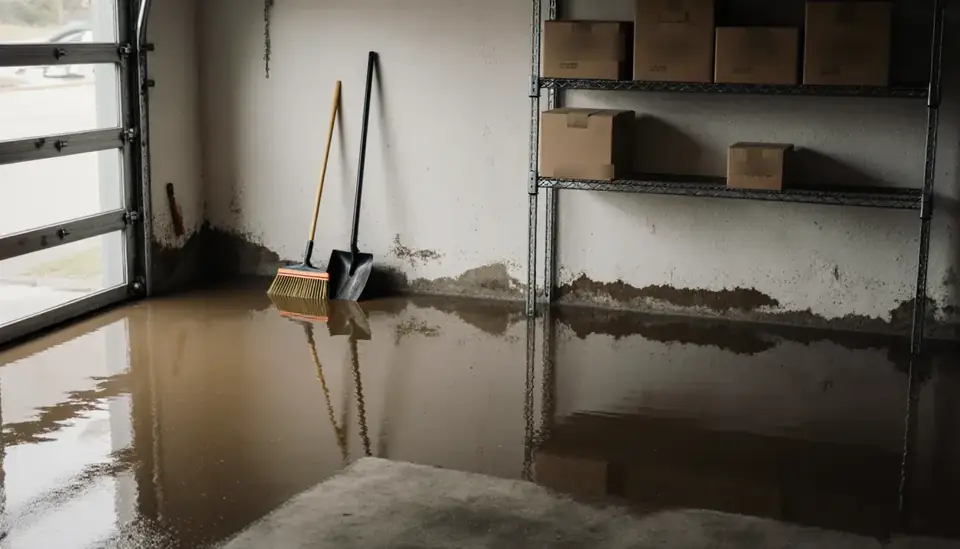
Low, flat ground hemmed in by a river levee and a drainage canal means rainwater has few places to go except into the drainage network. When rain falls faster than the system can carry it, water ponds on streets and in yards, and homes with floors close to grade can take it inside. The May 1995 flood shows how quickly that happens: more than 24 inches fell at a gauge in nearby New Orleans, and 14,600 homes and apartments flooded across the parish.
Hurricane Francine repeated the pattern on a smaller scale in 2024, dropping 6 to 9 inches of rain across Jefferson Parish according to the National Weather Service. Rain-driven events like these, rather than river or lake overtopping, are what most often send residents looking for flood cleanup.
When the Pumps Stopped: Katrina on the East Bank
The 2005 storm is remembered on this side of the parish for a decision about pumps. Officials deactivated the stormwater pumping systems and evacuated the operators, who could not return until the morning of August 31. Widespread flooding followed on the East Bank. The West Bank, by contrast, saw little to no flooding.
That history is a reminder that even neighborhoods protected by levees rely on mechanical drainage to stay dry. If a big storm is forecast, move valuables and electronics off the floor, clear the storm drain in front of your house, and know where your main water valve and breaker panel are.

Riverfront Storms and Wind-Driven Rain
Wind does much of the damage in a typical hurricane season here. Hurricane Ida in 2021 came ashore near Port Fourchon, and a transmission tower near Avondale, just upriver on the opposite bank, collapsed and pulled eight major transmission lines into the river. Power went out across New Orleans and much of the parish. A year earlier, Hurricane Zeta brought a 71 mph gust to the New Orleans airport and downed trees and power lines across the region.
After storms like these, water damage usually starts at the roof:
- Lifted or missing shingles and torn flashing let rain into attics and down interior walls.
- Fallen limbs puncture roofs and break windows, letting rain blow in for days.
- Wet attic insulation holds water against ceiling drywall until it sags.
Tarping quickly and getting storm damage cleanup started can keep a roof leak from turning into a ceiling and flooring job.
Muggy Summers and Mold Behind the Baseboards
Greater New Orleans averages about 62.5 inches of rain a year, and summer dewpoints sit in the low 70s. Without air conditioning or dehumidifiers running, a wet room in July can feel damp for weeks. Mold tends to appear first behind baseboards, under sinks, on the back side of drywall, and on carpet pad.
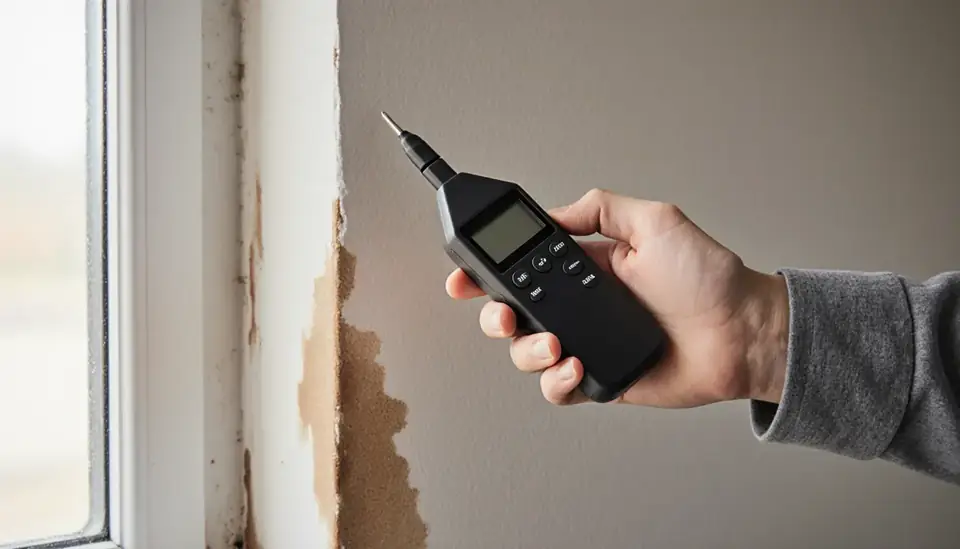
Professional drying typically means removing materials that cannot be saved, setting up air movers and dehumidifiers, and checking moisture levels daily until framing and subfloor read dry. If growth is already visible and widespread, containment and HEPA filtration help keep it from spreading into dry parts of the house. A musty smell weeks after a leak is worth a moisture check.
Claims, Records and Parish Contacts
Homeowners policies cover many sudden water losses, such as a burst pipe or a wind-damaged roof leak, but rising floodwater requires a separate flood policy. Photograph damage before cleanup, keep a written list of discarded items, and hold on to invoices for emergency work. Check your address on the FEMA flood map so you know your designated zone.
As an unincorporated community, this area relies on parish government for drainage, permits and emergency management. Sign up for JPAlert notifications, and contact Jefferson Parish Emergency Management for storm guidance. Neighboring Harahan and Metairie share the same drainage challenges.
Neighborhoods and Nearby Communities
Calls come in from across Jefferson, including:
- Hoeyville
- New Carrollton
- Southport
- Shrewsbury
- Jefferson Heights
- Rio Vista
- Azalea Gardens
- Camellia Gardens
The same line also serves nearby communities such as:
- Metairie
- Harahan
- Elmwood
- New Orleans
- Bridge City
- River Ridge
Common Questions
Is this area inside the levee system?
Yes. It sits on the East Bank behind the Mississippi River levee, and the parish drainage system pumps out rainwater. The main flood risk comes from intense rain that exceeds drainage capacity, as in the May 1995 flood, rather than from river overtopping. Low streets and homes with floors near ground level are most exposed during those events, so flood insurance remains worth considering.
What should I do if my home loses power and has water damage after a storm?
Make sure the area is safe, then remove soaked carpet, pad and soft furnishings so they do not keep the room wet. Open cabinets and closets to let air move. Run any generator outside, well away from windows and doors, because carbon monoxide deaths followed Hurricane Ida in the parish. Professional drying can start as soon as power or a generator can run the equipment.
Are older houses near the river harder to dry?
They can be. Older homes may have plaster walls, wood floors laid over subfloor, or raised foundations with crawl spaces, and each holds moisture differently from modern drywall on a slab. A provider should take moisture readings in floors, walls and framing and explain what can be dried in place and what must be removed before work begins.