
Tucked against the parish line just below the Lower Ninth Ward, Arabi covers only about two square miles on the east bank of the Mississippi. It is one of the older settlements in the parish: it appears on an 1851 map as Jacksonburgh, later went by Stockyard Landing, and moved from Orleans Parish to St. Bernard in 1875. Much of it was designated a historic district in the 1970s. Land here averages around three feet above sea level, with the higher ground along the river.
The Restoration Job is a free call-connection service; it does not employ crews. Call (888) 317-9980 around the clock and we'll connect you with an independent provider serving Arabi for roof-leak water removal, drying, storm damage cleanup and repairs.
How the call works: when you call (888) 317-9980, The Restoration Job connects you with an independent restoration provider that serves Arabi. That provider inspects the damage, explains the scope and quotes the work. The Restoration Job doesn't perform restoration itself. Read our referral disclosure.
Two Tornadoes in One Year: 2022 on Friscoville Avenue
Arabi's most recent disasters came from wind, not water. Just after 7:30 p.m. on March 22, 2022, an EF3 tornado tore along Friscoville Avenue, St. Bernard Highway and Judge Perez Drive, destroying homes, a brewery and a church, damaging Arabi Elementary, killing one person and leaving the area without power for days. On December 14 of the same year, an EF2 tornado hit again, injuring six people and destroying the same brewery a second time.
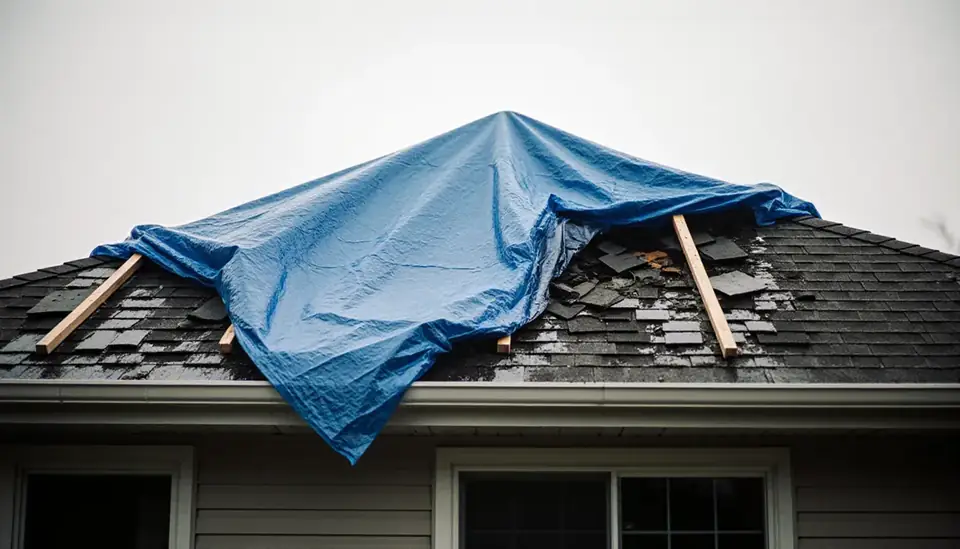
Tornado damage turns into water damage fast. Roofs lose decking, windows break, and rain follows within hours. Once everyone is safe, tarping open roofs and boarding windows is the first priority, followed by removing wet insulation and ceiling drywall before mold starts.
Betsy and Katrina Next to the Lower Ninth Ward
Sharing a border with the Lower Ninth Ward has twice proved costly. When Hurricane Betsy struck on September 9, 1965, surge overtopped the levees and flooded most of the community except the high ground near the river; water rose six to eight feet between 4 and 6 a.m., and residents left in private fishing boats. In 2005, Katrina put more than 20 feet of water over some areas. Around Arabi Park, the surge pushed houses off their foundations, and people once again used their own boats to reach the river levee.
The population dropped from about 8,100 in 2000 to 3,600 in 2010 and was back to roughly 4,500 at the 2020 census.
Older Houses Near the River: Drying Without Overdemolishing
Much of the community lies in a historic district, and its older homes were built with materials that behave differently from modern ones. When those houses get wet from a roof leak or plumbing failure, the approach matters:
- Plaster and old lumber often dry well in place with controlled dehumidification, so ask what can be saved before walls come down.
- Raised floors need the space underneath dried as well, including sills and joists.
- Hardwood floors may cup at first and flatten as they dry slowly; rushing replacement can waste a salvageable floor.
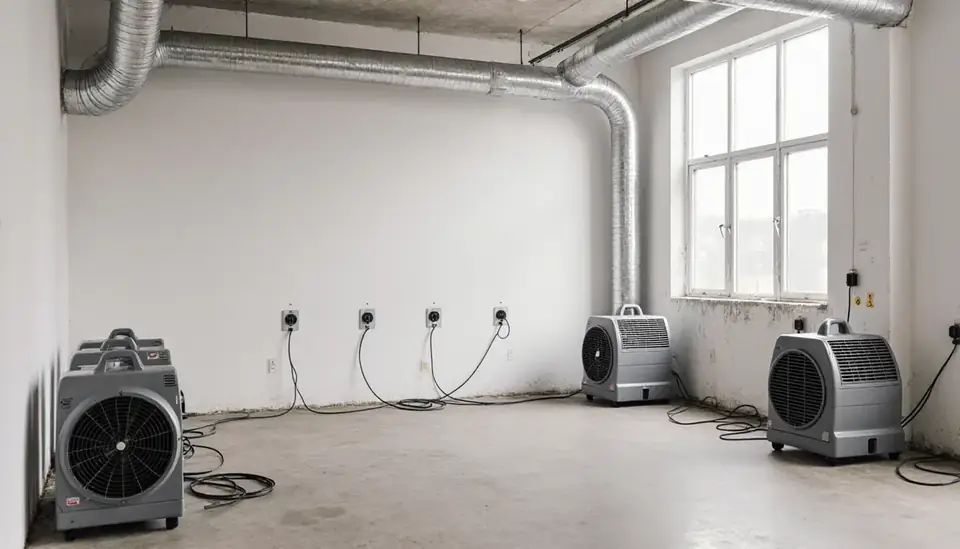
A good provider documents moisture readings daily so you and your insurer can see the drying progress. More on that stage is on our structural drying page.
Musty Rooms After a Storm Outage
After the 2022 tornadoes, many homes sat without power for days. A closed house with wet ceilings and no air conditioning in south Louisiana's humidity can start growing mold quickly. The usual first signs are a sour, musty smell, dark speckling on drywall, or stains on ceiling tiles and the backs of closet walls.
Getting air moving and dehumidifiers running as soon as power returns, or with a safely placed generator outdoors, makes a large difference. Small surface patches on hard surfaces can be cleaned; widespread growth, or growth inside walls, calls for containment and professional removal.

Paperwork That Speeds Up a Claim
Wind and water damage are often split across different policies, and adjusters will want clear records. Before cleanup starts, photograph roof damage from the ground, every wet ceiling and wall, and the outside of the house. Keep damaged materials or samples until the adjuster has seen them, unless they pose a health risk.
Rising floodwater requires a separate flood policy, while wind-driven rain through a damaged roof usually falls under homeowners coverage. Your flood zone, and the elevation that affects premiums, can be found on FEMA's Flood Map Service Center. Neighbors in Chalmette face many of the same questions.
Areas In and Around Arabi
Calls come in from across Arabi, including:
- Friscoville
- Arabi Park
The same line also serves nearby communities such as:
Arabi Water Damage Questions
After the Arabi tornadoes, what should be done first to stop water damage?
Make sure everyone is safe and gas and power are shut off if lines are damaged. Then cover roof openings and broken windows with tarps or boards to stop rain getting in. Remove soaked insulation and sagging ceiling drywall promptly, and start drying with fans and dehumidifiers as soon as you have safe power.
Can plaster walls in an older Arabi house be dried instead of torn out?
Often, yes, if the water was clean and drying starts within a day or two. Plaster tolerates wetting better than drywall. A provider will measure moisture, dry the wall with dehumidifiers and air movement, and remove sections only where they are damaged, contaminated or hiding wet cavities that cannot otherwise dry.
Does homeowners insurance cover rain that came in through a tornado-damaged roof?
Usually it falls under homeowners coverage, since the wind created the opening. Rising water from outside is different and needs a flood policy. Document the roof damage and interior wetting with dated photos, and take reasonable steps such as tarping to prevent further damage, since policies typically expect that.