
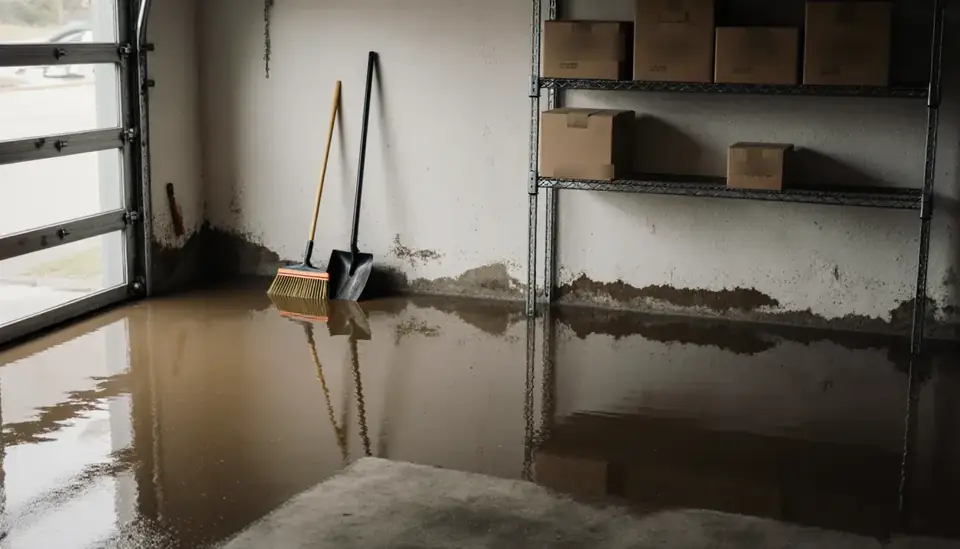
Luling is the largest community in St. Charles Parish and sits on the Mississippi's west bank, across the Hale Boggs bridge from Destrehan. Its recorded elevation is about seven feet above sea level. South of town the land gives way to the wetlands of the Barataria Basin, toward Lake Cataouatche and Lac des Allemands and the ground stays flat and low the whole way.
The Restoration Job does no restoration work itself and charges callers nothing. Dial (888) 317-9980 and we'll link you with an independent provider that covers Luling and the rest of the west bank for water damage restoration, extraction, drying and storm repairs.
How the call works: when you call (888) 317-9980, The Restoration Job connects you with an independent restoration provider that serves Luling. That provider inspects the damage, explains the scope and quotes the work. The Restoration Job doesn't perform restoration itself. Read our referral disclosure.
West Bank Rain Events: Francine and Fast Downpours
Hurricane Francine came ashore in Terrebonne Parish on September 11, 2024, as a Category 2 storm. The National Weather Service office in New Orleans recorded 7 to 9 inches of rain across St. Charles Parish, much of it in just a couple of hours, and more than 350 homes and businesses in the parish flooded. Fallen trees and power lines blocked roads across the parish.
That pattern, a short burst of very heavy rain, is what floods most Luling homes. When drainage falls behind, water collects in yards and streets and can creep under doors and into garages. Sewer lines can back up into tubs and floor drains during the same storm, which is a different, dirtier kind of cleanup.
Ida's Roof Damage and the Second Round of Water
Hurricane Ida hit St. Charles Parish on August 29, 2021. The parish president said afterward that nearly every structure in the parish had some damage, from cosmetic to total collapse. For many households in Luling the water came from above: torn shingles, lifted decking and broken windows let rain in during the storm and again in the days after.
Wet attic insulation holds water against ceiling drywall, which then sags or falls. If a ceiling is bulging, keep people out of the room and puncture a small hole into a bucket only if it can be done safely. A tarp over the roof opening, followed by drying of the attic and walls below, prevents a repaired roof from sitting on top of hidden rot.
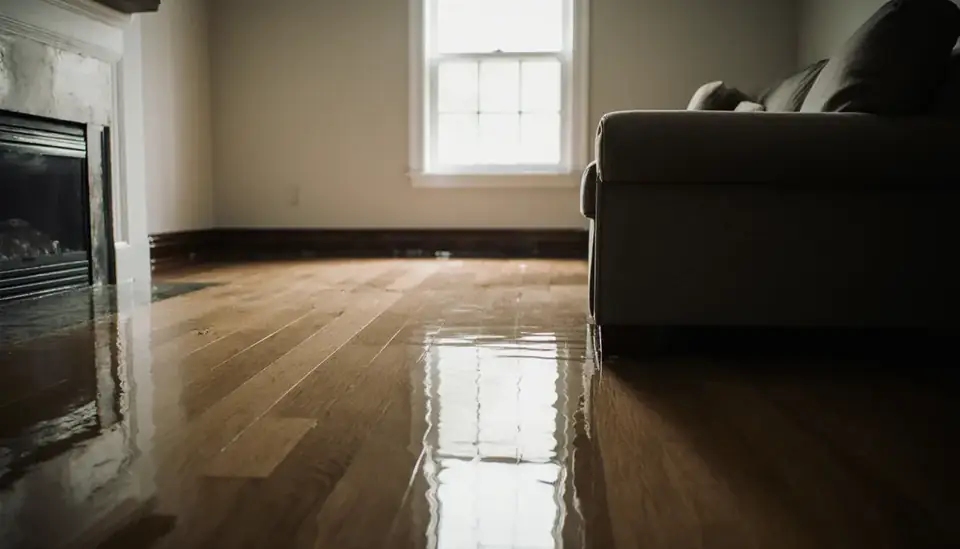
What a Restoration Crew Does on a West Bank Job
- Finds and stops the source, whether it's roof, plumbing, rising water or a sewer backup.
- Extracts standing water from floors and carpet.
- Removes materials that can't be dried, such as soaked insulation, carpet pad and drywall touched by floodwater.
- Sets dehumidifiers and air movers, then checks moisture readings until the framing and subfloor are dry.
- Documents everything with photos and readings for your insurer.
For backups involving sewage, ask specifically about sewage cleanup procedures, since contaminated water calls for more removal and disinfection than a clean supply-line leak.
Humidity, Outages and Mold Along the River
Luling's location between the river and the Barataria wetlands means damp air most of the year. After Ida, long power outages left homes shut tight in late-summer heat with no air conditioning to pull moisture out. Under those conditions mold can start on drywall, baseboards and the undersides of furniture within a few days.
Fast removal of wet materials and steady dehumidification matter more than any spray product. If mold has already spread across more than a small patch, ask for containment so spores aren't spread to dry rooms during cleanup.

Insurance and Flood Maps for St. Charles West Bank Homes
Homeowners insurance generally covers rain coming through a storm-damaged roof but excludes rising water from outside, which needs a separate flood policy. Look up your address on the FEMA Flood Map Service Center to see your zone, and keep the parish's flood information on hand when you talk to an adjuster. If repairs will be extensive, check with the parish permit office about substantial damage rules before you rebuild.
Neighbors in Hahnville, Boutte and Ama often deal with the same storms, and residents across the river in Destrehan face a different mix because the east bank also borders Lake Pontchartrain.
Neighborhoods and Nearby Communities
The same line also serves nearby communities such as:
- Hahnville
- Boutte
- Ama
- Paradis
- Des Allemands
- Destrehan
Frequently Asked Questions
Does the Davis Pond diversion near Luling cause flooding?
Davis Pond is a Corps of Engineers structure on the west bank that has diverted Mississippi River water into the Barataria Basin since 2002 to fight saltwater intrusion and land loss. It is a controlled, gated culvert, not a flood source for neighborhoods. Most home flooding in Luling comes from heavy rainfall overwhelming drainage or from storm damage to roofs.
Is a sewer backup during a storm covered?
It depends on your policy. Many homeowners policies exclude sewer or drain backup unless you added a specific endorsement, and flood insurance treats it differently depending on whether outside floodwater caused it. Read your policy, photograph the damage, and avoid touching contaminated water. A restoration provider can document the source for your claim.
How long does drying usually take after a roof leak?
Every job is different. A small ceiling leak caught early may dry in a few days, while saturated insulation and wall cavities take longer. In Luling's humid climate, drying equipment usually needs to run until moisture readings in framing match unaffected areas, not just until surfaces feel dry. Ask the provider to share daily readings.
Can I reach someone at night after a storm?
Yes. Our referral line at (888) 317-9980 is answered 24/7, and many independent providers serving the west bank of St. Charles Parish offer emergency service. Response times depend on the provider and on road and storm conditions, especially after an event like Ida when demand is heavy across the region.