
Minden, the Webster Parish seat, sits on rolling ground about 270 feet above sea level, 28 miles east of Shreveport. It is one of the oldest towns in this corner of the state, founded in 1836, and much of its older housing surrounds a downtown and residential core that is listed on the National Register of Historic Places. The town also gets more rain than its western neighbors, close to 58 inches in an average year, and holds the state's all-time cold record of 16 below zero, set on February 13, 1899.
Those three facts, old buildings, plenty of rain and occasional severe cold, shape most water damage calls here. The Restoration Job is a free referral service: call (888) 317-9980 any time and we'll connect you with an independent provider of water damage restoration serving Minden and Webster Parish.
How the call works: when you call (888) 317-9980, The Restoration Job connects you with an independent restoration provider that serves Minden. That provider inspects the damage, explains the scope and quotes the work. The Restoration Job doesn't perform restoration itself. Read our referral disclosure.
Eighteen Inches in Five Days: Minden in March 2016
When a slow-moving storm system parked over northwest Louisiana from March 8 to 12, 2016, the National Weather Service recorded 18.03 inches of rain at Minden. Lakes across the region rose, Lake Bistineau among them, roads closed and rescuers pulled people from high water. Totals that large, falling on hilly ground, send runoff racing down ditches and small drainages into low streets and yards.
Hilly terrain can give a false sense of security. A home on a slope may stay above floodwater but still take water through a lower-level room, a crawl space vent or a foundation crack on the uphill side. After a storm like that, check crawl spaces and low rooms even if the yard drained quickly.
Historic Houses Around Broadway and Academy Park
The Minden Historic District, listed in 1992, covers blocks along Broadway, East and West Streets and Lewisville Road around Academy Park, and the Downtown Minden Historic District followed in 1996. Homes and commercial buildings in these areas often have pier-and-beam foundations, old-growth pine framing, plaster walls and plumbing that has been updated piecemeal. Upper-floor leaks in two-story downtown buildings can travel through ceiling cavities and show up a floor or two below.
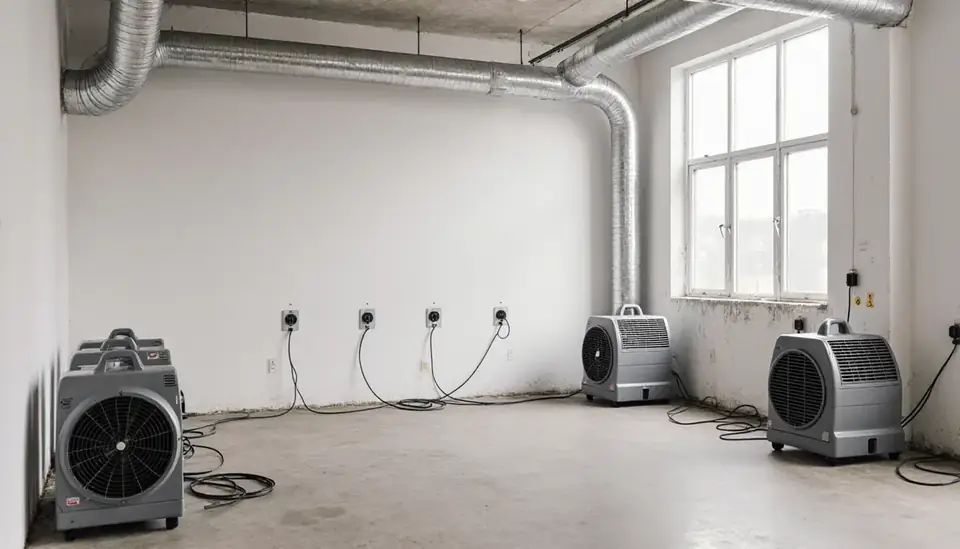
In older structures, the goal is to dry original materials where it makes sense instead of stripping them. Plaster, for example, often dries well with steady airflow and dehumidification, while drywall patches from later remodels may need to come out. Ask a provider to explain which materials are being kept and why. Careful structural drying of floor framing and subfloors from the crawl space is often the part that matters most.
Cold Snaps and Burst Lines in Webster Parish
Severe cold is not common in Minden, which makes it more damaging when it arrives. In February 2021, an Arctic outbreak brought snow and ice to the region and sent Shreveport to 1 degree, and the National Weather Service reported widespread water main breaks and pipe bursts across northwest Louisiana. Older homes with plumbing in uninsulated crawl spaces and exterior walls are the most exposed.
- Find the main water valve now and test that it closes fully.
- Insulate exposed pipes under the house and close crawl space vents during hard freezes.
- Let faucets on exterior walls drip on the coldest nights.
- When temperatures rise, walk the house and look under it for drips as lines thaw.
Wind History and Roof Leaks
Minden has a long memory of wind damage. On May 1, 1933, a tornado destroyed about a fifth of the town's homes. Modern storms are more likely to strip shingles and drop limbs than to level neighborhoods, but heavy tree cover in older parts of town means falling branches are a frequent cause of roof punctures. Once the roof is open, attic insulation soaks up rain and drags down ceilings. Get the opening covered quickly and have ceiling cavities checked for trapped water.
Mold After Leaks in a Wet Climate
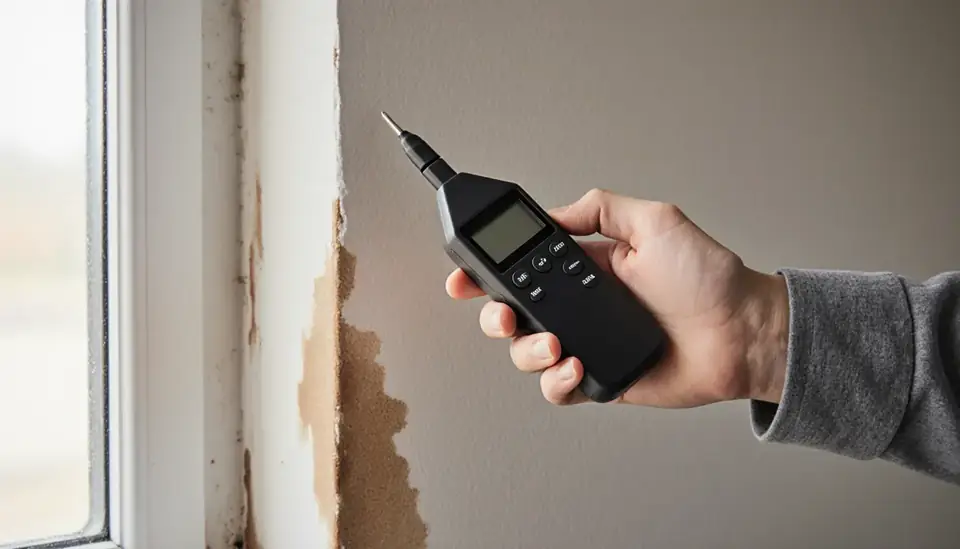
With nearly 58 inches of rain a year and humid summers, Minden homes do not get much natural help drying out. Crawl spaces in particular stay damp, and once a leak adds water under the house, mold can take hold on joists and the underside of subflooring. Signs include a musty smell coming up through floor registers or wood that feels soft. Professional mold work involves containing the area, removing or cleaning affected material and lowering crawl space moisture so the problem does not come back.
Areas In and Around Minden
Calls come in from across Minden, including:
- Minden Historic District
- Downtown Minden
The same line also serves nearby communities such as:
- Dixie Inn
- Sibley
- Doyline
- Springhill
- Haughton
Minden Water Damage Questions
Do repairs to a house in Minden's historic district need special approval?
National Register listing by itself usually does not restrict what a private owner does with a house, but local rules or programs tied to the downtown district may apply, especially for exterior changes or commercial buildings. Before replacing original windows, siding or storefronts after water damage, check with the City of Minden. Interior drying and repairs generally proceed normally.
Water got into my crawl space during a heavy rain. Is that a problem?
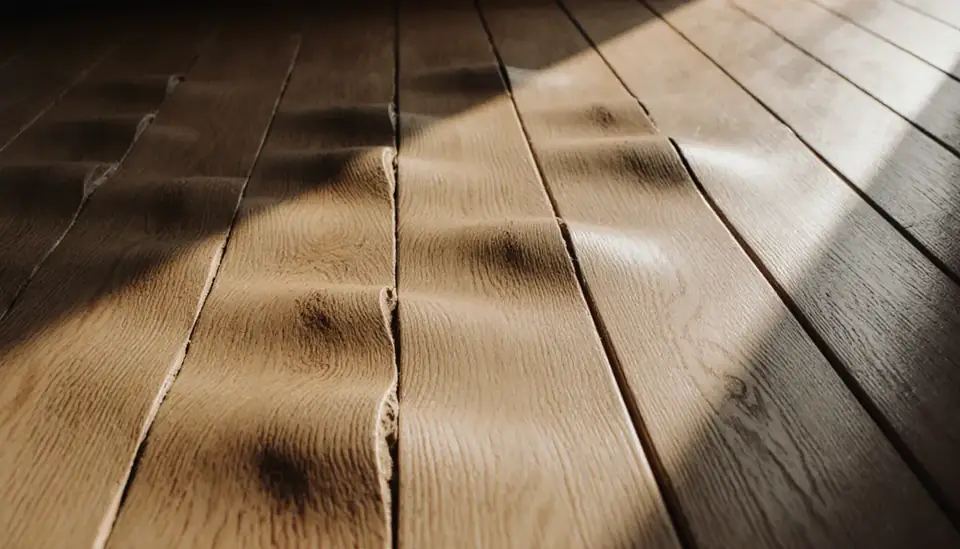
It can be. Standing water under a pier-and-beam house raises humidity in the floor system and the living space above, which encourages mold and can cup wood floors. If water is still pooled under the house a day after the rain stops, it may need to be pumped out and the area dried with dehumidification. Long term, grading, gutters or a vapor barrier may help keep it from returning.
Does homeowners insurance cover damage from heavy rain in Minden?
It depends on how the water got in. Rain entering through a storm-damaged roof is often treated differently from surface water that flows into the house from outside, which is usually considered flood and requires a separate flood policy. Read your policy's water and flood exclusions, document everything with photos, and ask your insurer how the claim will be classified before tossing damaged items.