
St. Rose is a small east bank community about two miles upriver from the Jefferson Parish line, home to roughly 7,500 people at the 2020 census. Its history runs deep for its size: a LaBranche Plantation dependency house from 1792 still stands, and in 1880 Palmer Elkins founded Elkinsville, also called Freetown, for freedmen. About 1.1 of its 7.5 square miles is water, a sign of how close the marsh toward Lake Pontchartrain comes.
The Restoration Job is a no-charge phone referral service for St. Charles Parish residents. Call (888) 317-9980 at any hour and we'll connect you with an independent provider serving St. Rose for water extraction, drying, mold work and storm repairs.
How the call works: when you call (888) 317-9980, The Restoration Job connects you with an independent restoration provider that serves St. Rose. That provider inspects the damage, explains the scope and quotes the work. The Restoration Job doesn't perform restoration itself. Read our referral disclosure.
Short, Intense Rain Is the Usual Culprit
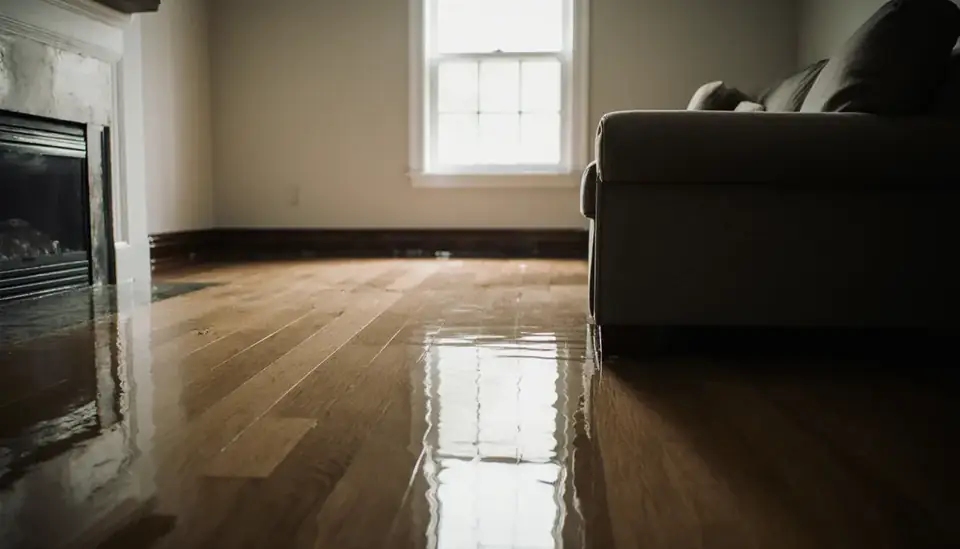
Most water that gets into St. Rose homes arrives with a heavy rain rather than a surge. Hurricane Francine on September 11, 2024, dropped 7 to 9 inches across St. Charles Parish according to the National Weather Service, much of it within a couple of hours. Over 350 homes and businesses in the parish flooded. The same storm brought 6 to 9 inches to neighboring Jefferson Parish.
On flat ground at about ten feet above sea level, that kind of rainfall can outpace drainage. Water pools in yards, rises in streets and finds its way under doors. Low-lying slab homes and garages tend to take water first.
When the Sewer Backs Up Into the House
Heavy storms load sewer lines as well as storm drains. If wastewater rises out of a floor drain, tub or toilet, treat it as contaminated: keep children and pets away, avoid touching it, and don't run fans that spread odors and aerosols through the house before cleanup begins.
A provider handling sewage cleanup will extract the water, remove porous materials it reached, such as carpet, pad and lower drywall, then clean and disinfect hard surfaces before drying. Check whether your homeowners policy has a water backup endorsement; many don't cover it by default.
Storm Season in St. Charles Parish
Ida struck on August 29, 2021, and the parish president said nearly every structure in St. Charles had some level of damage. The east bank levee, completed in 2007, protects most of the east bank against surge, but it does nothing about wind, and the storm damaged buildings on both sides of the river. Rain coming in through those openings kept damaging ceilings and walls for days.
- Tarp damaged roof sections as soon as it is safe.
- Pull down saturated ceiling insulation; it holds water against drywall.
- Keep photos of the roof, attic and every affected room for your claim.
- Run a generator outdoors only, well away from doors and windows.
Damp Air on the East Bank and Early Mold
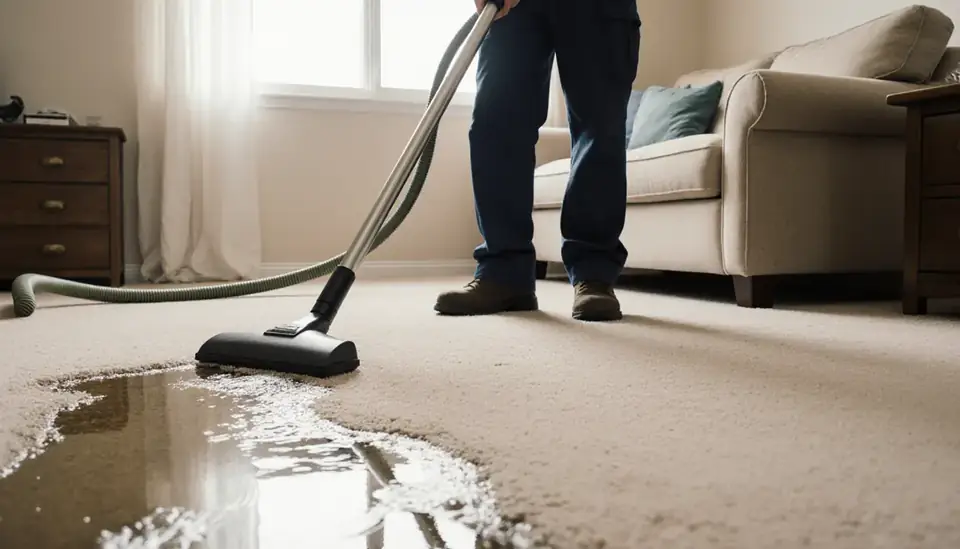
South Louisiana's humidity means wet materials don't dry on their own. Once drywall, carpet pad or cabinet backs stay damp for more than a day or two, especially in a house without power, mold can start to grow. Removing what can't be saved and running dehumidifiers continuously is the most reliable way to stop it.
Small spots on hard surfaces can be cleaned. Widespread growth, or mold inside walls, is a job for a remediation provider using containment.
Rentals and River Road Businesses: Sorting Out Responsibility
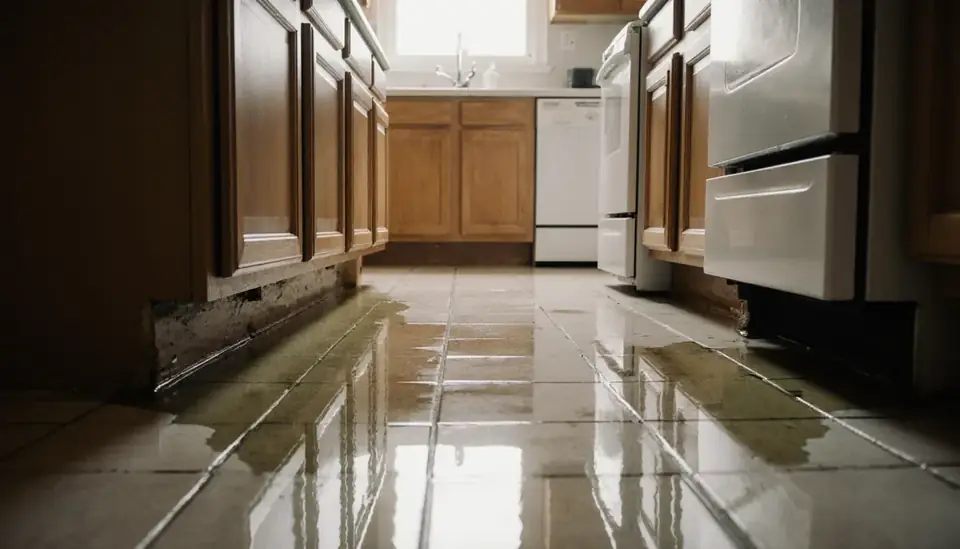
Not every St. Rose resident owns the building they live in. If you rent, report water damage to your landlord in writing right away, with photos. The owner's policy typically covers the structure, while your own renters policy, if you have one, covers your belongings. Flood damage from rising water needs flood coverage for either.
For businesses along the river road, document lost inventory and equipment separately from building damage, and ask the provider for drying records you can share with both your insurer and landlord.
Neighborhoods and Nearby Communities
The same line also serves nearby communities such as:
Frequently Asked Questions
Is St. Rose inside the hurricane levee?
St. Charles Parish completed its East Bank Hurricane Protection Levee in 2007, protecting most of the east bank, which includes St. Rose. Levees lower surge risk, but they don't stop rain flooding or roof damage. Check your property on the FEMA Flood Map Service Center to see its zone and decide on flood coverage.
Who pays when water from a neighbor's unit or the building damages my apartment?
Usually the building owner's insurance covers the structure, and your renters policy covers your belongings. Report the leak to the landlord in writing immediately and photograph everything. Responsibility can depend on the lease and what caused the leak, so keep records of when you reported it and what you were told.
How fast should I start drying after a storm?
As soon as it is safe. In St. Rose's humid climate, wet drywall and carpet pad can start growing mold within a couple of days. Remove standing water, move wet belongings out, and get dehumidifiers running. Our 24/7 line can connect you with an independent provider; availability depends on storm conditions.